i'e | Rights management: Linden-Museum Stuttgart
Attribution - NonCommercial - NoDerivs 4.0 International
Full screen
Initial display
Zoom in
Zoom out
Previous image
Next image
Downloads the object
i'e | Rights management: Linden-Museum Stuttgart
Attribution - NonCommercial - NoDerivs 4.0 International
Full screen
Initial display
Zoom in
Zoom out
Previous image
Next image
Downloads the object
i'e | Rights management: Linden-Museum Stuttgart
Attribution - NonCommercial - NoDerivs 4.0 International
Full screen
Initial display
Zoom in
Zoom out
Previous image
Next image
Downloads the object
i'e | Rights management: Linden-Museum Stuttgart
Attribution - NonCommercial - NoDerivs 4.0 International
Full screen
Initial display
Zoom in
Zoom out
Previous image
Next image
Downloads the object
i'e | Rights management: Linden-Museum Stuttgart
Attribution - NonCommercial - NoDerivs 4.0 International
Full screen
Initial display
Zoom in
Zoom out
Previous image
Next image
Downloads the object
i'e

Information about the language not available
Tapa tapper


The beaters are used to soften strips of watered bark bast on an anvil made of wood or stone. The strips are then joined in several processing steps to form large pieces of cloth. Text: Ulrich Menter
- Data Provider
- Linden-Museum Stuttgart Staatliches Museum für Völkerkunde Show original at data provider
Cataloguing data
- Object type
- Tapa tapper
- Dimensions
-
Length: 38 cm
Width: 3.5 cm
Height: 4 cm - Material/Technique
-
Wood
- Current location
- Linden-Museum Stuttgart
- Inventory number
- 018717
Provenance and sources
-
Assignment to a curated holding:
-
Production
-
when
-
before 1897
-
-
Change of physical control or legal title
-
where
-
Hawaii
-
-
Change of physical control
-
when
-
1901
-
- Provenance
-
According to
the historical inventory book and acquisition list, the object was
acquired by Augustin Krämer in Hawai'i in 1897. However, the shape and
design of the tapa beater points to Tahiti or the Society Islands as the
tool's place of origin. The exact provenance of the object is currently
unknown. Text: Ulrich Menter
Information about the record
- Legal status metadata
- CC BY-NC-ND 4.0 DEED
Related objects
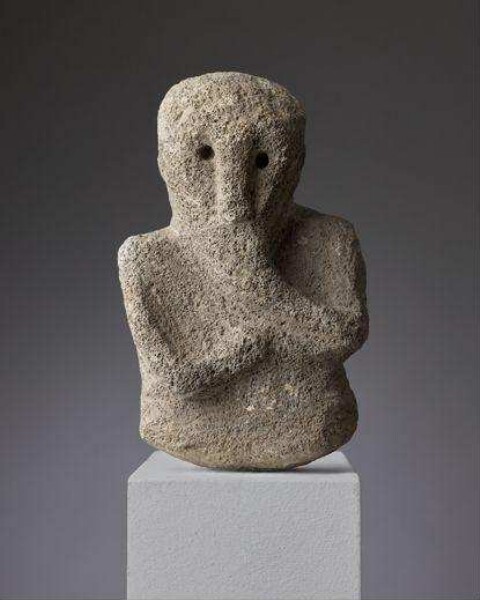

This collection item does not have a name in the language of origin. If you know the name or have comments, use this form to contact the data-providing institution.
Save
kiʻi pōhaku / akua pōhaku
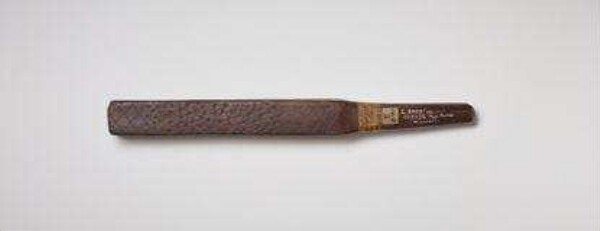
i'e kuku ho‘ōki
Information about the language not available
Save
Tapa tapper
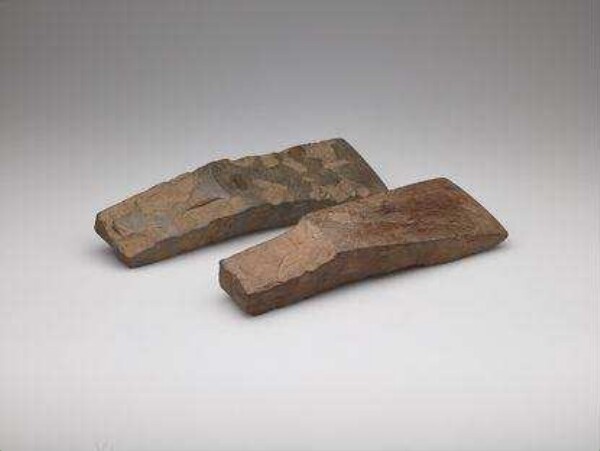
ko'i
Information about the language not available
Save
Dechsel

'i'e
Information about the language not available
Save
Knocker <tool>
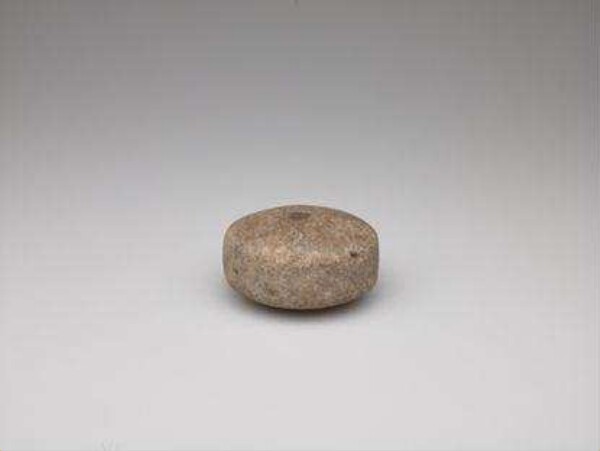
'ulu maika
Information about the language not available
Save
Tile

'ulu maika
Information about the language not available
Save
Tile
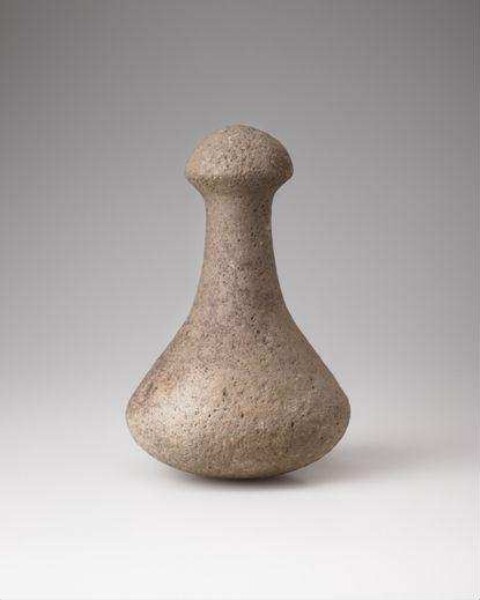
pōhaku kuʻi poi / pōhaku kuʻi ʻai
Information about the language not available
Save
Plunger
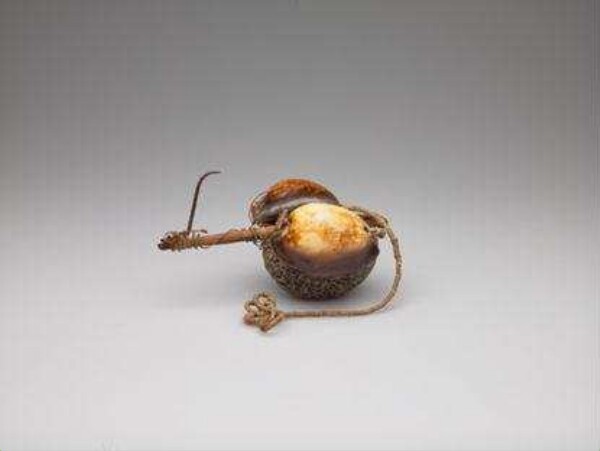
leho he'e
Information about the language not available
Save
Bait
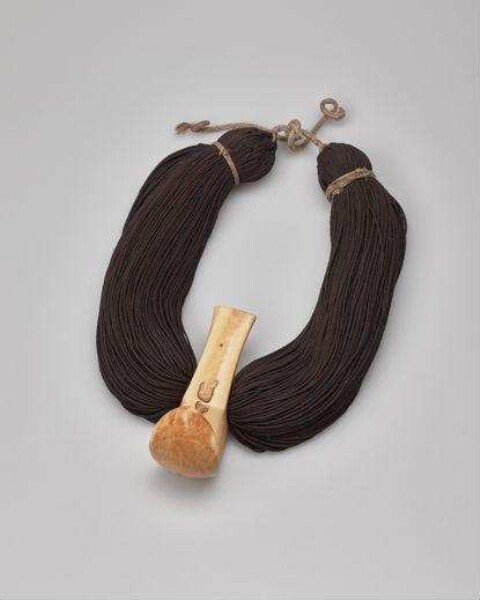
Lei niho palaoa
Language: German
Save
Breast jewellery
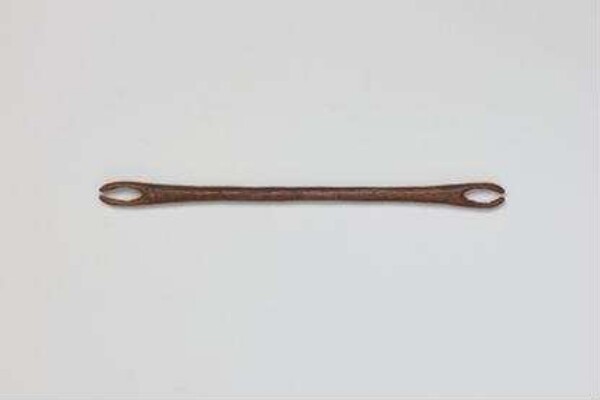
hi'a
Information about the language not available
Save
Needle
This content was machine-translated