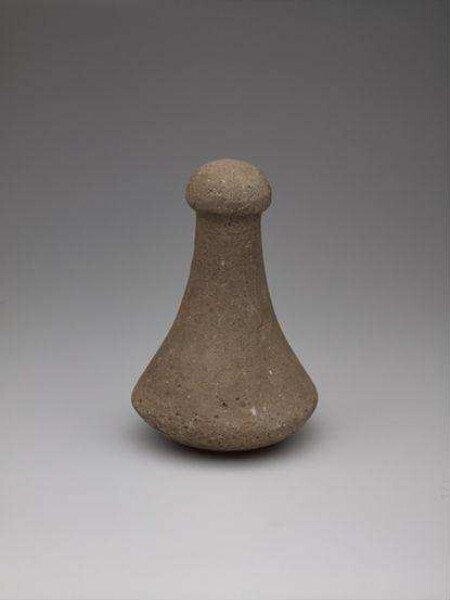
pōhaku kuʻi poi / pōhaku kuʻi ʻai | Rights management: Linden-Museum Stuttgart
Attribution - NonCommercial - NoDerivs 4.0 International
Full screen
Initial display
Zoom in
Zoom out
Previous image
Next image
Downloads the object
pōhaku kuʻi poi / pōhaku kuʻi ʻai | Rights management: Linden-Museum Stuttgart
Attribution - NonCommercial - NoDerivs 4.0 International
Full screen
Initial display
Zoom in
Zoom out
Previous image
Next image
Downloads the object
pōhaku kuʻi poi / pōhaku kuʻi ʻai

Information about the language not available
Plunger


The most important staple food in Hawai'i was poi, a mash made from cooked and then mashed taro or kalo (Colocasia esculenta). For the preparation, a large tamping board was used on which the taro tubers were crushed and ground with stone pestles. [UM]
- Data Provider
- Linden-Museum Stuttgart Staatliches Museum für Völkerkunde Show original at data provider
Cataloguing data
- Object type
-
Plunger
- Dimensions
-
Height: 22 cm
Diameter: 14 cm - Material/Technique
-
Stone
- Current location
- Linden-Museum Stuttgart
- Inventory number
- 087672
Provenance and sources
-
Assignment to a curated holding:
-
Production
-
when
-
19th century or earlier
-
-
Change of physical control or legal title
-
where
-
Hawaii
-
-
Change of physical control
-
when
-
1913
-
- Provenance
-
The object is
part of a collection that the Linden-Museum received from the Royal
Natural History Cabinet in Stuttgart in 1913. Augustin Krämer, who was
the first director of the Linden-Museum from 1911 to 1915, acquired it
during his stay in Hawai'i in 1897. Hawai'i and the Gilbert Islands
(Kiribati) were stopovers on his journey from South America to Sāmoa
(1897-1899). The exact circumstances of the acquisition are not yet
known. [UM]
Information about the record
- Legal status metadata
- CC BY-NC-ND 4.0 DEED
Related objects
ko'i
Information about the language not available
Save
Dechsel


This collection item does not have a name in the language of origin. If you know the name or have comments, use this form to contact the data-providing institution.
Save
Dechsel
This collection item does not have a name in the language of origin. If you know the name or have comments, use this form to contact the data-providing institution.
Save
ʻohe kāpala
This collection item does not have a name in the language of origin. If you know the name or have comments, use this form to contact the data-providing institution.
Save
ʻumeke lāʻau
hi'a
Information about the language not available
Save
Needle
This collection item does not have a name in the language of origin. If you know the name or have comments, use this form to contact the data-providing institution.
Save
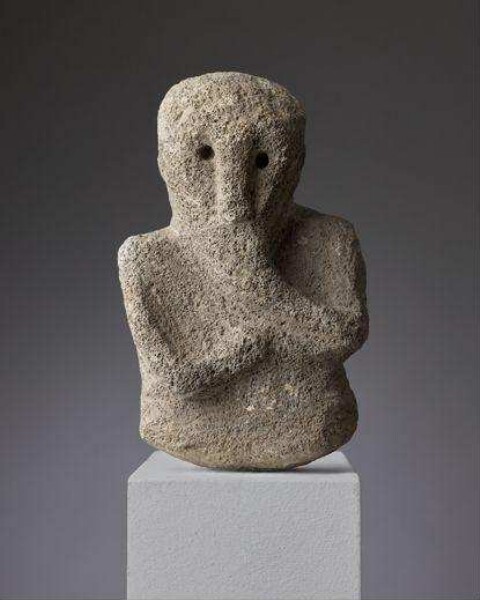
kiʻi pōhaku / akua pōhaku
pōhaku kuʻi poi / pōhaku kuʻi ʻai
Information about the language not available
Save
Plunger
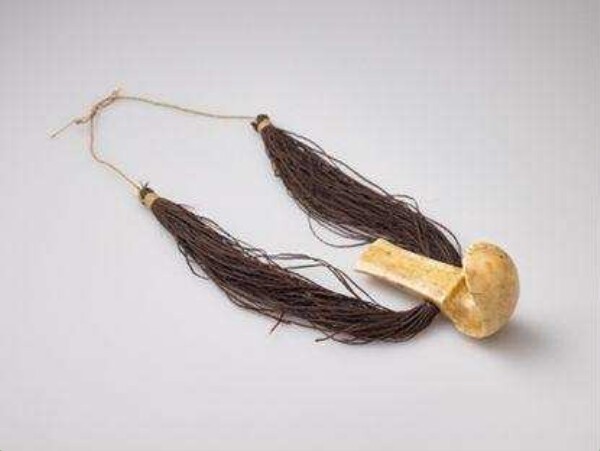
lei niho palaoa
Information about the language not available
Save
Breast jewellery
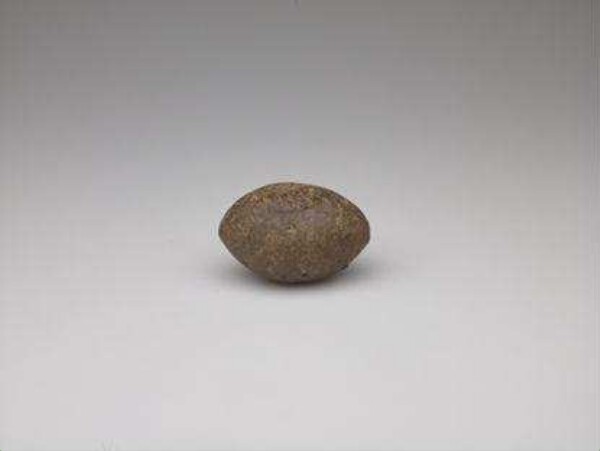
alā o ka maʻa
Information about the language not available
Save
Centrifugal stone
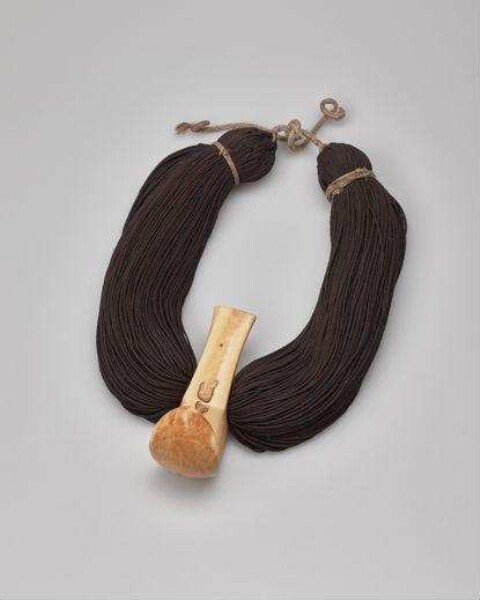
Lei niho palaoa
Language: German
Save
Breast jewellery

lapa
Information about the language not available
Save
Stamp
This content was machine-translated