i'e kuku ho‘ōki | Rights management: Linden-Museum Stuttgart
Attribution - NonCommercial - NoDerivs 4.0 International
Full screen
Initial display
Zoom in
Zoom out
Previous image
Next image
Downloads the object
i'e kuku ho‘ōki | Rights management: Linden-Museum Stuttgart
Attribution - NonCommercial - NoDerivs 4.0 International
Full screen
Initial display
Zoom in
Zoom out
Previous image
Next image
Downloads the object
i'e kuku ho‘ōki | Rights management: Linden-Museum Stuttgart
Attribution - NonCommercial - NoDerivs 4.0 International
Full screen
Initial display
Zoom in
Zoom out
Previous image
Next image
Downloads the object
i'e kuku ho‘ōki | Rights management: Linden-Museum Stuttgart
Attribution - NonCommercial - NoDerivs 4.0 International
Full screen
Initial display
Zoom in
Zoom out
Previous image
Next image
Downloads the object
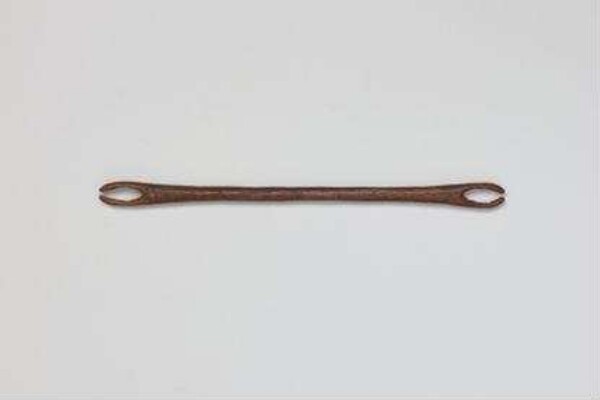
i'e kuku ho‘ōki

Information about the language not available
Tapa tapper


The beaters are used to soften strips of watered bark bast on an anvil made of wood or stone. The strips are then joined in several processing steps to form large pieces of cloth. Text: Ulrich Menter
- Data Provider
- Linden-Museum Stuttgart Staatliches Museum für Völkerkunde Show original at data provider
Cataloguing data
- Object type
- Tapa tapper
- Dimensions
-
Length: 32.2 cm
Width: 3 cm
Height: 3 cm - Material/Technique
-
Wood
carved
- Current location
- Linden-Museum Stuttgart
- Inventory number
- 117336
Provenance and sources
-
Assignment to a curated holding:
-
Production
-
when
-
19th century
-
-
Change of physical control or legal title
-
where
-
Hawaii
-
-
Change of physical control
-
when
-
1939
-
- Provenance
-
This tapa
beater with the old inv. no. VI 8740 traces back to the collection of
the Ethnological Museum Berlin. The physician Eduard Arning acquired it
during his stay in the Kingdom of Hawai'i in the years 1883-1886. It
came to the Linden-Museum through an exchange of objects with Arthur
Speyer in 1939. Text: Ulrich Menter
Information about the record
- Legal status metadata
- CC BY-NC-ND 4.0 DEED
Related objects

i'e
Information about the language not available
Save
Tapa tapper

'i'e
Information about the language not available
Save
Knocker <tool>

leho he'e
Information about the language not available
Save
Bait
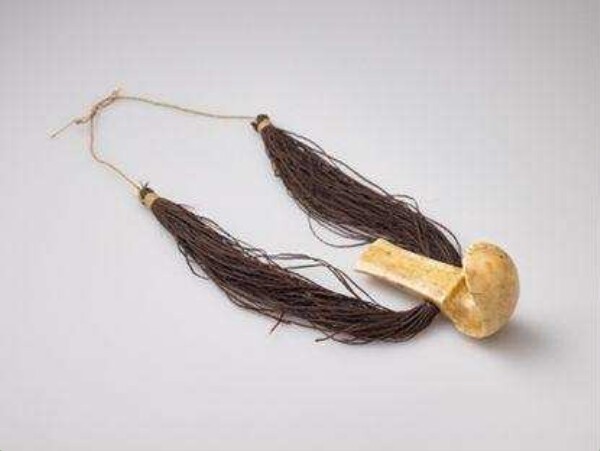
lei niho palaoa
Information about the language not available
Save
Breast jewellery

'ohe kāpala
Information about the language not available
Save
Stamp
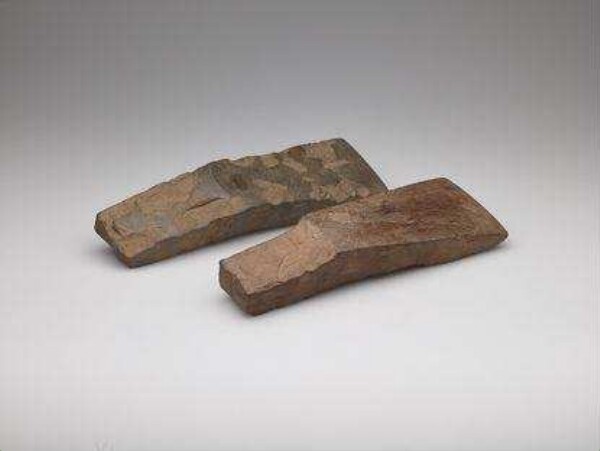
ko'i
Information about the language not available
Save
Dechsel
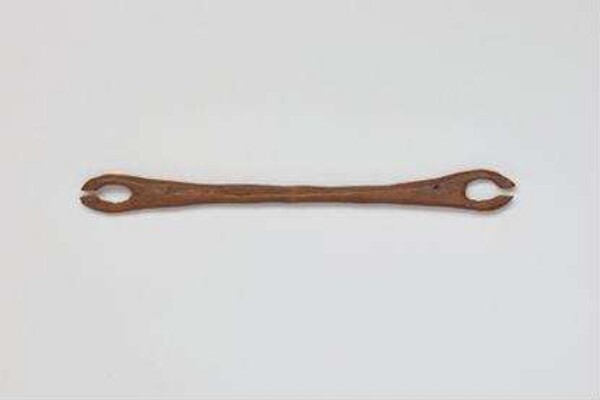
hi'a
Information about the language not available
Save
Needle
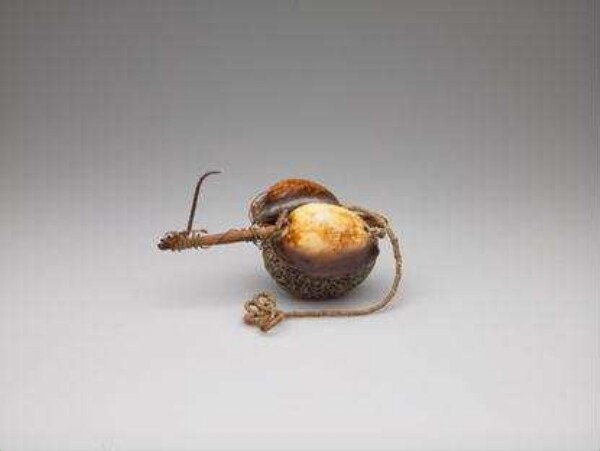
leho he'e
Information about the language not available
Save
Bait
hi'a
Information about the language not available
Save
Needle

This collection item does not have a name in the language of origin. If you know the name or have comments, use this form to contact the data-providing institution.
Save
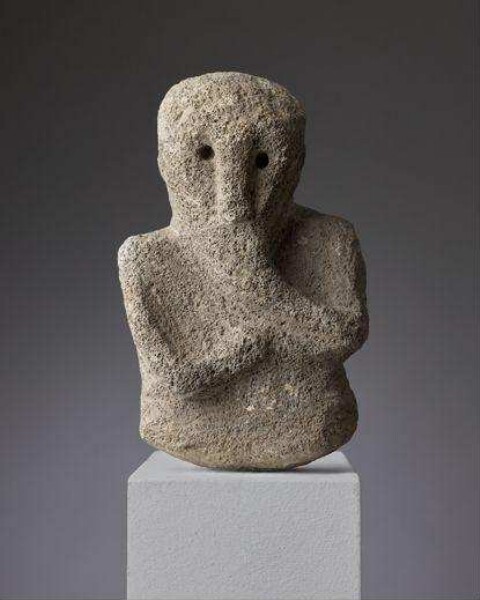
kiʻi pōhaku / akua pōhaku
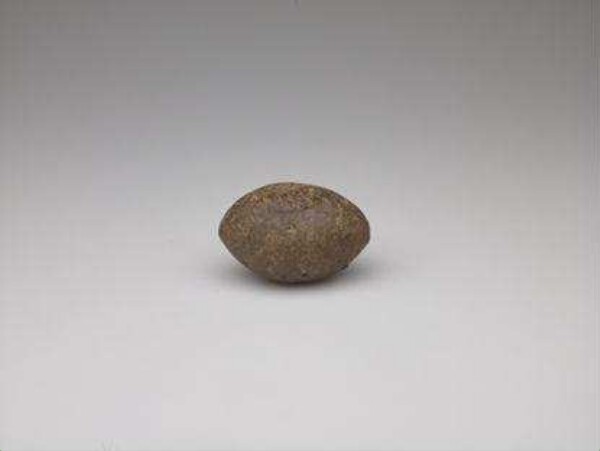
alā o ka maʻa
Information about the language not available
Save
Centrifugal stone
This content was machine-translated