In addition to the technically required cookies, our website also uses cookies for statistical evaluation. You can also use the website without these cookies. By clicking on "I agree" you agree that we may set cookies for analysis purposes. You can see and change your cookie settings here.
This collection item does not have a name in the language of origin. If you know the name or have comments, use this form to contact the data-providing institution.
The Nāgasvaram is a cone oboe with a double reed, which is at home in South Indian classical music. The body is longer than that of the North Indian double-reed instruments. According to tradition, the instrument is made from ebony that has been seasoned for several decades. The mouthpiece is often made from reeds.
This collection item does not have a name in the language of origin. If you know the name or have comments, use this form to contact the data-providing institution.
Save
x
This collection item does not have a name in the language of origin. If you know the name or have comments, use this form to contact the data-providing institution.
Save
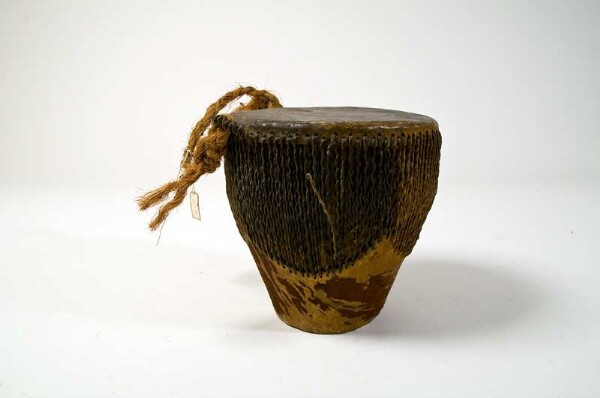
Boiler drum
This collection item does not have a name in the language of origin. If you know the name or have comments, use this form to contact the data-providing institution.
Save
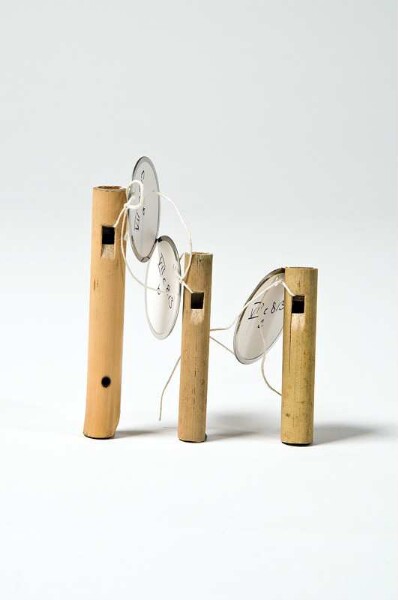
Open inner flute with finger holes
This collection item does not have a name in the language of origin. If you know the name or have comments, use this form to contact the data-providing institution.
Save
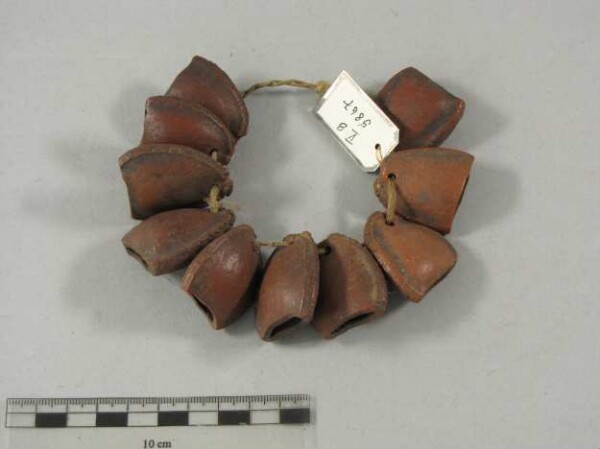
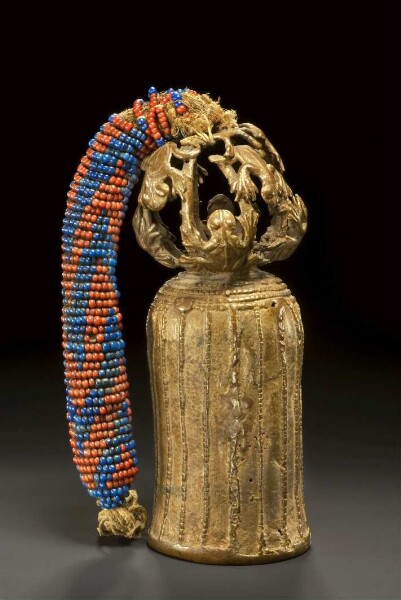
Bell
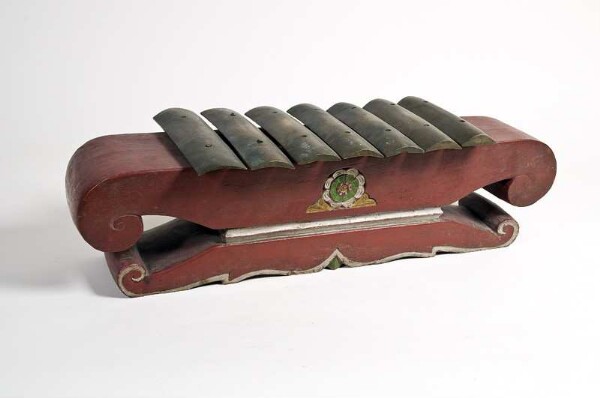
saron demung (Gamelan, pélog)
Information about the language not available
Save
saron demung
This collection item does not have a name in the language of origin. If you know the name or have comments, use this form to contact the data-providing institution.
Save
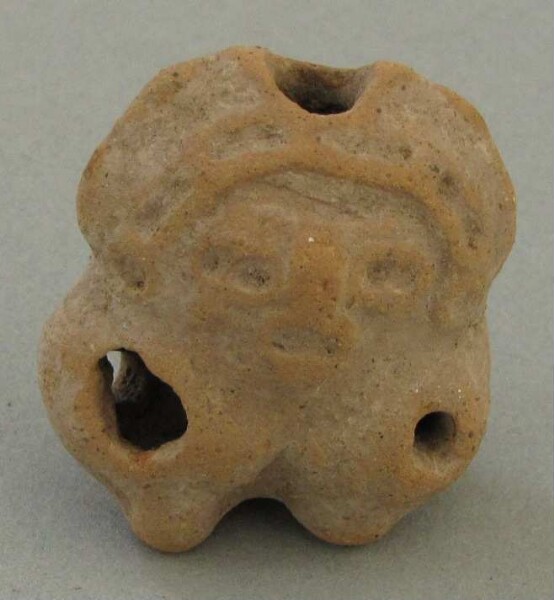
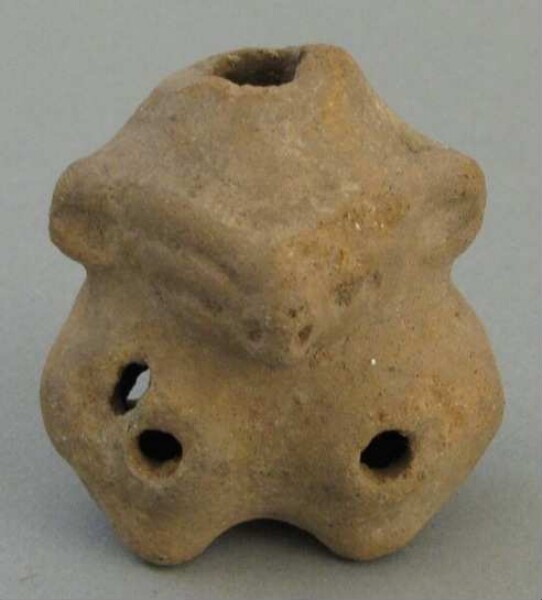
Clay whistle
This collection item does not have a name in the language of origin. If you know the name or have comments, use this form to contact the data-providing institution.
Save
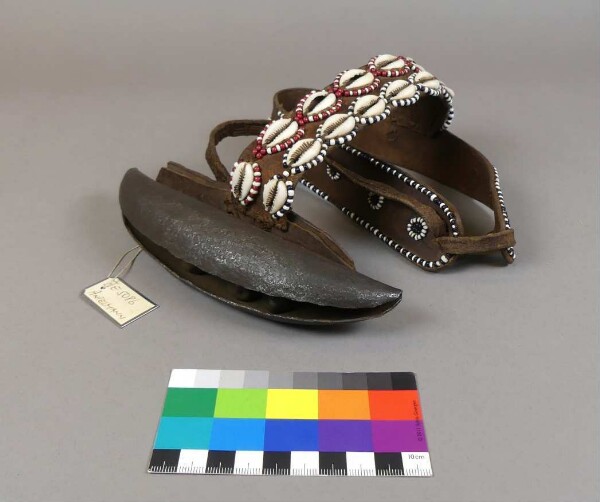
Foot clip
This collection item does not have a name in the language of origin. If you know the name or have comments, use this form to contact the data-providing institution.