In addition to the technically required cookies, our website also uses cookies for statistical evaluation. You can also use the website without these cookies. By clicking on "I agree" you agree that we may set cookies for analysis purposes. You can see and change your cookie settings here.
This collection item does not have a name in the language of origin. If you know the name or have comments, use this form to contact the data-providing institution.
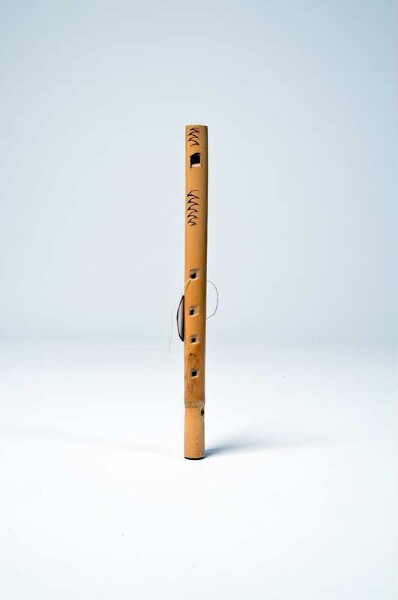
Lāmā Mvāhlĩ: This extremely rare instrument, made entirely of brass, is one of only six examples that were made as part of the cult for the tantric goddess Bhairavi, who resides in Nuwakot. The village is a two-day hike north-west of Kathmandu. The Jugi musicians performed at the annual Bhairavī-jatra procession. The instrument has a slightly curved body and eight frontal tone holes.
This collection item does not have a name in the language of origin. If you know the name or have comments, use this form to contact the data-providing institution.
Save
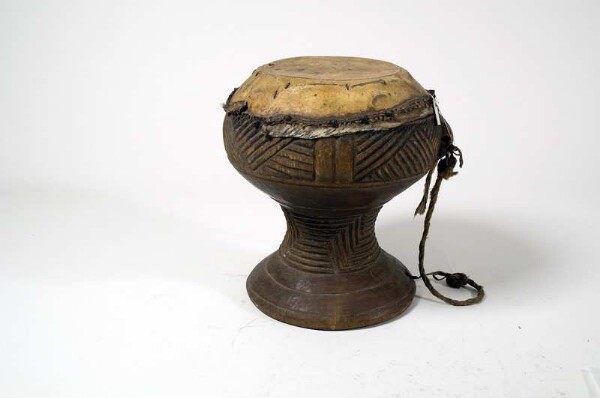
Cup drum
This collection item does not have a name in the language of origin. If you know the name or have comments, use this form to contact the data-providing institution.
Save
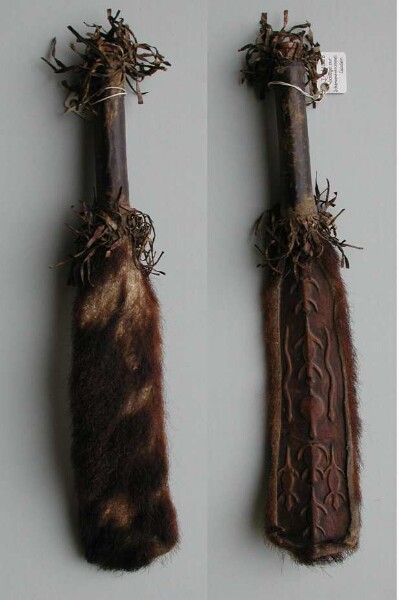
Rattle
This collection item does not have a name in the language of origin. If you know the name or have comments, use this form to contact the data-providing institution.
Save
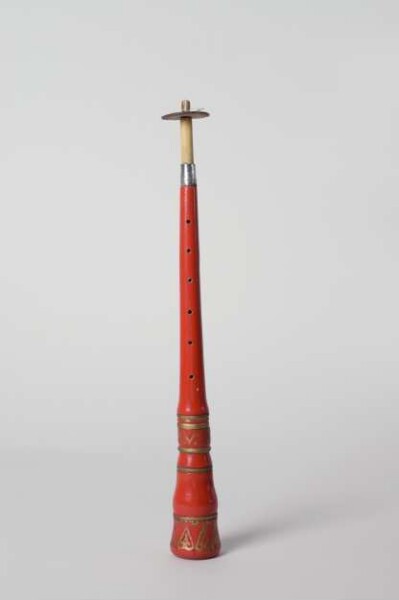
Selompret
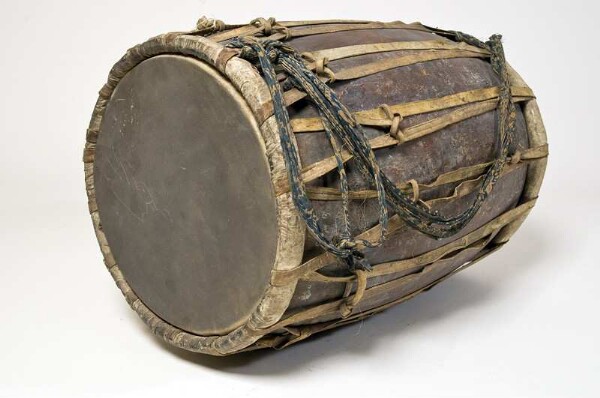
dhol
Information about the language not available
Save
dhol
This collection item does not have a name in the language of origin. If you know the name or have comments, use this form to contact the data-providing institution.
Save
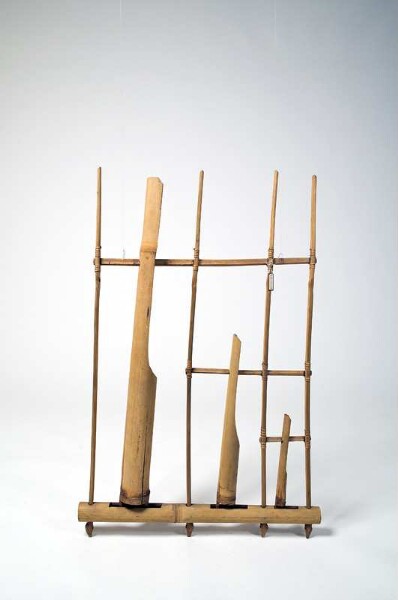
anklung
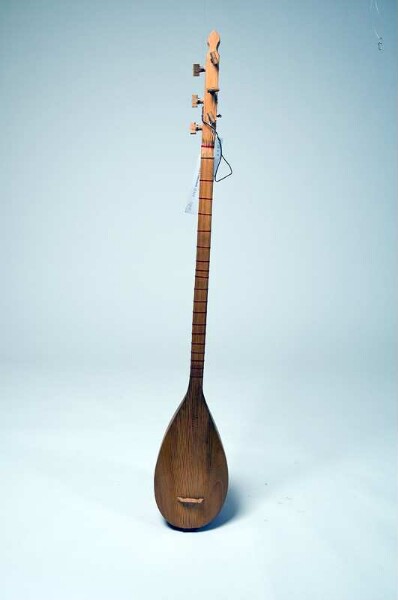
cura
Information about the language not available
Save
cura
This collection item does not have a name in the language of origin. If you know the name or have comments, use this form to contact the data-providing institution.
Save
Drum
This collection item does not have a name in the language of origin. If you know the name or have comments, use this form to contact the data-providing institution.
Save
Cone drum
This collection item does not have a name in the language of origin. If you know the name or have comments, use this form to contact the data-providing institution.