In addition to the technically required cookies, our website also uses cookies for statistical evaluation. You can also use the website without these cookies. By clicking on "I agree" you agree that we may set cookies for analysis purposes. You can see and change your cookie settings here.
This collection item does not have a name in the language of origin. If you know the name or have comments, use this form to contact the data-providing institution.
Small head fragment. The object belonged to an anthropomorphic sculpture wearing head and ear jewellery. The ceramic was smoothed, slurried, primed, painted and polished. The primer and paint are very heavily eroded. The fragment has a white-yellowish base colour, which is painted black and red. The figure has large, vividly emphasised eyes. It wears an open headdress. Ferrero (1975) and Healy (1980) refer to seated and standing anthropomorphic figures that can wear an open or closed headdress. Symbolic meaning: Stevenson-Day (1997) interprets the female sculptures of the Mora group as shamans. Cultural significance: the ceramics of the Mora group were produced in the north-west of Costa Rica and traded to the Central Highlands and the Atlantic region of the country. It uses design elements (seated anthropomorphic figures with headdresses, mat motif, Kan cross) that are also known from the Maya ceramics (Copador group) of the Clásico Tardío (900-600d.C.). The anthropomorphic figures of the Mora group show greater representational schematism compared to the anthropomorphic sculptures of the zoned bicoloured pottery (Rosales Esgrafiado) and the Policromo Antiguo (Galo Policromo group). (Künne 2004)
This collection item does not have a name in the language of origin. If you know the name or have comments, use this form to contact the data-providing institution.
Save
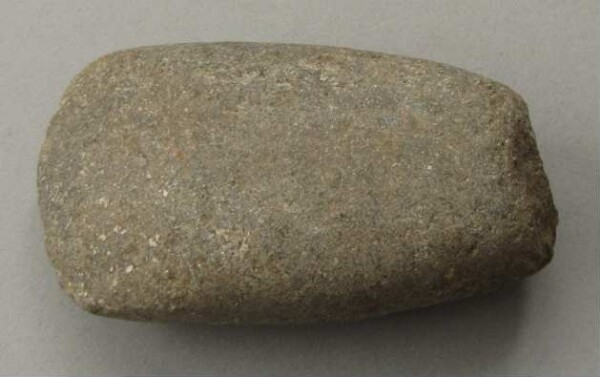
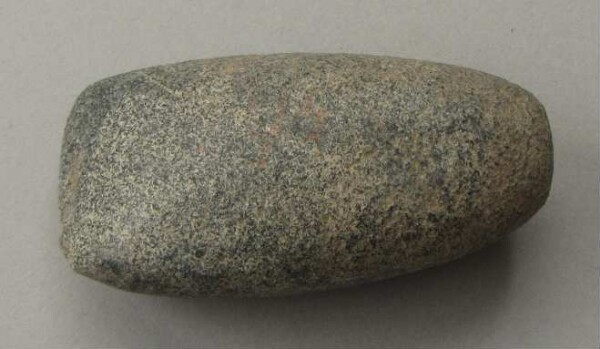
Stone axe blade
This collection item does not have a name in the language of origin. If you know the name or have comments, use this form to contact the data-providing institution.
Save
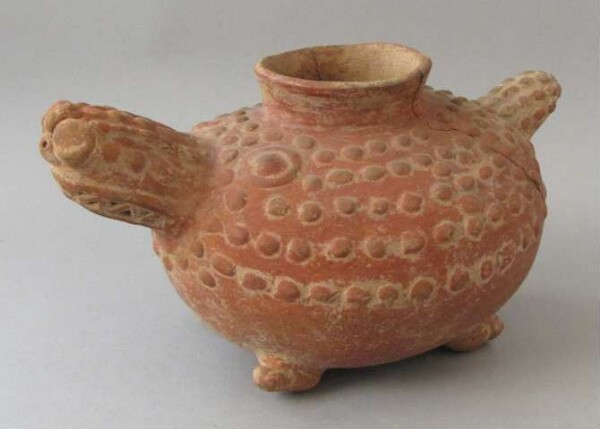
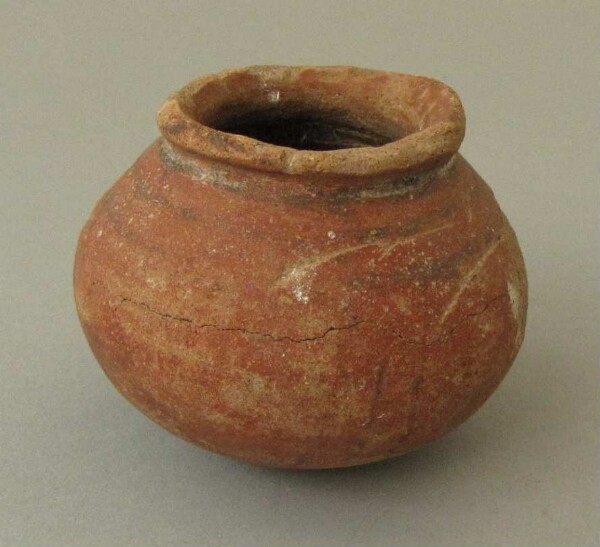
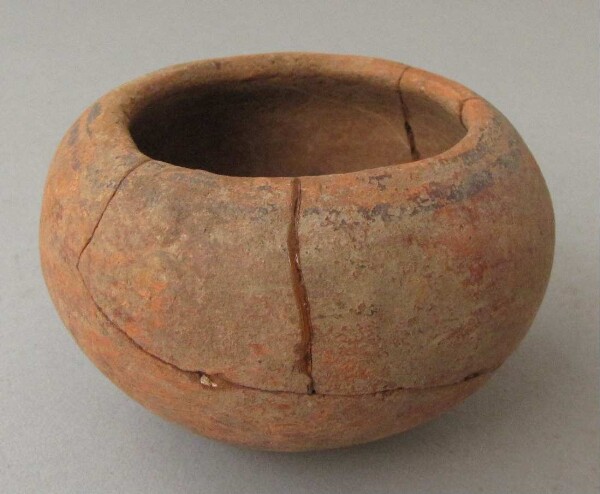
Clay vessel
This collection item does not have a name in the language of origin. If you know the name or have comments, use this form to contact the data-providing institution.
Save
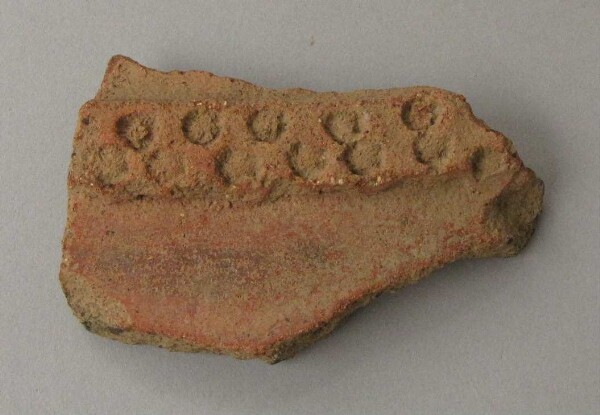
Rim sherd of a clay vessel
This collection item does not have a name in the language of origin. If you know the name or have comments, use this form to contact the data-providing institution.
Save
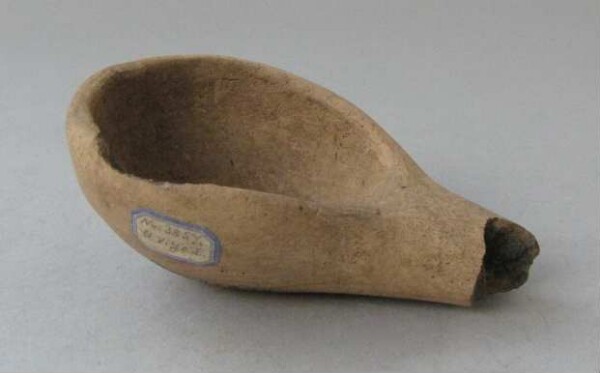
Ladle
This collection item does not have a name in the language of origin. If you know the name or have comments, use this form to contact the data-providing institution.
Save
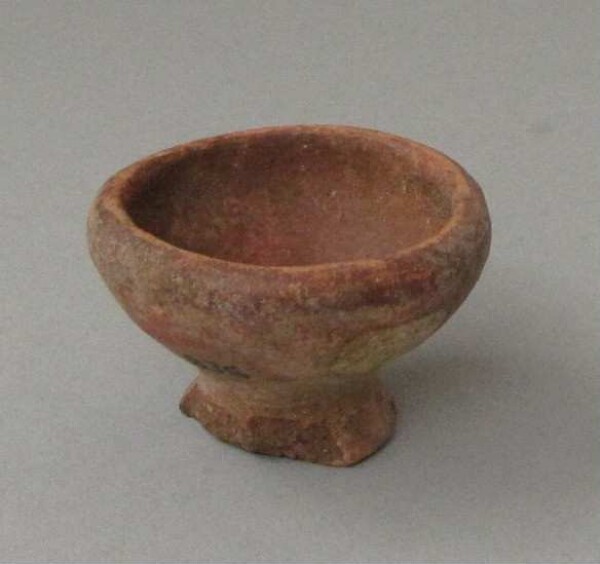
Clay vessel
This collection item does not have a name in the language of origin. If you know the name or have comments, use this form to contact the data-providing institution.
Save
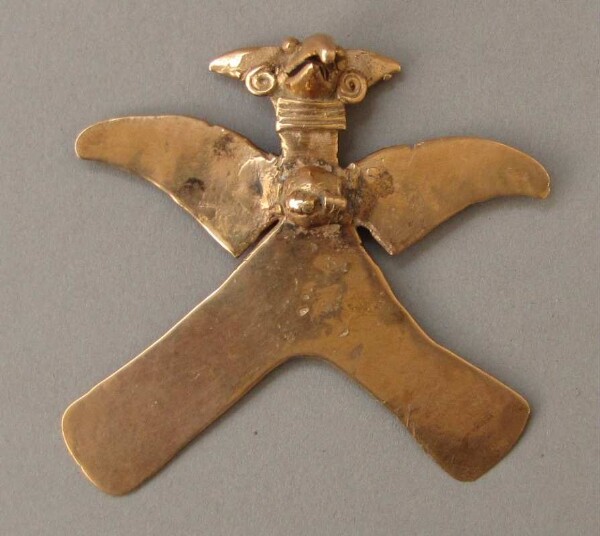
Gold figure
This collection item does not have a name in the language of origin. If you know the name or have comments, use this form to contact the data-providing institution.
Save
Clay vessel
This collection item does not have a name in the language of origin. If you know the name or have comments, use this form to contact the data-providing institution.
Save
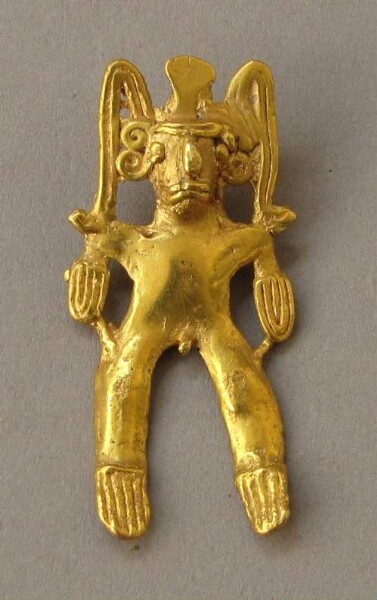
Gold figure
This collection item does not have a name in the language of origin. If you know the name or have comments, use this form to contact the data-providing institution.
Save
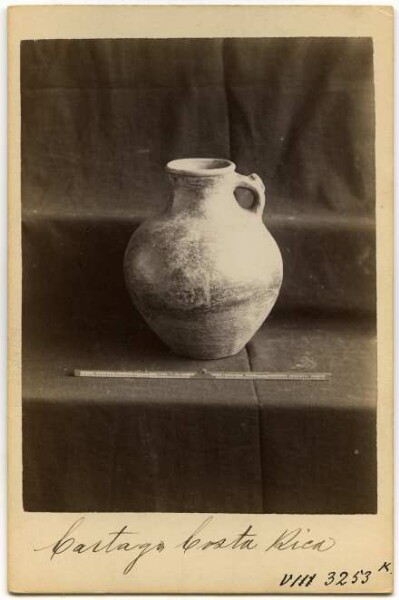
Clay vase with handle from the Museo Nacional, San José (Costa Rica)
This collection item does not have a name in the language of origin. If you know the name or have comments, use this form to contact the data-providing institution.
Save
Clay vessel
This collection item does not have a name in the language of origin. If you know the name or have comments, use this form to contact the data-providing institution.