In addition to the technically required cookies, our website also uses cookies for statistical evaluation. You can also use the website without these cookies. By clicking on "I agree" you agree that we may set cookies for analysis purposes. You can see and change your cookie settings here.
Frame drum (tib. nga). Tibetan nga drums are double-shelled round drums that are hung on an extra stand or have a wooden handle for carrying or standing on. They are beaten on many occasions - with one or two mallets - and are an integral part of the monk's orchestra. They are used in processions as well as in religious rituals to accompany recitations, prayers and meditations.
This collection item does not have a name in the language of origin. If you know the name or have comments, use this form to contact the data-providing institution.
Save
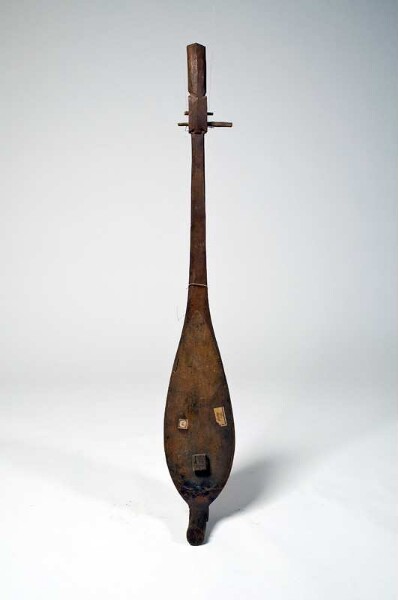
Bowl-necked lute
This collection item does not have a name in the language of origin. If you know the name or have comments, use this form to contact the data-providing institution.
Save
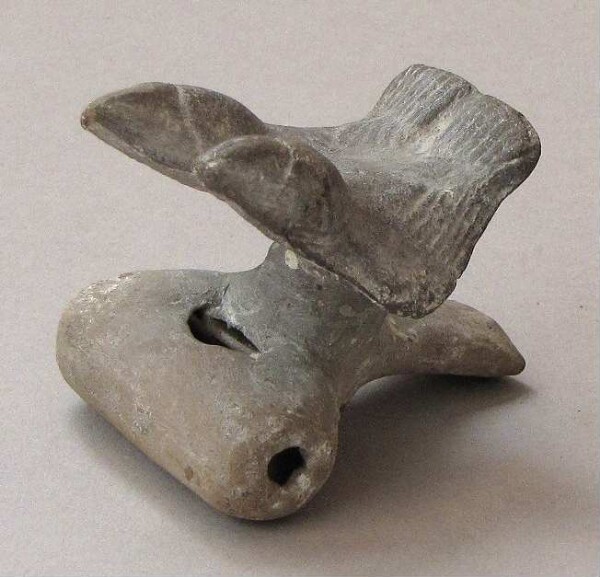
Clay whistle
This collection item does not have a name in the language of origin. If you know the name or have comments, use this form to contact the data-providing institution.
Save
'benembene' / "benebene"
This collection item does not have a name in the language of origin. If you know the name or have comments, use this form to contact the data-providing institution.
Save
Clay flute
kanango
Information about the language not available
Save
kanango, Omo'le Dundun
hichiriki
Information about the language not available
Save
hichiriki
milimbo
Information about the language not available
Save
milimbo
This collection item does not have a name in the language of origin. If you know the name or have comments, use this form to contact the data-providing institution.
Save
Pipes on a string (amulet)
This collection item does not have a name in the language of origin. If you know the name or have comments, use this form to contact the data-providing institution.
Save
Fragment of a clay pipe
This collection item does not have a name in the language of origin. If you know the name or have comments, use this form to contact the data-providing institution.