In addition to the technically required cookies, our website also uses cookies for statistical evaluation. You can also use the website without these cookies. By clicking on "I agree" you agree that we may set cookies for analysis purposes. You can see and change your cookie settings here.
This collection item does not have a name in the language of origin. If you know the name or have comments, use this form to contact the data-providing institution.
The Tibetan cult instruments are built as identical pairs - in contrast to the Tibetan-Buddhist instrument pairs, which differ in details. The bodies of VII c 1034/1035 are made of two different types of wood. The two halves were then glued together with their grooved inner bore and secured with a 67mm long brass cap and seven metal rings between the seven finger holes. The tube supports with the device for holding the pirouette protrude 113 mm from the top of the body. Apart from an ornamental band on the upper rim of the cup, there is no jewellery on the instruments;
This collection item does not have a name in the language of origin. If you know the name or have comments, use this form to contact the data-providing institution.
Save
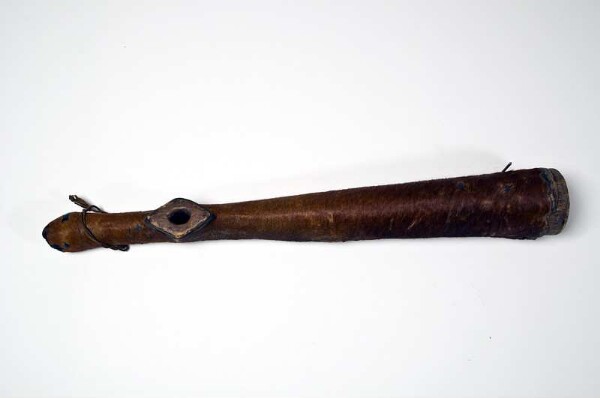
Transverse trumpet
This collection item does not have a name in the language of origin. If you know the name or have comments, use this form to contact the data-providing institution.
Save
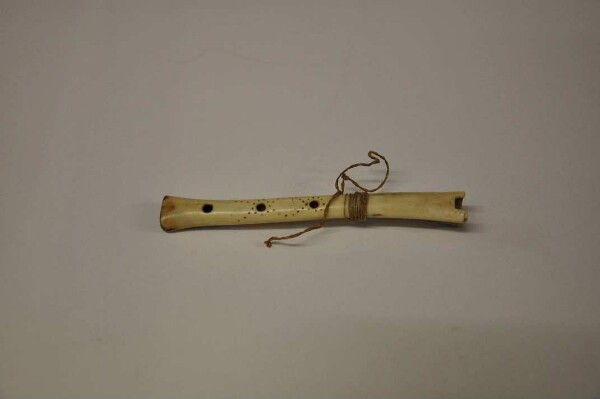
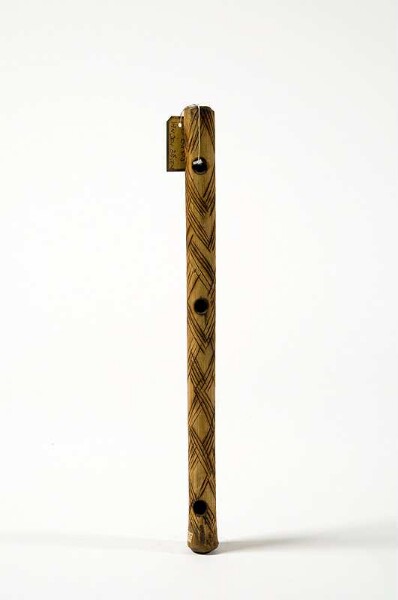
Bone flute
This collection item does not have a name in the language of origin. If you know the name or have comments, use this form to contact the data-providing institution.
Save
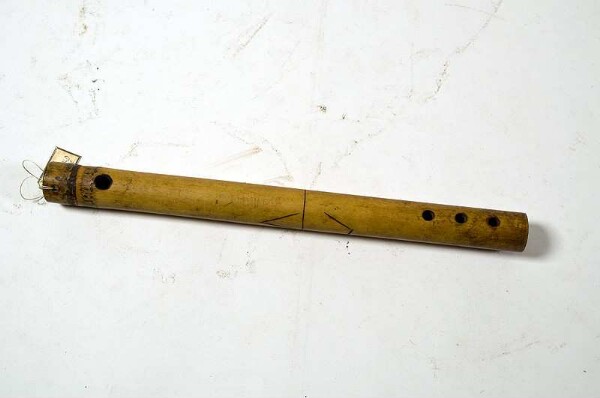
Transverse flute
This collection item does not have a name in the language of origin. If you know the name or have comments, use this form to contact the data-providing institution.
Save
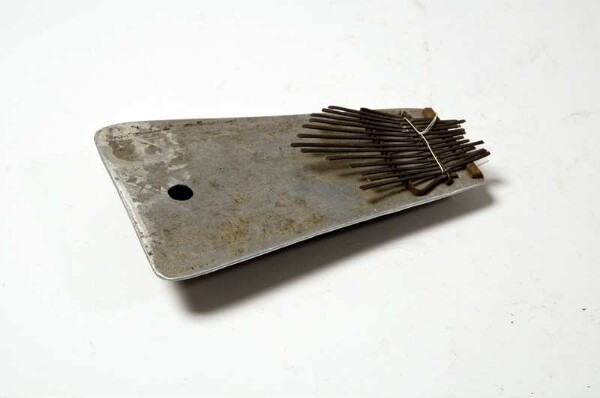
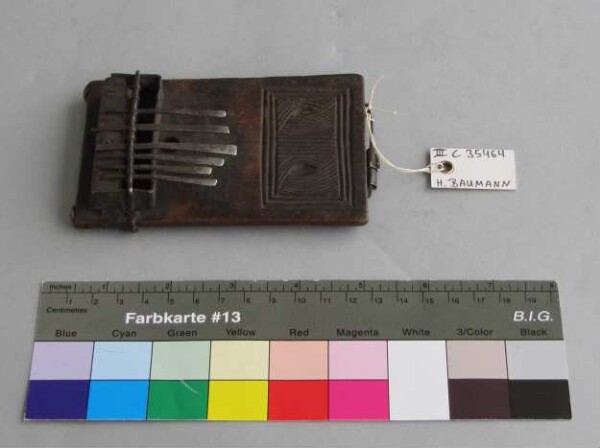
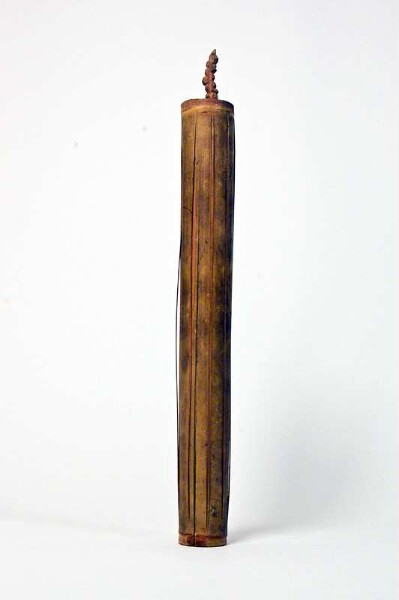
Lamellophone
This collection item does not have a name in the language of origin. If you know the name or have comments, use this form to contact the data-providing institution.
Save
Flute
katsisaji
Information about the language not available
Save
Lamellophone
luo
Information about the language not available
Save
luo
endingidi
Information about the language not available
Save
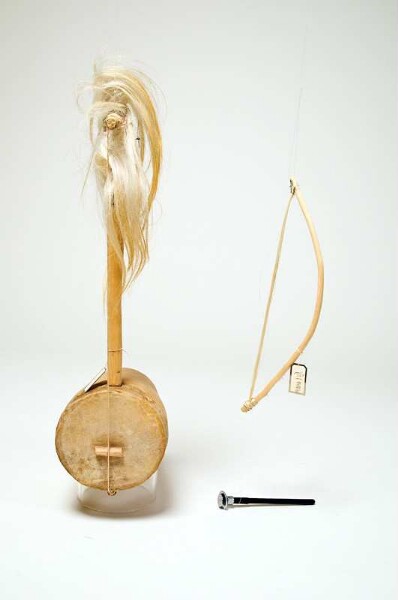
Tubular lute with bow
umwilonge
Information about the language not available
Save
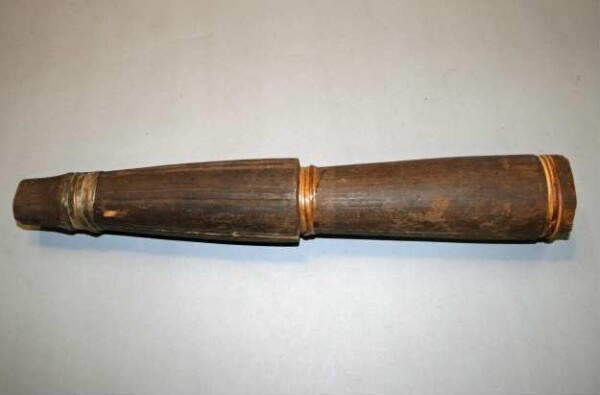
single flute with finger holes
This collection item does not have a name in the language of origin. If you know the name or have comments, use this form to contact the data-providing institution.
Save
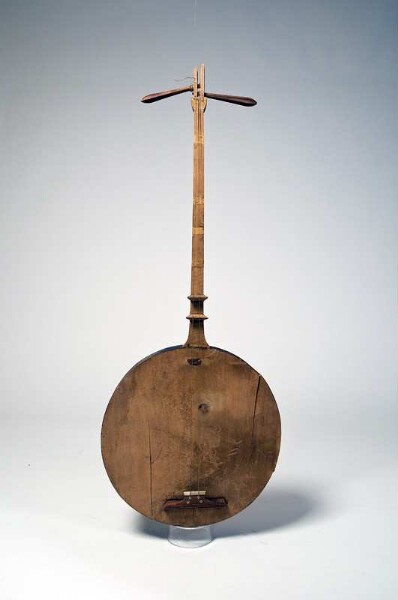
Box neck lute
This collection item does not have a name in the language of origin. If you know the name or have comments, use this form to contact the data-providing institution.