In addition to the technically required cookies, our website also uses cookies for statistical evaluation. You can also use the website without these cookies. By clicking on "I agree" you agree that we may set cookies for analysis purposes. You can see and change your cookie settings here.
This collection item does not have a name in the language of origin. If you know the name or have comments, use this form to contact the data-providing institution.
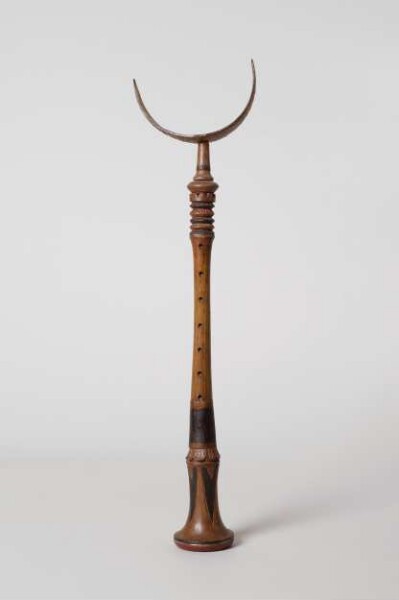
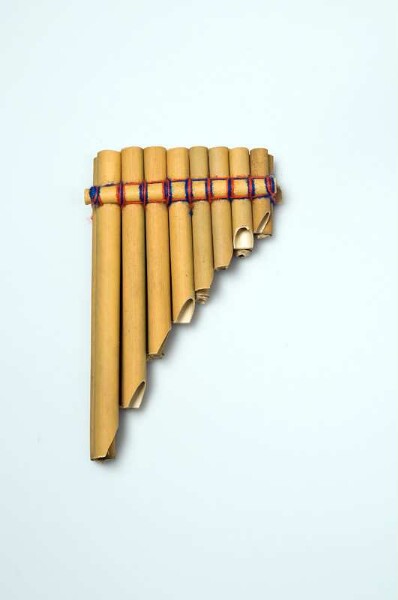
The double-reed instrument Hyang-p'iri (Sakwan-piri, Tae-piri) has a bamboo body, seven frontal, slightly oval tone holes and a raised thumb hole. The p'iri is one of the oldest musical instruments in Korea. It is traditionally made from bamboo, whereby the tip of the body is secured with thread wrappings to prevent it from tearing when the mouthpiece is inserted.
This collection item does not have a name in the language of origin. If you know the name or have comments, use this form to contact the data-providing institution.
Save
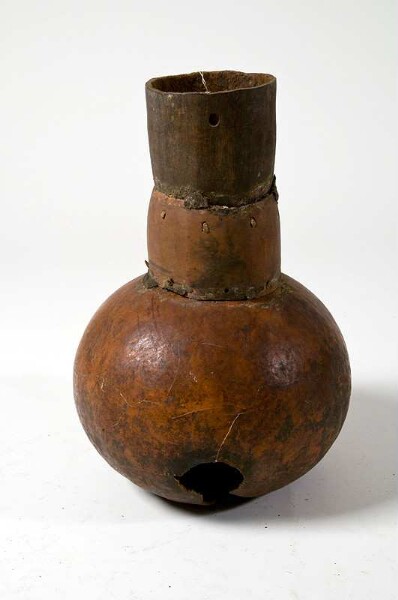
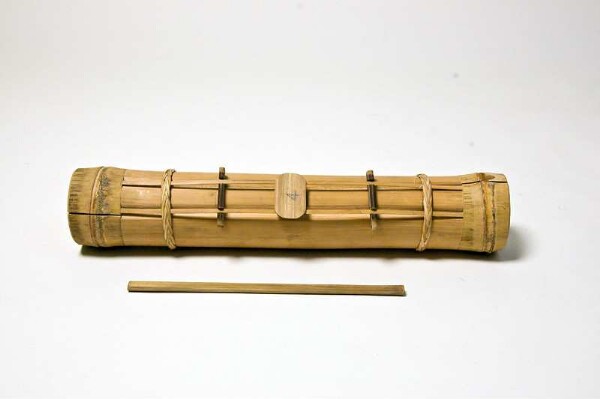
Resonator (xylophone fragment)
This collection item does not have a name in the language of origin. If you know the name or have comments, use this form to contact the data-providing institution.
Save
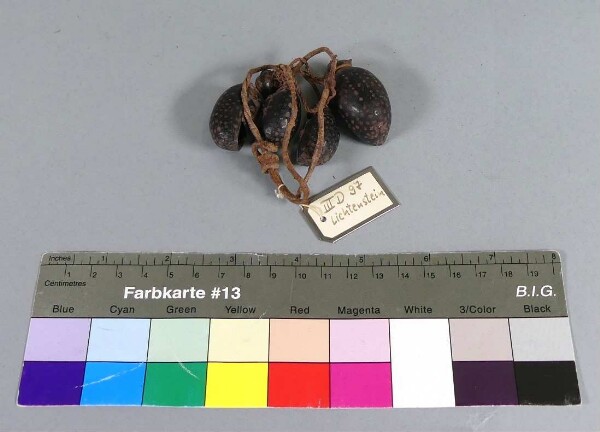
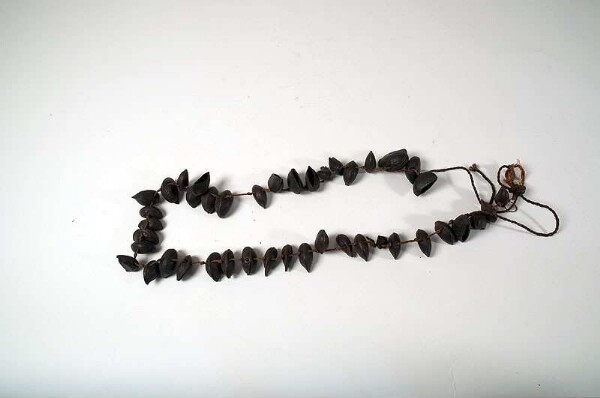
Row rattle
This collection item does not have a name in the language of origin. If you know the name or have comments, use this form to contact the data-providing institution.
Save
Tarompèt
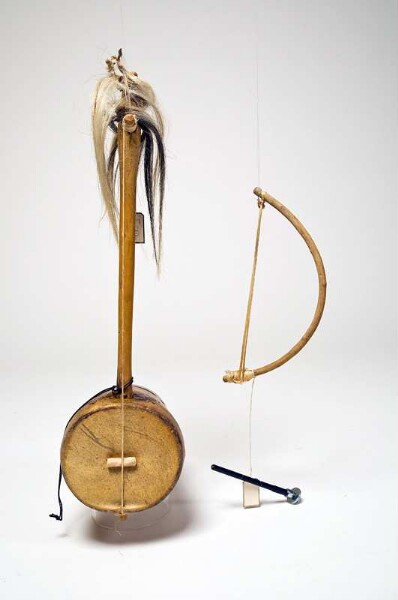
endingidi
Information about the language not available
Save
endingidi
tambi
Information about the language not available
Save
tambi
sicu chchuli (arca)
Information about the language not available
Save
sicu chchuli (arca)
This collection item does not have a name in the language of origin. If you know the name or have comments, use this form to contact the data-providing institution.
Save
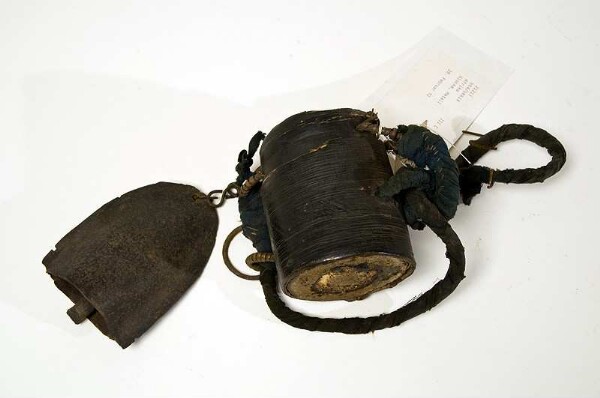
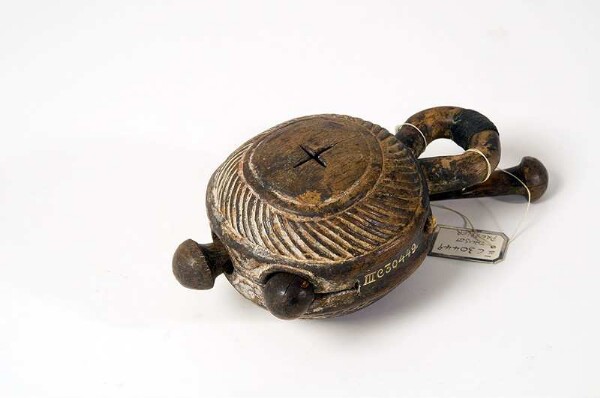
Bell with protection spell (travelling)
This collection item does not have a name in the language of origin. If you know the name or have comments, use this form to contact the data-providing institution.
Save
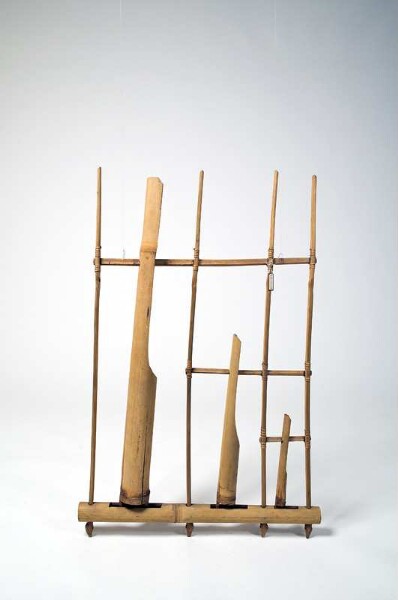
anklung
This collection item does not have a name in the language of origin. If you know the name or have comments, use this form to contact the data-providing institution.
Save
Dance clapper for legs
This collection item does not have a name in the language of origin. If you know the name or have comments, use this form to contact the data-providing institution.