In addition to the technically required cookies, our website also uses cookies for statistical evaluation. You can also use the website without these cookies. By clicking on "I agree" you agree that we may set cookies for analysis purposes. You can see and change your cookie settings here.
This collection item does not have a name in the language of origin. If you know the name or have comments, use this form to contact the data-providing institution.
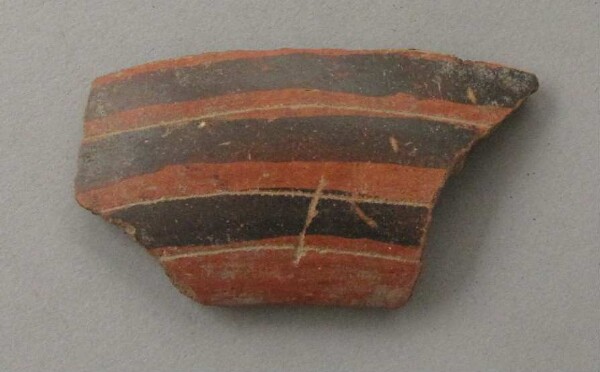
Große Randscherbe eines ovalen Kruges. Die Keramik ist beidseitig geglättet, geschlämmt und grundiert. Ihre Außenseite wurde polychrom bemalt und leicht poliert. Grundierung und Bemalung sind partiell erodiert. Das Fragment besitzt eine weiß-gelbliche Grundfarbe, die auf der Außenseite des Objekts rot, orange und schwarz-braun bemalt ist. Der Scherben wird durch einen unterrandständigen, horizontalen Fries verziert, der zwei ineinender verschlungene Wellenbänder (Guilloche-Motiv) zeigt. In ihren Schlaufen befindet sich ein schwarzer Punkt, der als Augenmotiv verstanden werden kann. Der Körper wird durch eine gewundene Schlange verziert. Die sichtbare Bildpartie zeigt einen bandförmigen Körper, der von einer breiten, roten Linie begrenzt ist. Das Wesen besteht aus mehreren Segmenten, die durch Kreuzgitterschraffuren dekoriert werden. Ein Segment hat kurze, schwarz-braune Außenlinien. Die Gestalt besitzt einen runden Kragen, an dem ein Bein ansetzt. Auf der Innenseite der Keramik sind unregelmäßige Spuren einer weiß-gelblichen Grundierung sichtbar. Symbolische Bedeutung: das Guilloche-Motiv wird häufig (Ferrero 1975: 405) als zwei Schlangenleiber interpretiert, die ineinander verschlungen sind. Nach Lothrop (1926): Nicoya polychrome ware, plumed serpent, type B. Kulturelle Bedeutung: überregionale Handelsware. Die Objekte der Gruppe Papagayo Policromo stehen in der Region Gran-Nicoya am Anfang der polychromen Bemalung auf weiß-gelblicher Grundierung. Die Tradition dauerte bis ins Policromo Tardío (1350-1520d.C.) an. Ihre Verzierungen zeigen einen starken mesoamerikanischen Einfluß (vergleiche Codex Borgia 1992: 46; Codex Zouche-Nuttall 1992: 31). Er manifestiert sich unter anderem in der Verdrängung von Echsen- und Fledermausthemen durch Raubkatzen- und Schlangendarstellungen. Die Variante ist sowohl aus Bestattungen als auch aus Siedlungskontexten bekannt. Sie wurde vor allem in Guanacaste dokumentiert und tritt seit der zweiten Hälfte des Policromo Medio (1350-800d.C.) auf. Das Guilloche-Motiv gilt als diagnostischer Anzeiger für die späte Phase des Policromo Medio (1350-800d.C.). Zur symbolischen Bedeutung siehe auch: Seler 1907: 15 f.; Taube 1994: 77-86. (Künne 2004)
This collection item does not have a name in the language of origin. If you know the name or have comments, use this form to contact the data-providing institution.
Save
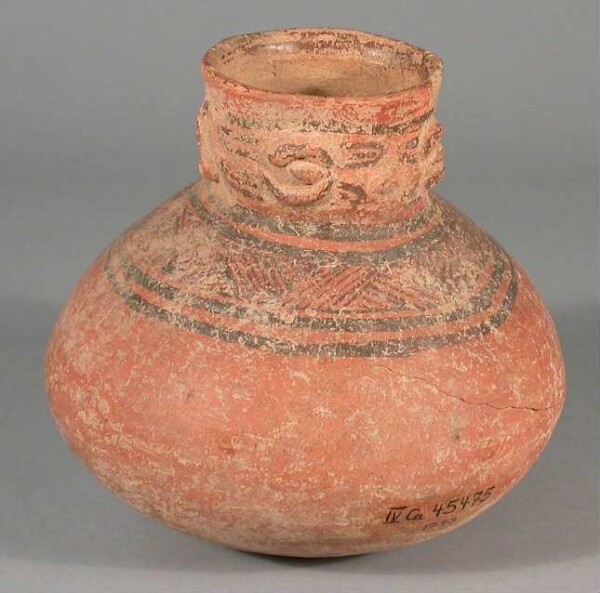
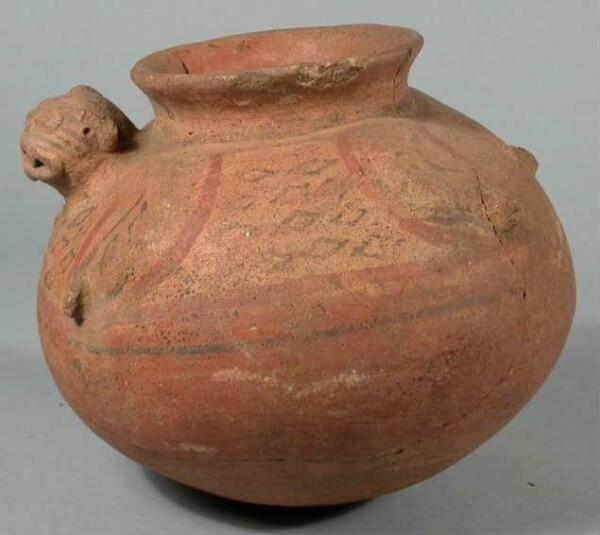
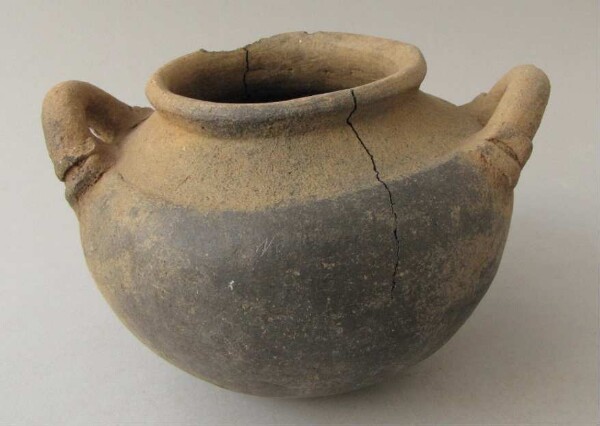
Clay vessel
This collection item does not have a name in the language of origin. If you know the name or have comments, use this form to contact the data-providing institution.
Save
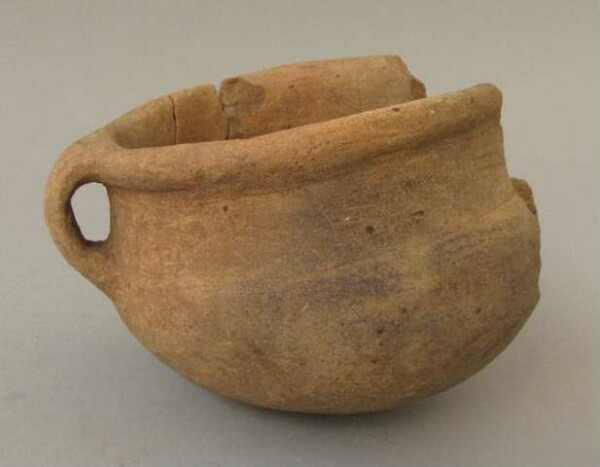
Clay vessel
This collection item does not have a name in the language of origin. If you know the name or have comments, use this form to contact the data-providing institution.
Save
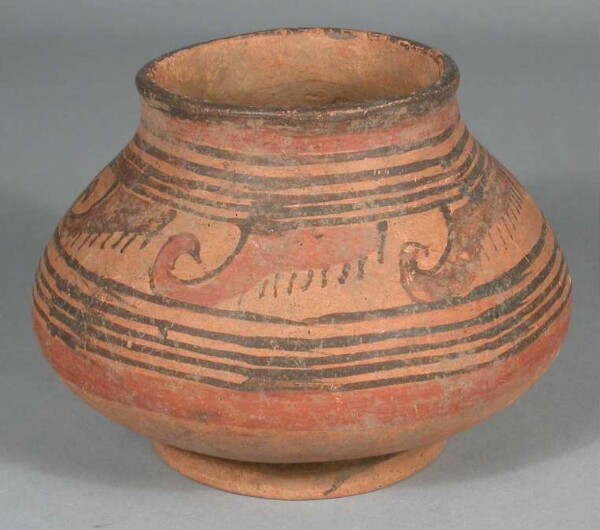
Clay vessel
This collection item does not have a name in the language of origin. If you know the name or have comments, use this form to contact the data-providing institution.
Save
Clay vessel
This collection item does not have a name in the language of origin. If you know the name or have comments, use this form to contact the data-providing institution.
Save
Clay vessel
This collection item does not have a name in the language of origin. If you know the name or have comments, use this form to contact the data-providing institution.
Save
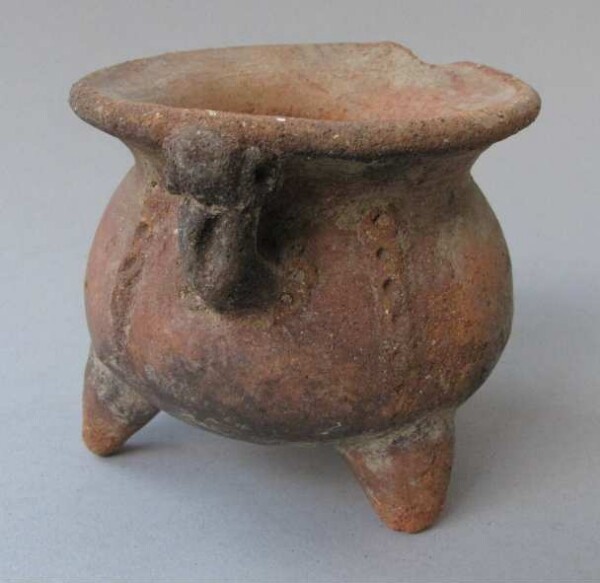
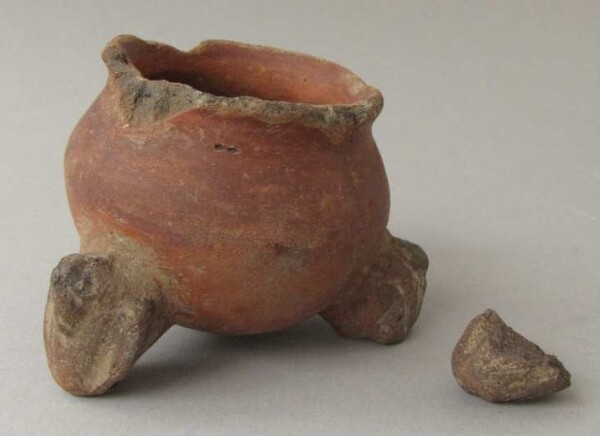
Tripod clay vessel
This collection item does not have a name in the language of origin. If you know the name or have comments, use this form to contact the data-providing institution.
Save
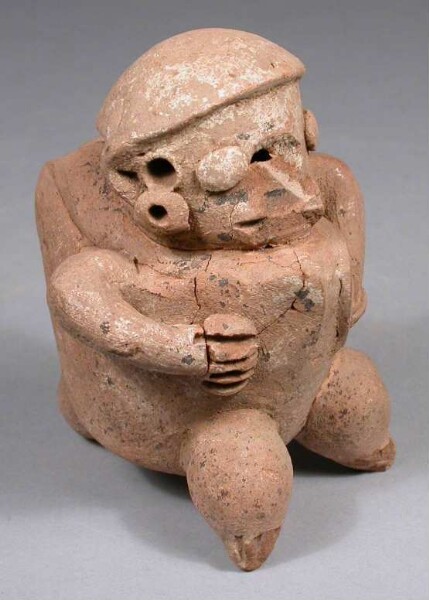
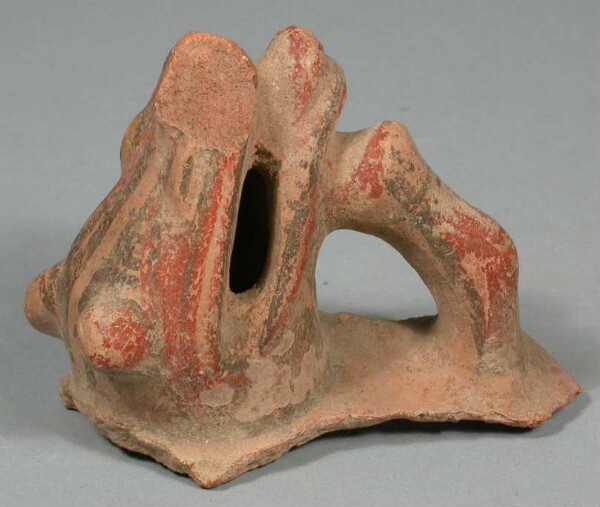
Clay whistle
This collection item does not have a name in the language of origin. If you know the name or have comments, use this form to contact the data-providing institution.
Save
Clay shard of a vessel
This collection item does not have a name in the language of origin. If you know the name or have comments, use this form to contact the data-providing institution.
Save
"Animal head "
This collection item does not have a name in the language of origin. If you know the name or have comments, use this form to contact the data-providing institution.
Save
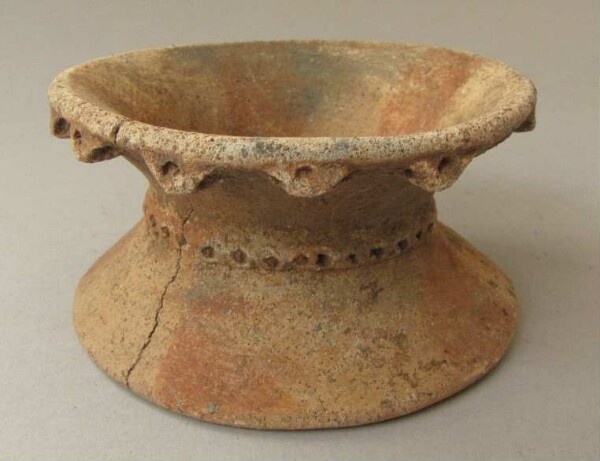
Clay saucer
This collection item does not have a name in the language of origin. If you know the name or have comments, use this form to contact the data-providing institution.