is related to :
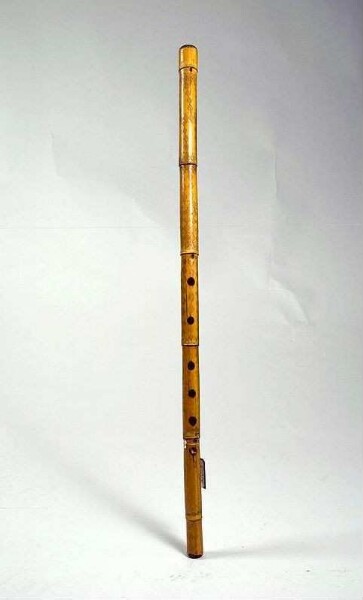
Objektbezug: IV Ca 2625 v, Tonflöte, Spätklassik, Carl Adolf Uhde (1844)
Objektbezug: IV Ca 2625 v, Tonflöte, Spätklassik, Carl Adolf Uhde (1844)
is related to :
Objektbezug: IV Ca 2625 bb, Tonpfeife, Carl Adolf Uhde (1844)
Objektbezug: IV Ca 2625 bb, Tonpfeife, Carl Adolf Uhde (1844)
is related to :
Objektbezug: IV Ca 2625 m, Tonpfeife, Carl Adolf Uhde (1844)
Objektbezug: IV Ca 2625 m, Tonpfeife, Carl Adolf Uhde (1844)
is related to :
Objektbezug: IV Ca 2625 c, Tonpfeife, Postklassik, Carl Adolf Uhde (1844)
Objektbezug: IV Ca 2625 c, Tonpfeife, Postklassik, Carl Adolf Uhde (1844)
is related to :
Objektbezug: IV Ca 2625 f, Tonpfeife, Carl Adolf Uhde (1844)
Objektbezug: IV Ca 2625 f, Tonpfeife, Carl Adolf Uhde (1844)
is related to :
Objektbezug: IV Ca 2625 g, Tonpfeife, Carl Adolf Uhde (1844)
Objektbezug: IV Ca 2625 g, Tonpfeife, Carl Adolf Uhde (1844)
is related to :
Objektbezug: IV Ca 2625 h, Tonpfeife, Carl Adolf Uhde (1844)
Objektbezug: IV Ca 2625 h, Tonpfeife, Carl Adolf Uhde (1844)
is related to :
Objektbezug: IV Ca 2625 i, Tonpfeife, Carl Adolf Uhde (1844)
Objektbezug: IV Ca 2625 i, Tonpfeife, Carl Adolf Uhde (1844)
is related to :
Objektbezug: IV Ca 2625 k, Tonpfeife, Carl Adolf Uhde (1844)
Objektbezug: IV Ca 2625 k, Tonpfeife, Carl Adolf Uhde (1844)
is related to :
Objektbezug: IV Ca 2625 l, Tonpfeife, Carl Adolf Uhde (1844)
Objektbezug: IV Ca 2625 l, Tonpfeife, Carl Adolf Uhde (1844)
is related to :
Objektbezug: IV Ca 2625 o, Tonpfeife, Carl Adolf Uhde (1844)
Objektbezug: IV Ca 2625 o, Tonpfeife, Carl Adolf Uhde (1844)
is related to :
Objektbezug: IV Ca 2625 s, Tonpfeife, Carl Adolf Uhde (1844)
Objektbezug: IV Ca 2625 s, Tonpfeife, Carl Adolf Uhde (1844)
is related to :
Objektbezug: IV Ca 2625 w, Tonpfeife, Carl Adolf Uhde (1844)
Objektbezug: IV Ca 2625 w, Tonpfeife, Carl Adolf Uhde (1844)
is related to :
Objektbezug: IV Ca 2625 aa, Tonpfeife, Carl Adolf Uhde (1844)
Objektbezug: IV Ca 2625 aa, Tonpfeife, Carl Adolf Uhde (1844)
is related to :
Objektbezug: IV Ca 2625 cc, Tonpfeife, Carl Adolf Uhde (1844)
Objektbezug: IV Ca 2625 cc, Tonpfeife, Carl Adolf Uhde (1844)
is related to :
Objektbezug: IV Ca 2625 dd, Tonpfeife, Carl Adolf Uhde (1844)
Objektbezug: IV Ca 2625 dd, Tonpfeife, Carl Adolf Uhde (1844)
is related to :
Objektbezug: IV Ca 2625 ff, Tonpfeife, Carl Adolf Uhde (1844)
Objektbezug: IV Ca 2625 ff, Tonpfeife, Carl Adolf Uhde (1844)
is related to :
Objektbezug: IV Ca 2625 ll, Tonpfeife, Carl Adolf Uhde (1844)
Objektbezug: IV Ca 2625 ll, Tonpfeife, Carl Adolf Uhde (1844)
is related to :
Objektbezug: IV Ca 2625 mm, Tonpfeife, Carl Adolf Uhde (1844)
Objektbezug: IV Ca 2625 mm, Tonpfeife, Carl Adolf Uhde (1844)
is related to :
Objektbezug: IV Ca 2625 pp, Tonpfeife, Carl Adolf Uhde (1844)
Objektbezug: IV Ca 2625 pp, Tonpfeife, Carl Adolf Uhde (1844)
is related to :
Objektbezug: IV Ca 2625 rr, Tonpfeife, Carl Adolf Uhde (1844)
Objektbezug: IV Ca 2625 rr, Tonpfeife, Carl Adolf Uhde (1844)
is related to :
Objektbezug: IV Ca 2625 ii, Tonpfeife, Carl Adolf Uhde (1844)
Objektbezug: IV Ca 2625 ii, Tonpfeife, Carl Adolf Uhde (1844)
is related to :
Objektbezug: IV Ca 2625 zz, Tonpfeife, Carl Adolf Uhde (1844)
Objektbezug: IV Ca 2625 zz, Tonpfeife, Carl Adolf Uhde (1844)
is related to :
Objektbezug: IV Ca 2625 ee <2>, Tonpfeife, Carl Adolf Uhde (1844)
Objektbezug: IV Ca 2625 ee <2>, Tonpfeife, Carl Adolf Uhde (1844)
is related to :
Objektbezug: IV Ca 2625 nn, Tonpfeife (fragmentiert), Carl Adolf Uhde (1844)
Objektbezug: IV Ca 2625 nn, Tonpfeife (fragmentiert), Carl Adolf Uhde (1844)
is related to :
Objektbezug: IV Ca 2625 d, Tonpfeife, Postklassik, Carl Adolf Uhde (1844)
Objektbezug: IV Ca 2625 d, Tonpfeife, Postklassik, Carl Adolf Uhde (1844)
is related to :
Objektbezug: IV Ca 2625 a, Tonpfeife, Carl Adolf Uhde (1844)
Objektbezug: IV Ca 2625 a, Tonpfeife, Carl Adolf Uhde (1844)
is related to :
Objektbezug: IV Ca 2625 b, Tonpfeife, Carl Adolf Uhde (1844)
Objektbezug: IV Ca 2625 b, Tonpfeife, Carl Adolf Uhde (1844)
is related to :
Objektbezug: IV Ca 2625 n, Tonpfeife, Carl Adolf Uhde (1844)
Objektbezug: IV Ca 2625 n, Tonpfeife, Carl Adolf Uhde (1844)
is related to :
Objektbezug: IV Ca 2625 r, Tonpfeife, Carl Adolf Uhde (1844)
Objektbezug: IV Ca 2625 r, Tonpfeife, Carl Adolf Uhde (1844)
is related to :
Objektbezug: IV Ca 2625 t, Tonpfeife, Carl Adolf Uhde (1844)
Objektbezug: IV Ca 2625 t, Tonpfeife, Carl Adolf Uhde (1844)
is related to :
Objektbezug: IV Ca 2625 u, Tonpfeife, Carl Adolf Uhde (1844)
Objektbezug: IV Ca 2625 u, Tonpfeife, Carl Adolf Uhde (1844)
is related to :
Objektbezug: IV Ca 2625 x, Tonpfeife, Carl Adolf Uhde (1844)
Objektbezug: IV Ca 2625 x, Tonpfeife, Carl Adolf Uhde (1844)
is related to :
Objektbezug: IV Ca 2625 y, Tonpfeife, Carl Adolf Uhde (1844)
Objektbezug: IV Ca 2625 y, Tonpfeife, Carl Adolf Uhde (1844)
is related to :
Objektbezug: IV Ca 2625 z, Tonpfeife, Carl Adolf Uhde (1844)
Objektbezug: IV Ca 2625 z, Tonpfeife, Carl Adolf Uhde (1844)
is related to :
Objektbezug: IV Ca 2625 ee, Tonpfeife, Carl Adolf Uhde (1844)
Objektbezug: IV Ca 2625 ee, Tonpfeife, Carl Adolf Uhde (1844)
is related to :
Objektbezug: IV Ca 2625 gg, Tonpfeife, Carl Adolf Uhde (1844)
Objektbezug: IV Ca 2625 gg, Tonpfeife, Carl Adolf Uhde (1844)
is related to :
Objektbezug: IV Ca 2625 hh, Tonpfeife, Carl Adolf Uhde (1844)
Objektbezug: IV Ca 2625 hh, Tonpfeife, Carl Adolf Uhde (1844)
is related to :
Objektbezug: IV Ca 2625 oo, Tonpfeife, Carl Adolf Uhde (1844)
Objektbezug: IV Ca 2625 oo, Tonpfeife, Carl Adolf Uhde (1844)