In addition to the technically required cookies, our website also uses cookies for statistical evaluation. You can also use the website without these cookies. By clicking on "I agree" you agree that we may set cookies for analysis purposes. You can see and change your cookie settings here.
This collection item does not have a name in the language of origin. If you know the name or have comments, use this form to contact the data-providing institution.
As late as the 20th century, it was customary for messengers of the court (Emese) of Ife to shave half of their heads every five days. Because of the half-shaven head, these heads are interpreted as depictions of court messengers.
This collection item does not have a name in the language of origin. If you know the name or have comments, use this form to contact the data-providing institution.
Save
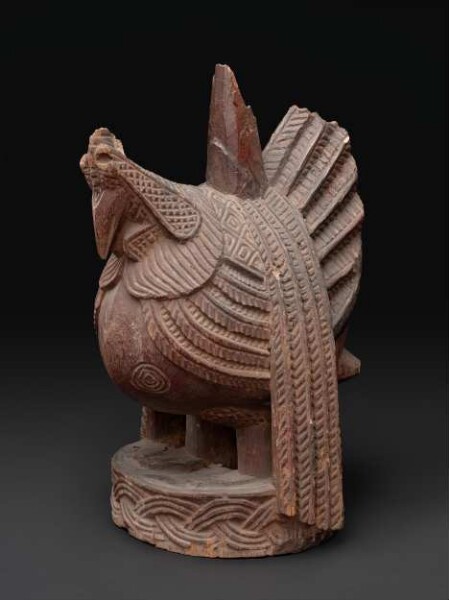
Chicken
Ikenga
Information about the language not available
Save
Shrine figure
This collection item does not have a name in the language of origin. If you know the name or have comments, use this form to contact the data-providing institution.
Save
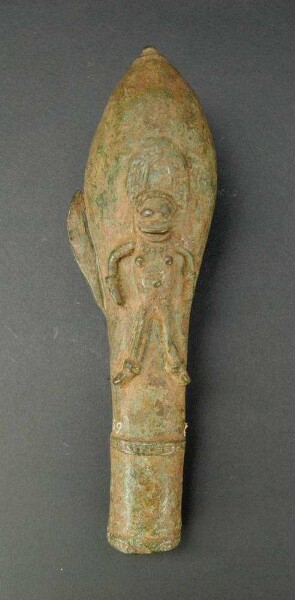
Sceptre
This collection item does not have a name in the language of origin. If you know the name or have comments, use this form to contact the data-providing institution.
Save
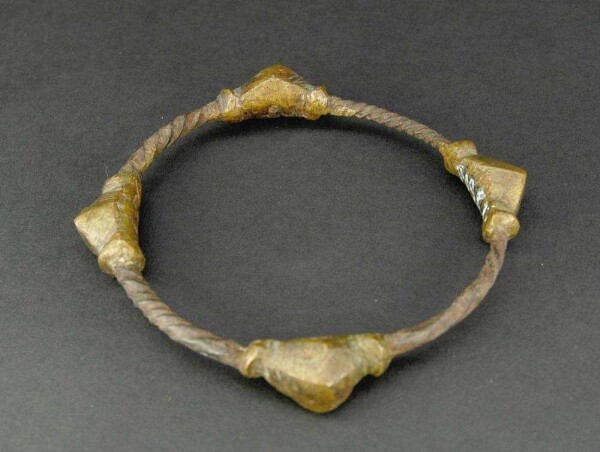
Arm ring
This collection item does not have a name in the language of origin. If you know the name or have comments, use this form to contact the data-providing institution.
Save
Comb
This collection item does not have a name in the language of origin. If you know the name or have comments, use this form to contact the data-providing institution.
Save
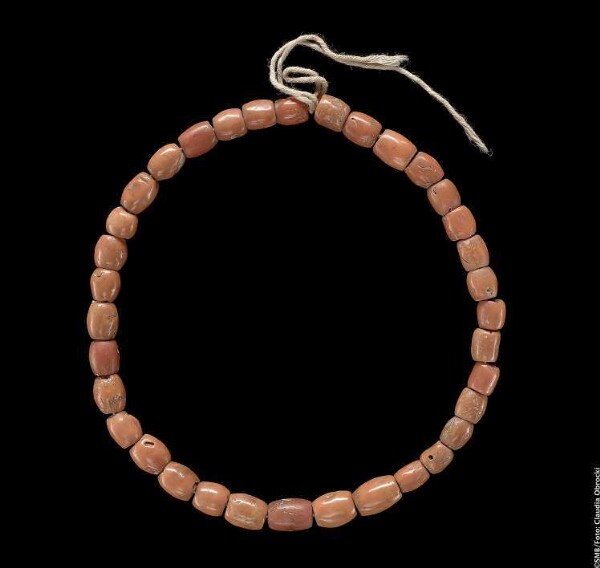
Cord with coral beads
This collection item does not have a name in the language of origin. If you know the name or have comments, use this form to contact the data-providing institution.
Save
Chair leg (Leg of a chair)
This collection item does not have a name in the language of origin. If you know the name or have comments, use this form to contact the data-providing institution.
Save
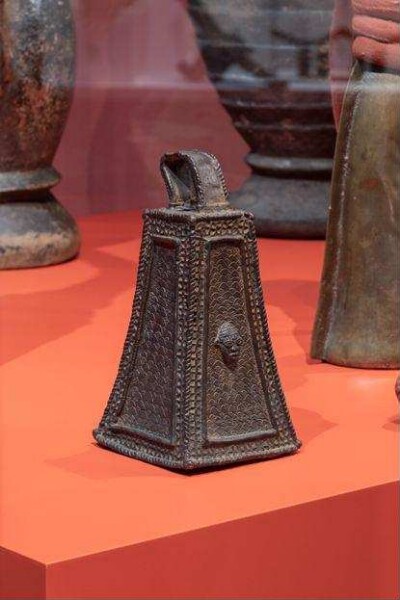
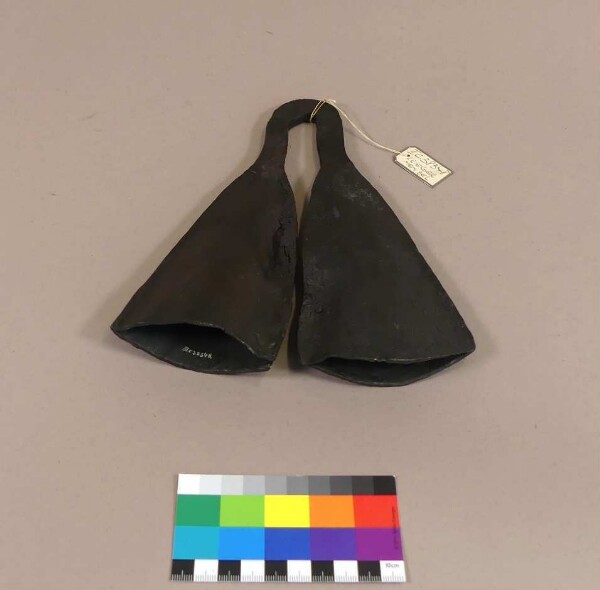
Altar bell
This collection item does not have a name in the language of origin. If you know the name or have comments, use this form to contact the data-providing institution.
Save
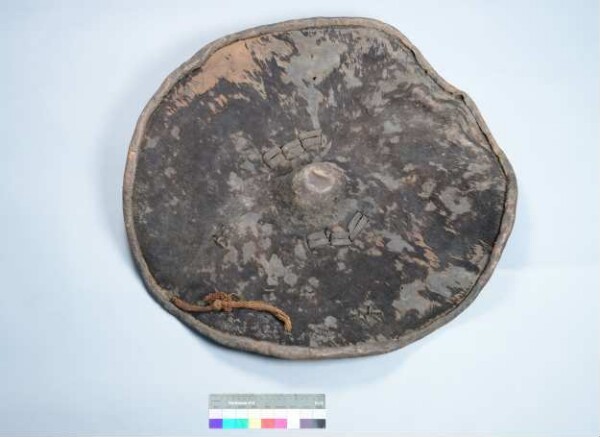
Leather shield
This collection item does not have a name in the language of origin. If you know the name or have comments, use this form to contact the data-providing institution.