In addition to the technically required cookies, our website also uses cookies for statistical evaluation. You can also use the website without these cookies. By clicking on "I agree" you agree that we may set cookies for analysis purposes. You can see and change your cookie settings here.
This collection item does not have a name in the language of origin. If you know the name or have comments, use this form to contact the data-providing institution.
The largely symmetrical object combines the attributes of different species (human, bat, lizard). It appears to depict a bimorphic male twin. The body structure and posture point to anthropomorphic characteristics. The design of the heads, on the other hand, indicates zoomorphic characteristics. Despite their large surface area, the high and low metal mouldings have neither zoomorphic applications nor applied decorations. Due to the deep, triangular recess, the head plate can be interpreted as a feather ornament. This interpretation is supported by a horizontal double bead that runs above the foreheads of the two twin figures. The base plate possibly represents two conical mounds or two mountains on which the bimorph figures stand. Their broad mouths correspond to the zoomorphic stone sculptures of the Palmar group (1550-1000d.C.). The suspended sound discs completely conceal the twin figures depicted. It is only visible when the object is hung horizontally. The incomplete reworking of the pendant seems to indicate its original use as a burial object. (Künne 2005)
This collection item does not have a name in the language of origin. If you know the name or have comments, use this form to contact the data-providing institution.
Save
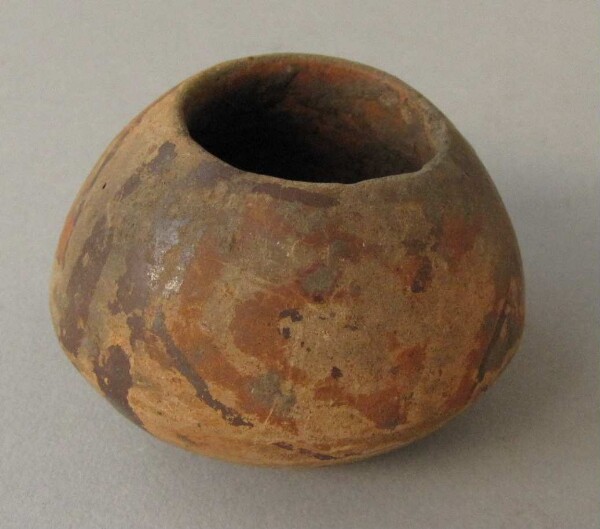
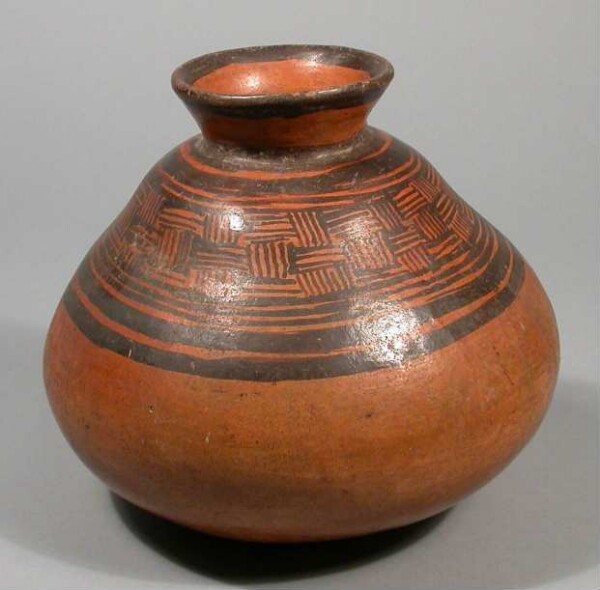
Clay vessel
This collection item does not have a name in the language of origin. If you know the name or have comments, use this form to contact the data-providing institution.
Save
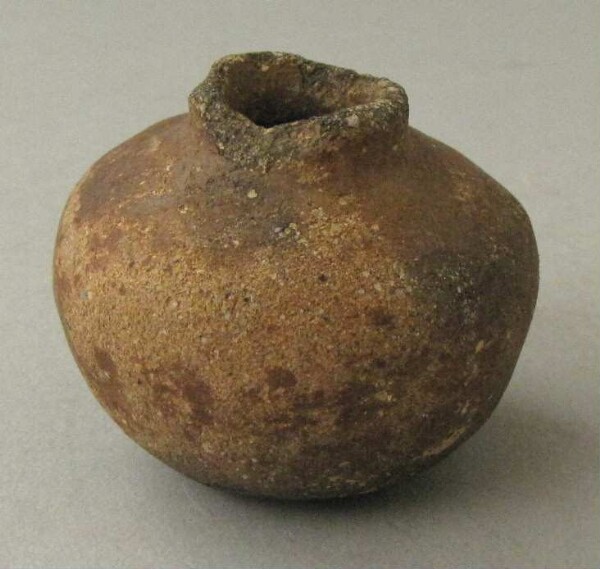
Clay vessel
This collection item does not have a name in the language of origin. If you know the name or have comments, use this form to contact the data-providing institution.
Save
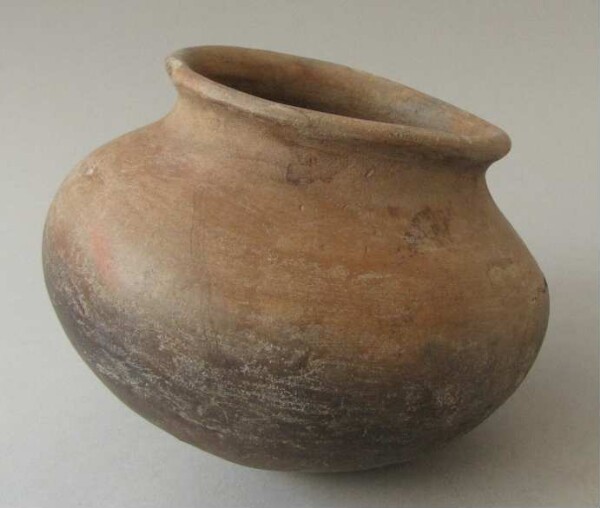
Clay vessel
This collection item does not have a name in the language of origin. If you know the name or have comments, use this form to contact the data-providing institution.
Save
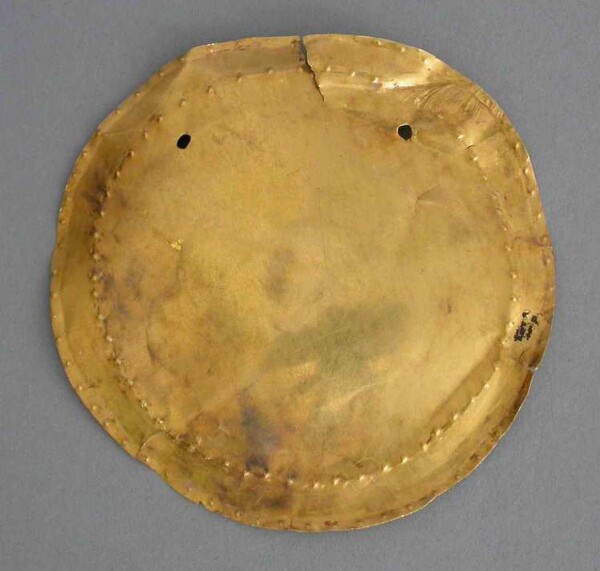
Gold pendant (decorative plate)
This collection item does not have a name in the language of origin. If you know the name or have comments, use this form to contact the data-providing institution.
Save
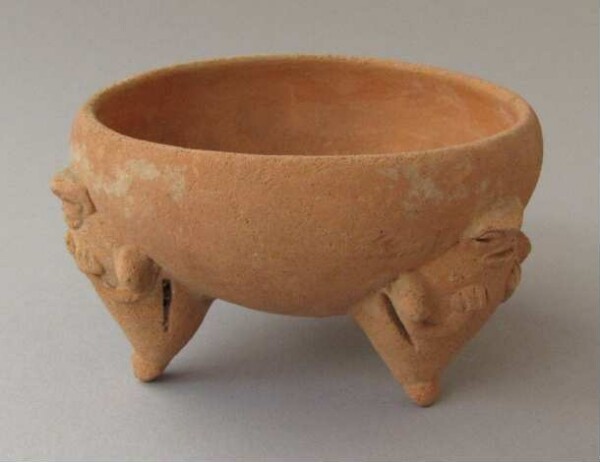
Tripod bowl made of clay
This collection item does not have a name in the language of origin. If you know the name or have comments, use this form to contact the data-providing institution.
Save
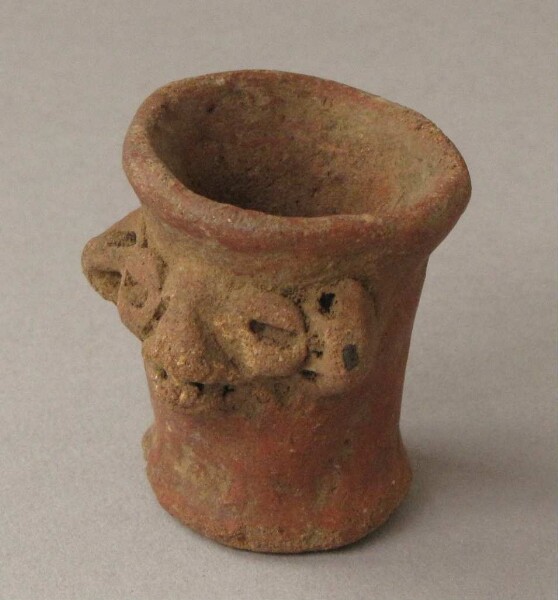
Clay cup (miniature)
This collection item does not have a name in the language of origin. If you know the name or have comments, use this form to contact the data-providing institution.
Save
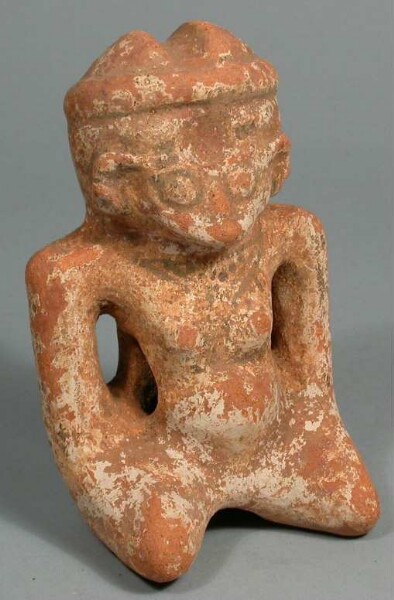
Clay figure
This collection item does not have a name in the language of origin. If you know the name or have comments, use this form to contact the data-providing institution.
Save
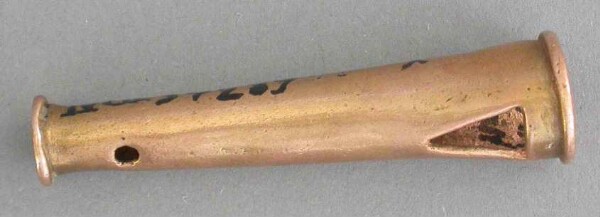
Gold-copper alloy pendant (pipe ?)
This collection item does not have a name in the language of origin. If you know the name or have comments, use this form to contact the data-providing institution.
Save
Clay vessel
This collection item does not have a name in the language of origin. If you know the name or have comments, use this form to contact the data-providing institution.
Save
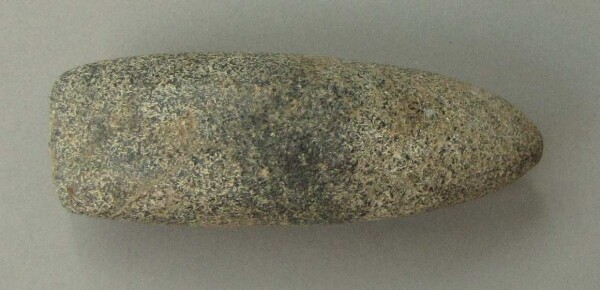
Stone axe blade
This collection item does not have a name in the language of origin. If you know the name or have comments, use this form to contact the data-providing institution.