In addition to the technically required cookies, our website also uses cookies for statistical evaluation. You can also use the website without these cookies. By clicking on "I agree" you agree that we may set cookies for analysis purposes. You can see and change your cookie settings here.
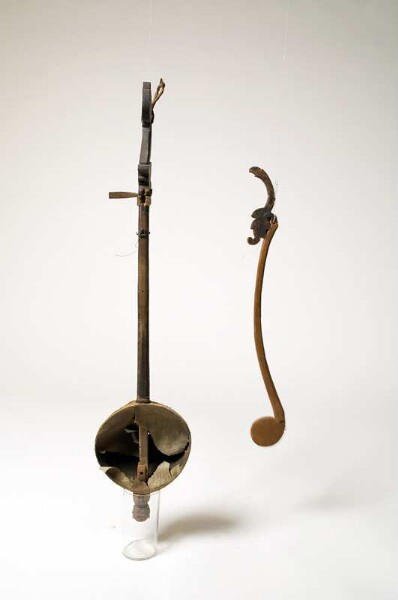
Like no. 122 [III E 5965] The narrow walls of the bowl are slightly sloping on the inside and slightly raised. String guide perforations drilled almost horizontally. One end of the completely preserved string is looped into a knot behind an outer perforation. A small square opening in the bottom of the bowl. from Ulrich Wegner: Afrikanische Saiteninstrumente, Staatliche Museen Berlin - SPK, 1984 (Appendix to the object catalogue)
This collection item does not have a name in the language of origin. If you know the name or have comments, use this form to contact the data-providing institution.
Save
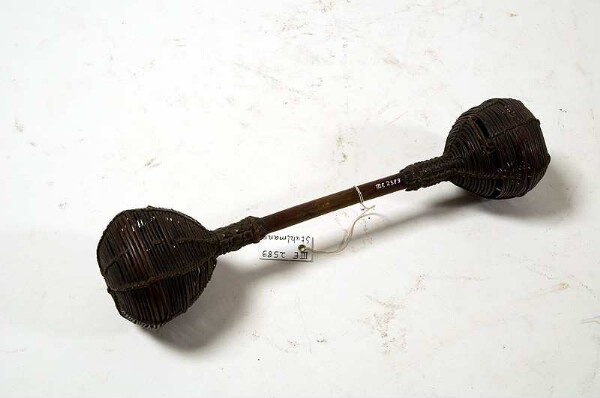
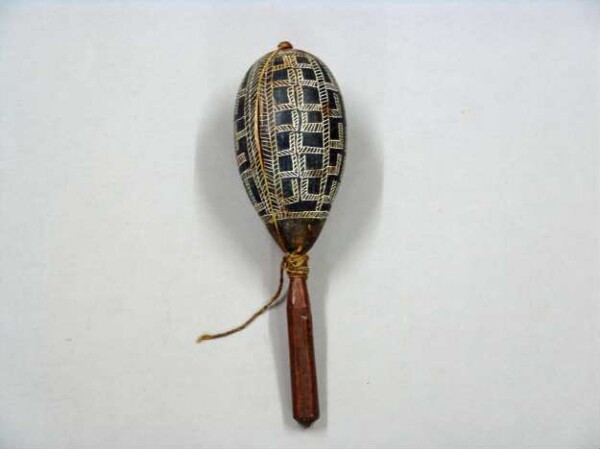
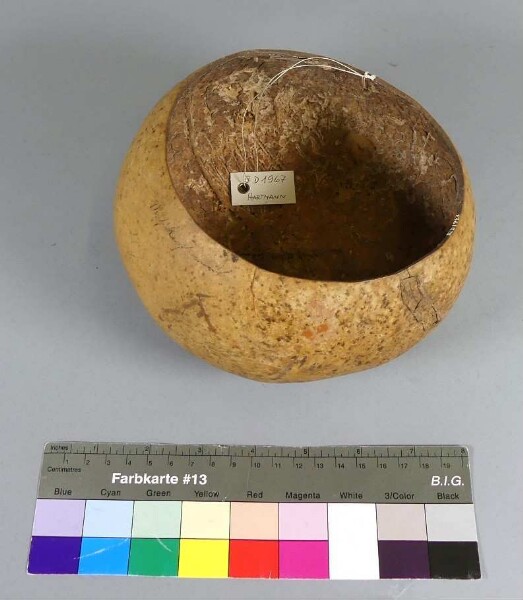
Vessel rattle
geso-geso
Information about the language not available
Save
geso-geso
This collection item does not have a name in the language of origin. If you know the name or have comments, use this form to contact the data-providing institution.
Save
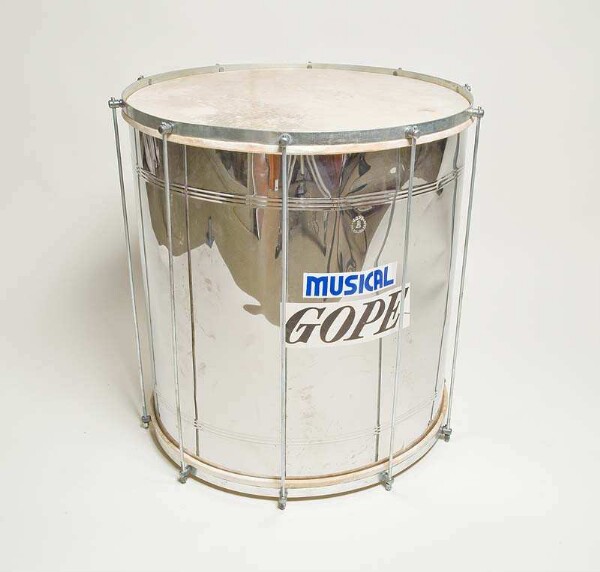
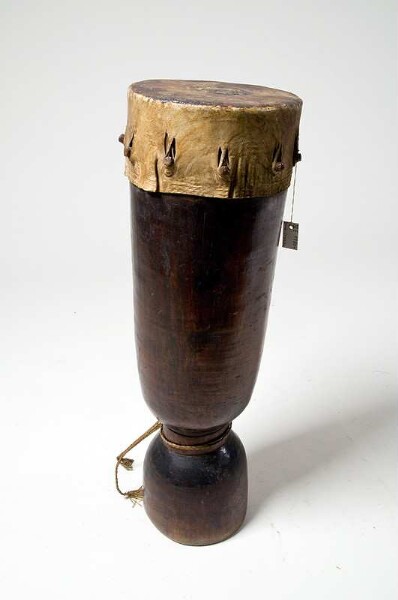
Drum
This collection item does not have a name in the language of origin. If you know the name or have comments, use this form to contact the data-providing institution.
Save
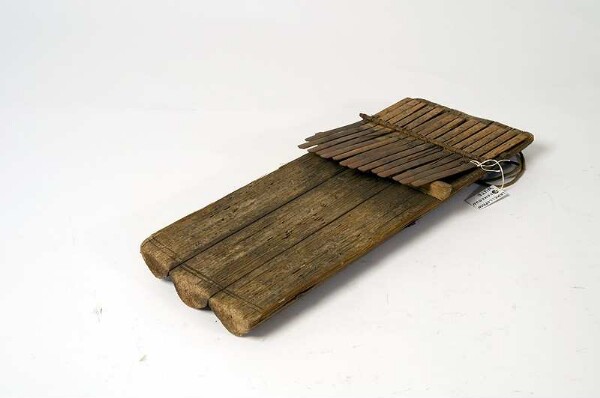
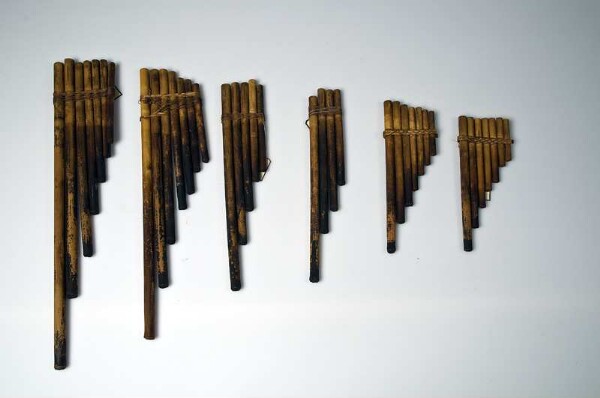
Plucked idiophone with laced reeds and without resonator
nsari
Information about the language not available
Save
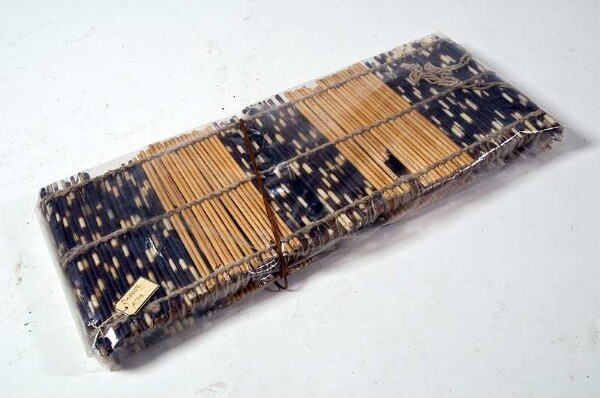
Raft rattle
This collection item does not have a name in the language of origin. If you know the name or have comments, use this form to contact the data-providing institution.
Save
iuaua (?)
This collection item does not have a name in the language of origin. If you know the name or have comments, use this form to contact the data-providing institution.
Save
Dance rattle
This collection item does not have a name in the language of origin. If you know the name or have comments, use this form to contact the data-providing institution.
Save
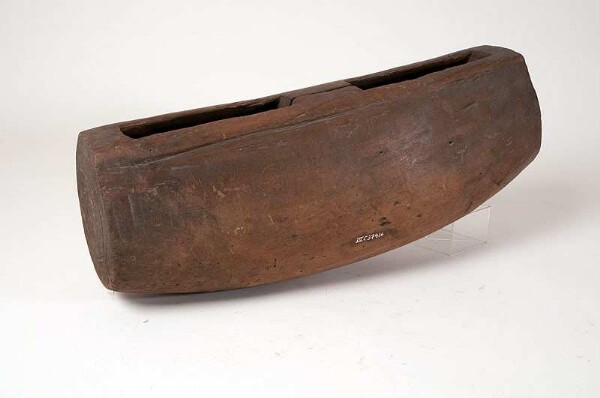
Slotted drum
'au taka'ioro
Information about the language not available
Save
'au taka'ioro
This collection item does not have a name in the language of origin. If you know the name or have comments, use this form to contact the data-providing institution.