In addition to the technically required cookies, our website also uses cookies for statistical evaluation. You can also use the website without these cookies. By clicking on "I agree" you agree that we may set cookies for analysis purposes. You can see and change your cookie settings here.
a) A narrow, elongated board, arched towards the narrow sides with only slightly raised longitudinal edges. [It has four string guide slots. One end of the thick string is tied to a crosspiece under an outer slot, the other [is] wound from there several times towards the edge of the board. A centre rib left standing lengthways and interrupted by V-shaped incisions, towards which the bottom of the bowl slopes. Three iron pins hammered into one end of the string carrier and hung with perforated metal plates. A resonator is not preserved. A linear branding pattern [is] on the underside of the string carrier. "String (chord): ndi. Board: kitiramba. Iron ornamentation: manenge. Resonance: mpera. Incisions: maketa." from Ulrich Wegner: Afrikanische Saiteninstrumente, Staatliche Museen Berlin - SPK, 1984 (appendix object catalogue)
This collection item does not have a name in the language of origin. If you know the name or have comments, use this form to contact the data-providing institution.
Save
Friction idiophone
This collection item does not have a name in the language of origin. If you know the name or have comments, use this form to contact the data-providing institution.
Save
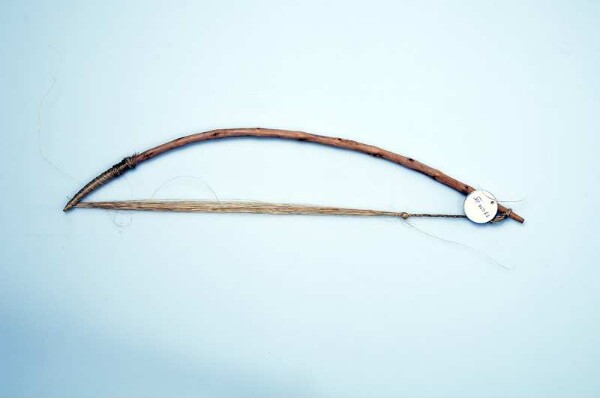
String bow
This collection item does not have a name in the language of origin. If you know the name or have comments, use this form to contact the data-providing institution.
Save
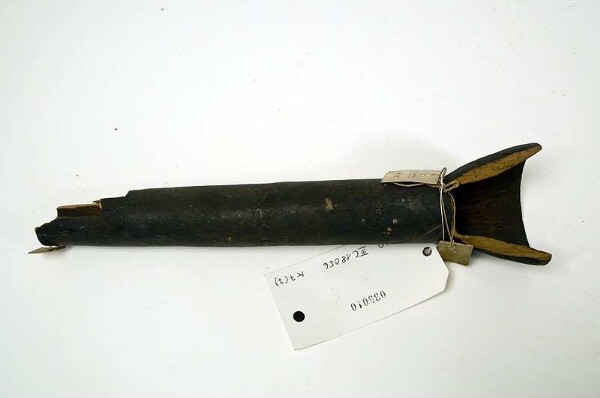
Wooden trumpet
This collection item does not have a name in the language of origin. If you know the name or have comments, use this form to contact the data-providing institution.
Save
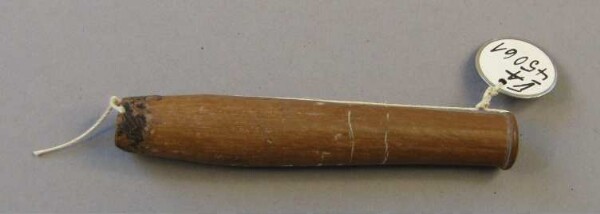
Clay flute
This collection item does not have a name in the language of origin. If you know the name or have comments, use this form to contact the data-providing institution.
Save
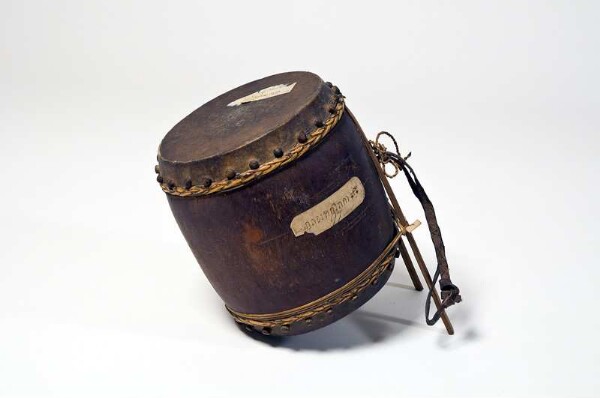
Cylinder drum
babatoni
Information about the language not available
Save
babatoni
This collection item does not have a name in the language of origin. If you know the name or have comments, use this form to contact the data-providing institution.
Save
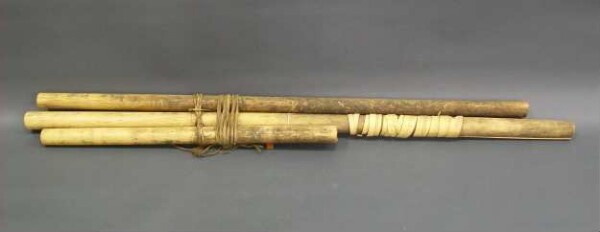
Pan flute
This collection item does not have a name in the language of origin. If you know the name or have comments, use this form to contact the data-providing institution.
Save
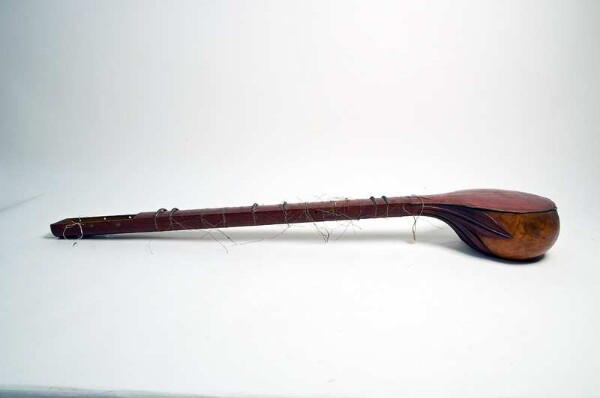
sitar
This collection item does not have a name in the language of origin. If you know the name or have comments, use this form to contact the data-providing institution.
Save
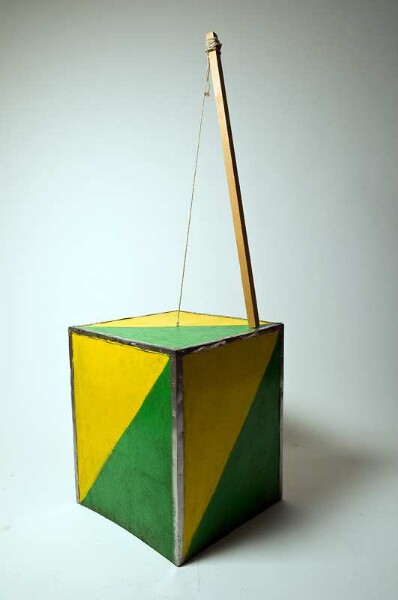
Instrument
pavi*, basari*
Information about the language not available
Save
pavi, basari
This collection item does not have a name in the language of origin. If you know the name or have comments, use this form to contact the data-providing institution.