In addition to the technically required cookies, our website also uses cookies for statistical evaluation. You can also use the website without these cookies. By clicking on "I agree" you agree that we may set cookies for analysis purposes. You can see and change your cookie settings here.
A long round wood - half strongly curved - with two slightly pointed ends. One wire string [present]. A string end looped into a double loop and pushed over the tip of the stick [also]. On the other side, a loop of electric cable bridging the distance between the string and the end of the rod. A spherical calabash resonator open at the bottom. A wire loop running round the bar and the string and tied to a crosspiece inside the resonator. Between the rod and the resonator [is] a cushion ring wrapped in fabric. from Ulrich Wegner: Afrikanische Saiteninstrumente, Staatliche Museen Berlin - SPK, 1984 (Appendix Object Catalogue)
This collection item does not have a name in the language of origin. If you know the name or have comments, use this form to contact the data-providing institution.
Save
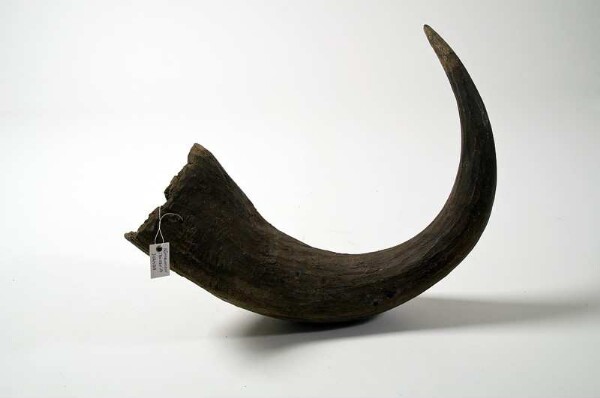
Buffalo horn as a serving vessel
This collection item does not have a name in the language of origin. If you know the name or have comments, use this form to contact the data-providing institution.
Save
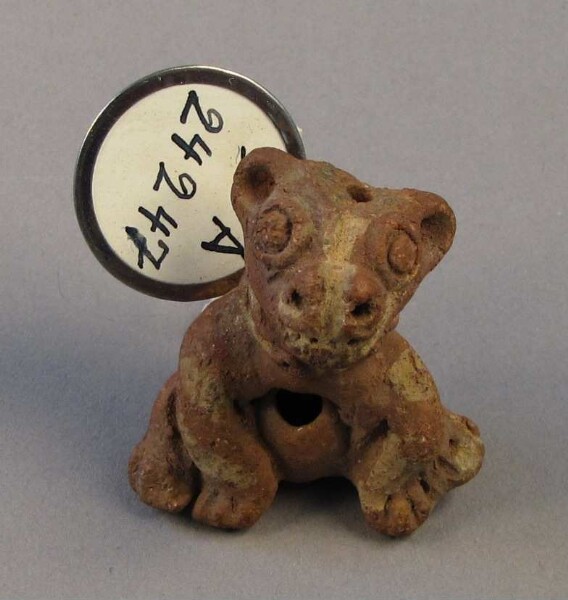
Clay whistle
This collection item does not have a name in the language of origin. If you know the name or have comments, use this form to contact the data-providing institution.
Save
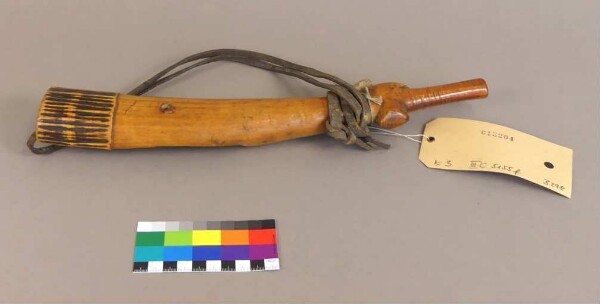
War horn
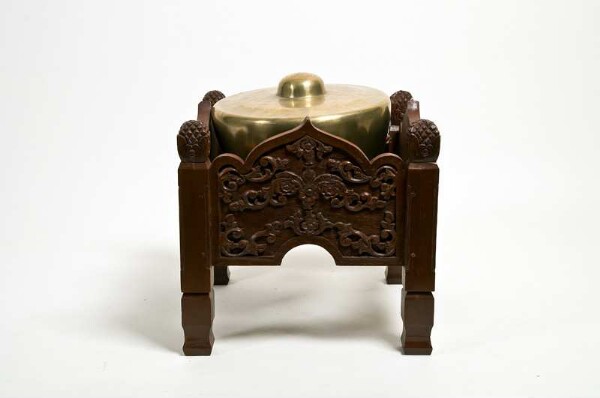
ketuk (Gamelan)
Information about the language not available
Save
ketuk (gamelan)
This collection item does not have a name in the language of origin. If you know the name or have comments, use this form to contact the data-providing institution.
Save
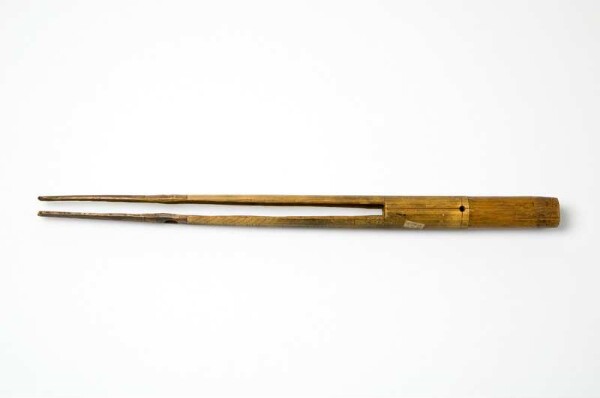
Counter-impact channel or channel flapper
This collection item does not have a name in the language of origin. If you know the name or have comments, use this form to contact the data-providing institution.
Save
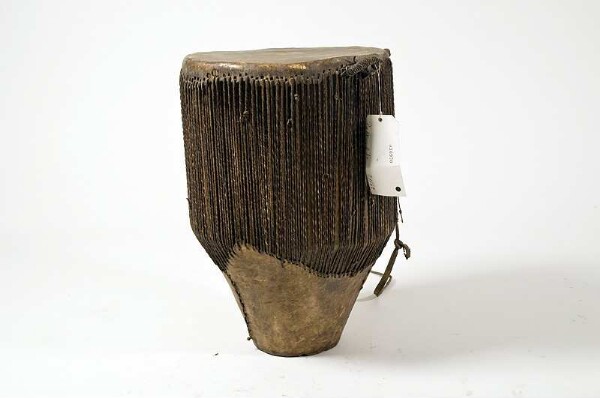
Drum
Gwazogwazo Dan Kidi
Information about the language not available
Save
gwazogwazo & dan kidi
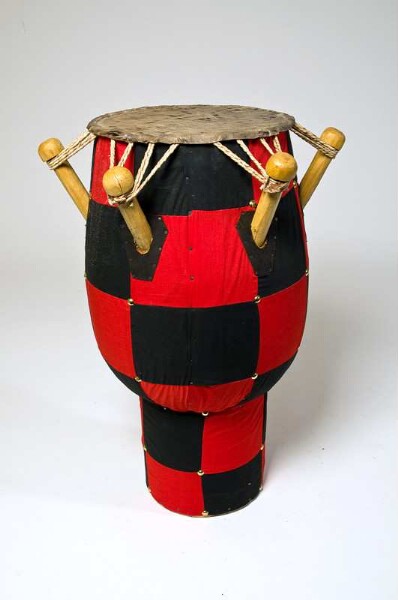
kete
Information about the language not available
Save
kete
This collection item does not have a name in the language of origin. If you know the name or have comments, use this form to contact the data-providing institution.
Save
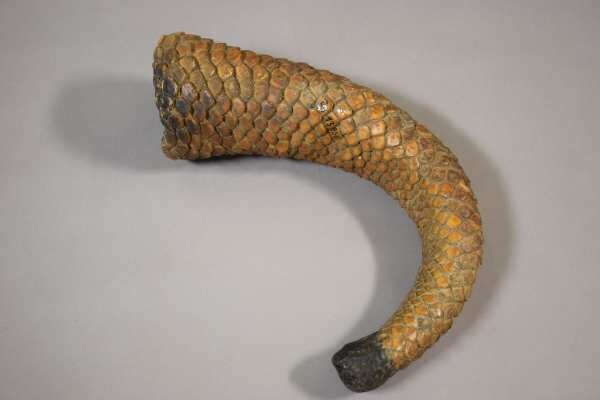
Wind instrument made from an armadillo tail
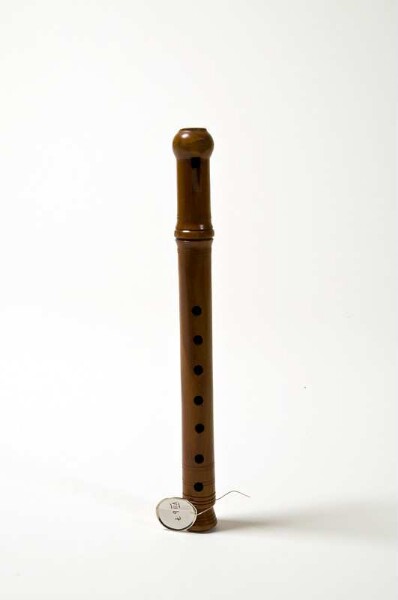
kavali/düdük ?
Information about the language not available
Save
kavali/düdük (?)
Image not available
This collection item does not have a name in the language of origin. If you know the name or have comments, use this form to contact the data-providing institution.