In addition to the technically required cookies, our website also uses cookies for statistical evaluation. You can also use the website without these cookies. By clicking on "I agree" you agree that we may set cookies for analysis purposes. You can see and change your cookie settings here.
This collection item does not have a name in the language of origin. If you know the name or have comments, use this form to contact the data-providing institution.
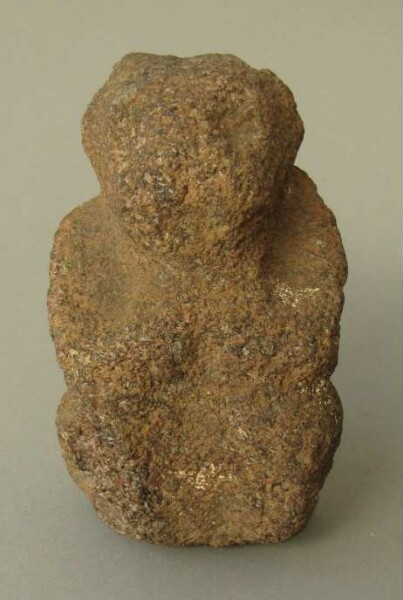
Große anthropomorphe Steinskulptur. Die aufrecht stehende, männliche Figur trägt eine schädelähnliche Gesichtsmaske. Sie besitzt ein deutlich akzentuiertes Gebiß und hervortretende Augen. Ihre Ohren und ihre Nase sind perforiert. Der Kopfschmuck der Gestalt besteht aus einem konischen Federbündel. Ihre Brust wird durch eine Halskette verziert, an der sich eine lange Röhrenperle befindet. Von ihrer Unterseite hängen mehrere vertikale Zierelemente herab. Die Hüfte der Skulptur ist von einem Gürtel bedeckt. Die Figur greift mit ihrer rechten Hand an den Brustschmuck und stützt ihren linken Arm in die Hüfte. Die dargestellte Person besitzt kurze, abgeflachte Füße. Sie hat weder eine Standscheibe noch einen Standzapfen. Die Oberfläche des gut erhaltenen Objekts wurde geglättet. Die inventarisierte Figur nimmt eine standartisierte Pose ein. Ihre Gesichtsmaske spielt möglicherweise auf prähistorische Kopftrophäenkulte an. Symbolische Bedeutung: Vázquez de Coronado berichtete im 16. Jahrhundert, daß die Bewohner der Siedlung Coctu oder Couto (Subregion Diquís) die abgetrennten Köpfe männlicher Kriegsgefangener auf Schädelgerüsten aufhingen oder als Trophäe verwendeten (Fernández Guardia 1964 [1908]: 35, 50). Die Sitte der rituellen Enthauptung ist auch für die kriegerischen Auseinandersetzungen belegt, die im 18. Jahrhundert zwischen den térribe und cabécar stattfanden. Erstere trennten die Köpfe der getöteten Feinden ab, säuberten sie und stellten aus ihnen Schrumpfköpfe her. Ihr Besitz steigerte den sozialen Status des Eigentümers, da die Trophäen ein Wachstum seiner magischen Kräfte verursachen sollten (Stone 1961a: 192-209). Nach einem Schriftstück, das aus dem Jahr 1763 stammt, wurden dem Toten die Schädel ins Grab gegeben, die er zu Lebzeiten erbeutet hatte (Fernández Guardia 1975: 157). Kulturelle Bedeutung: die Zeitstellung der Gruppe kann nicht zweifelsfrei bestimmt werden, da ihre archäologischen Kontexte unbekannt sind. Baudez (1972: 185, Fig. 165) datiert eine ähnliche Skulptur auf die Periode 1525-800d.C. Die Gestaltung der Kopfpartie erinnert an stundenglasähnliche Steinobjekte aus der Region Gran Nicoya, die mit ähnlichen Masken verziert wurden (vgl. Snarskis et al. 2001: 63, Figs. 24, 25). Snarskis erwähnt Figuren, die einen dreistufigen Kopfschmuck tragen (1972: 212, Fig. 197). (Künne 2005)
This collection item does not have a name in the language of origin. If you know the name or have comments, use this form to contact the data-providing institution.
Save
Stone figure
This collection item does not have a name in the language of origin. If you know the name or have comments, use this form to contact the data-providing institution.
Save
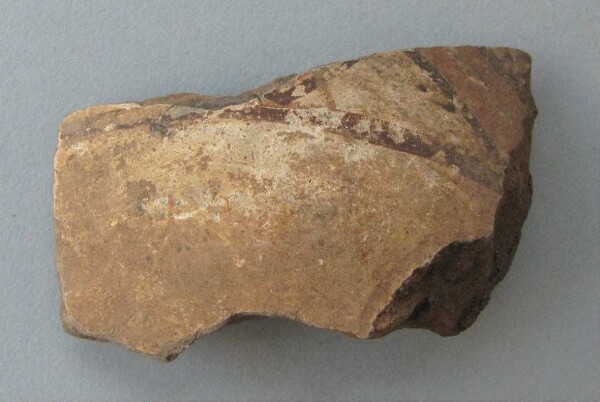
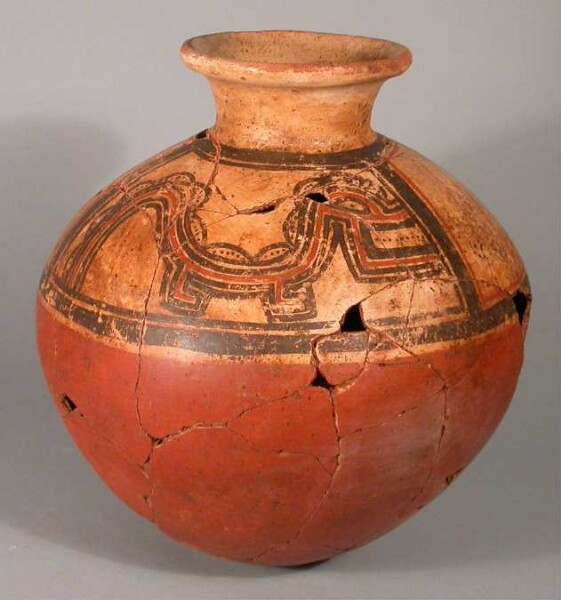
Clay vessel
This collection item does not have a name in the language of origin. If you know the name or have comments, use this form to contact the data-providing institution.
Save
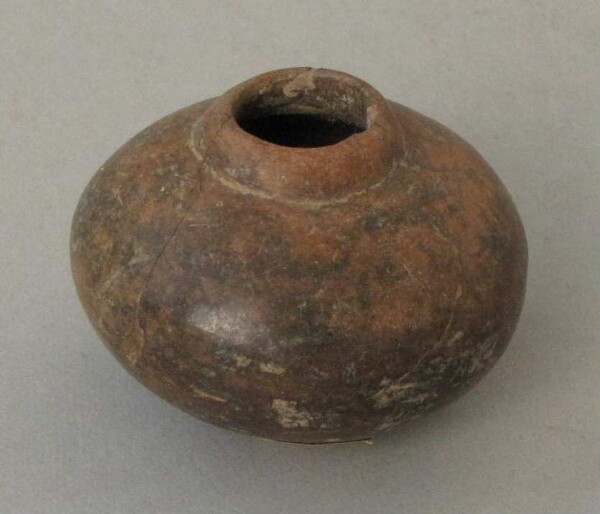
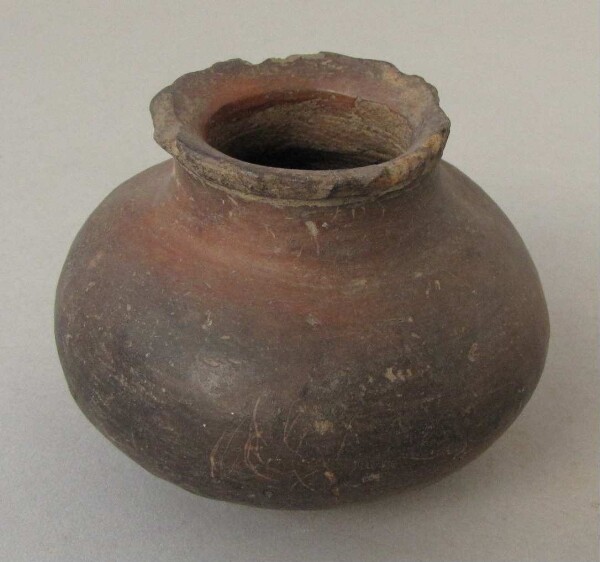
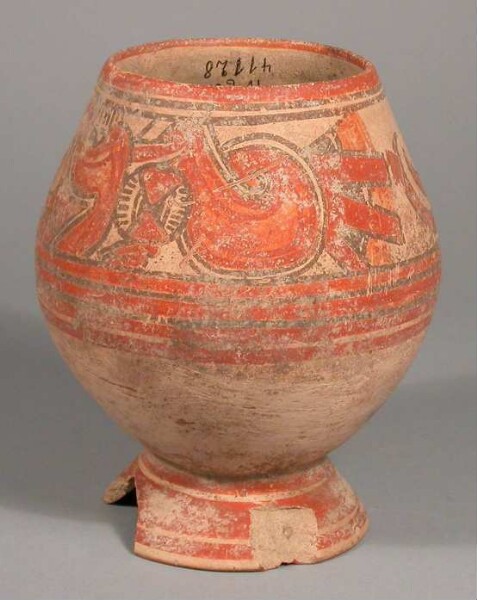
Clay vessel
This collection item does not have a name in the language of origin. If you know the name or have comments, use this form to contact the data-providing institution.
Save
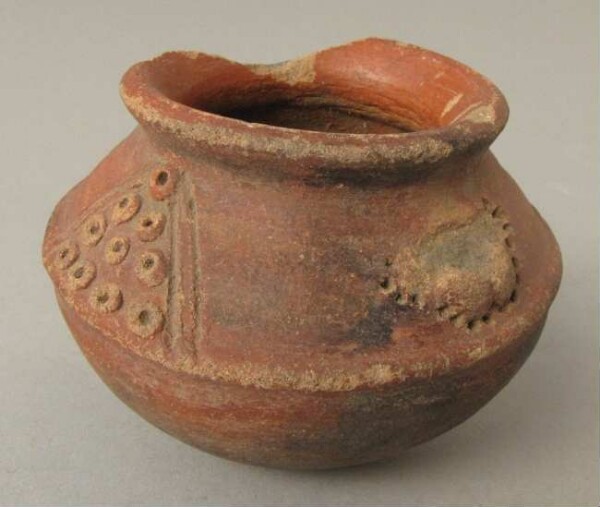
Clay vessel
This collection item does not have a name in the language of origin. If you know the name or have comments, use this form to contact the data-providing institution.
Save
Clay vessel
This collection item does not have a name in the language of origin. If you know the name or have comments, use this form to contact the data-providing institution.
Save
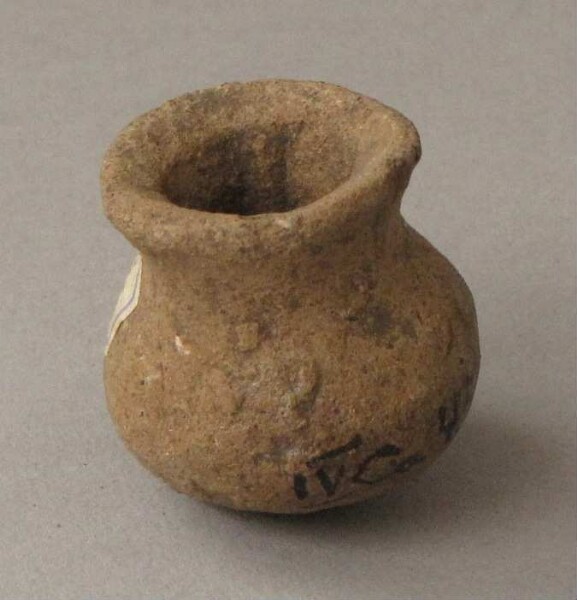
Clay vessel (miniature)
This collection item does not have a name in the language of origin. If you know the name or have comments, use this form to contact the data-providing institution.
Save
Clay vessel
This collection item does not have a name in the language of origin. If you know the name or have comments, use this form to contact the data-providing institution.
Save
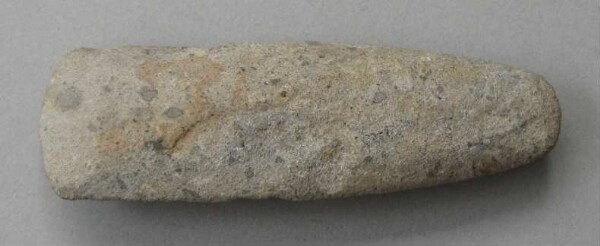
Stone axe blade
This collection item does not have a name in the language of origin. If you know the name or have comments, use this form to contact the data-providing institution.
Save
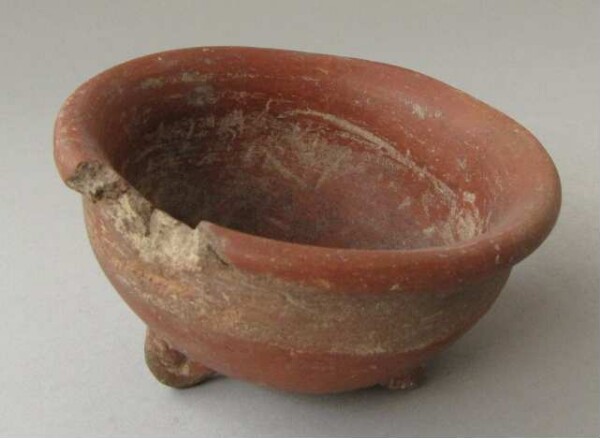
Clay bowl
This collection item does not have a name in the language of origin. If you know the name or have comments, use this form to contact the data-providing institution.
Save
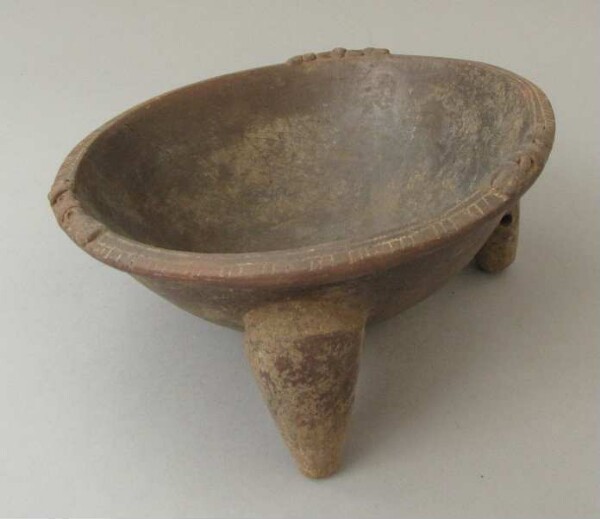
Clay vessel
This collection item does not have a name in the language of origin. If you know the name or have comments, use this form to contact the data-providing institution.