In addition to the technically required cookies, our website also uses cookies for statistical evaluation. You can also use the website without these cookies. By clicking on "I agree" you agree that we may set cookies for analysis purposes. You can see and change your cookie settings here.
This collection item does not have a name in the language of origin. If you know the name or have comments, use this form to contact the data-providing institution.
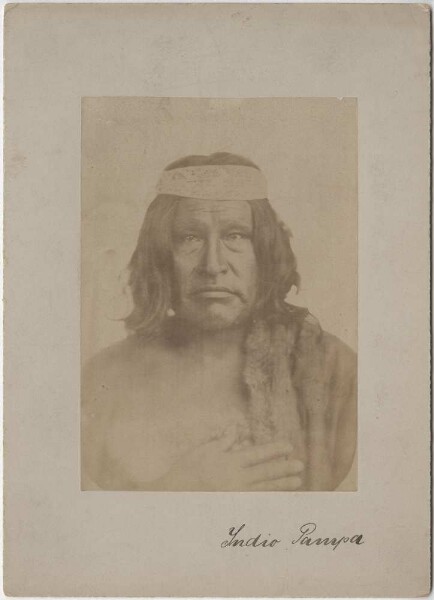
According to Vogt 1902 (see below), Carl de la Hitte from the museum in La Plata travelled to the upper Paraná in 1894 and, accompanied by Dr H. Ten Kate, in 1896/97, where they studied the "Guayakí". De la Hitte published the "Notes ethnographiques" in La Plata in 1897 (available at the IAI). Vogt interprets the animal skin headdress as a sign of the cacique (p. 36); the stone axe in the picture is made of diorite and a style of light wood. Caption in Ehrenreich 1898 (see below): "Fig. 3: Guayaki from Encarnacion 1894, after a photograph by La Hitte. Ibid. Plate I, 3."; Ehrenreich writes about the depicted Indian, who is only 1.52 metres tall and has been photographed in four different postures, that he is the "only adult [of the Guayaki] observed in detail to date". Literature: Vogt, P.F. 1902. Material on the ethnography and language of the Guayaki Indians. In: Zeitschrift für Ethnologie (Berlin) 34: 30-45 Ehrenreich, Paul. 1898. new information on the Guayaki (Stone Age people) in Paraguay. In: Globus 73: 73-78, Fig. 3. p. 74
This collection item does not have a name in the language of origin. If you know the name or have comments, use this form to contact the data-providing institution.
Save
The cacique Casimiro Biguá (1820-1873) (Tehuelche)
This collection item does not have a name in the language of origin. If you know the name or have comments, use this form to contact the data-providing institution.
Save
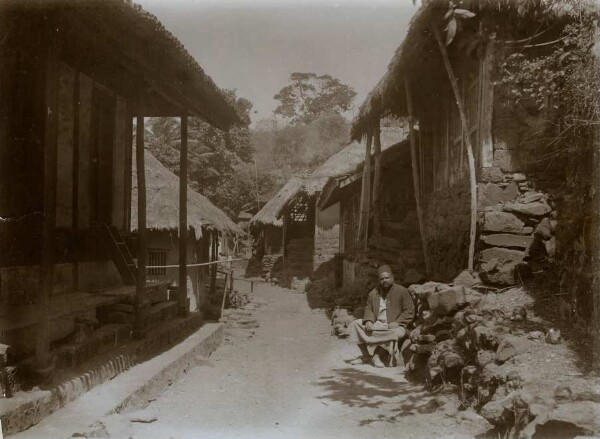
Village scene
This collection item does not have a name in the language of origin. If you know the name or have comments, use this form to contact the data-providing institution.
Save
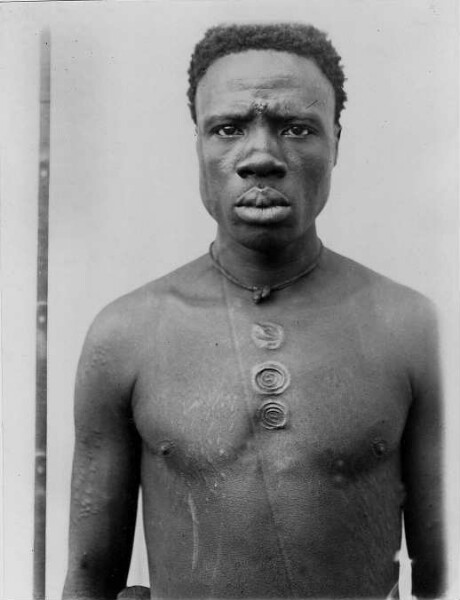
Man with scar tattoo
This collection item does not have a name in the language of origin. If you know the name or have comments, use this form to contact the data-providing institution.
Save
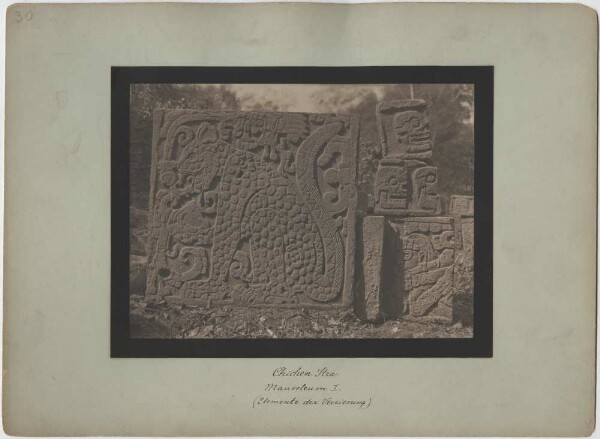
"Mausoleum I. Elements of the decoration of the 'Tzompantli' and the eagle and jaguar platform."
This collection item does not have a name in the language of origin. If you know the name or have comments, use this form to contact the data-providing institution.
Save
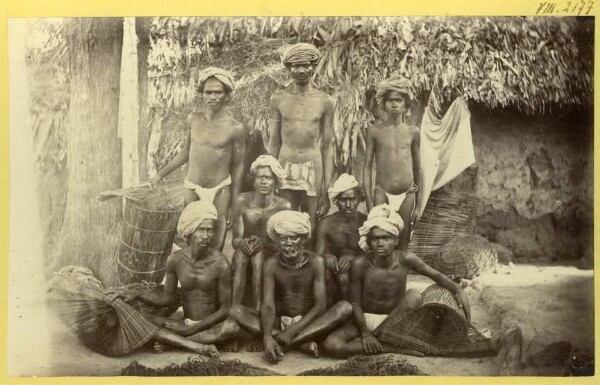
Group photo of men and boys from a village community
This collection item does not have a name in the language of origin. If you know the name or have comments, use this form to contact the data-providing institution.
Save
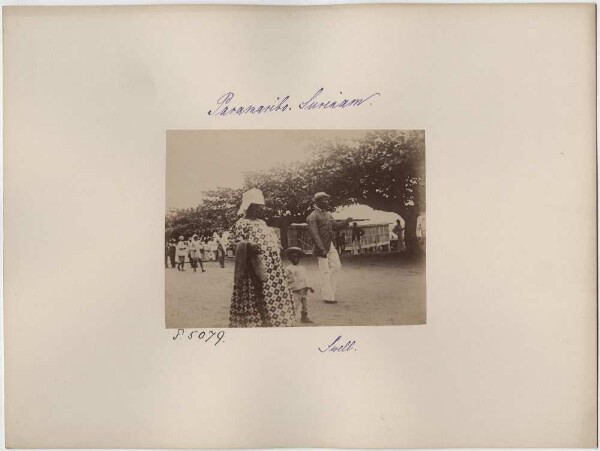
Street scene in Paramaribo
This collection item does not have a name in the language of origin. If you know the name or have comments, use this form to contact the data-providing institution.
Save
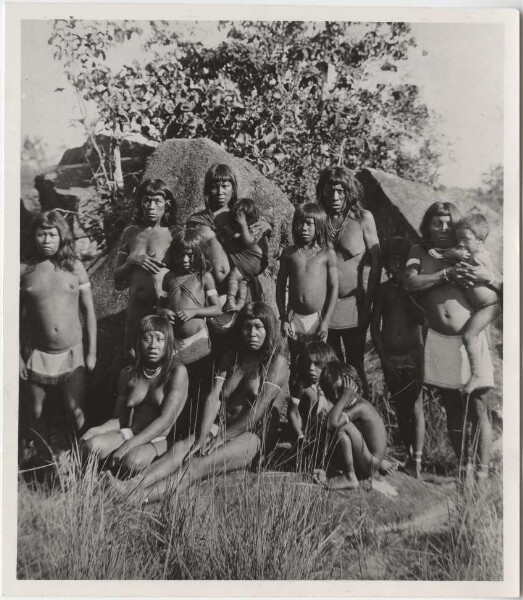
Group of women with beaded aprons Arekuna
This collection item does not have a name in the language of origin. If you know the name or have comments, use this form to contact the data-providing institution.
Save
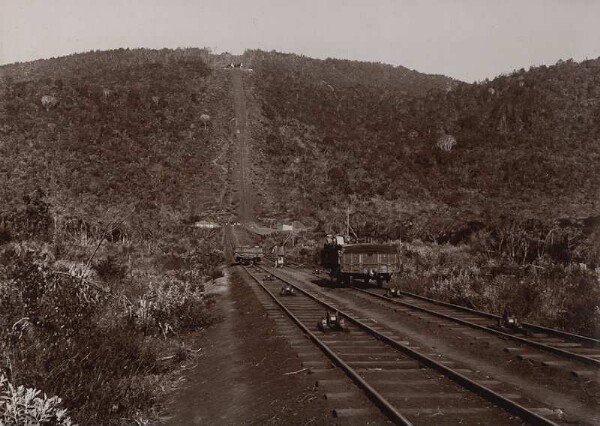
Escarpment from the Viedong Valley
This collection item does not have a name in the language of origin. If you know the name or have comments, use this form to contact the data-providing institution.
Save
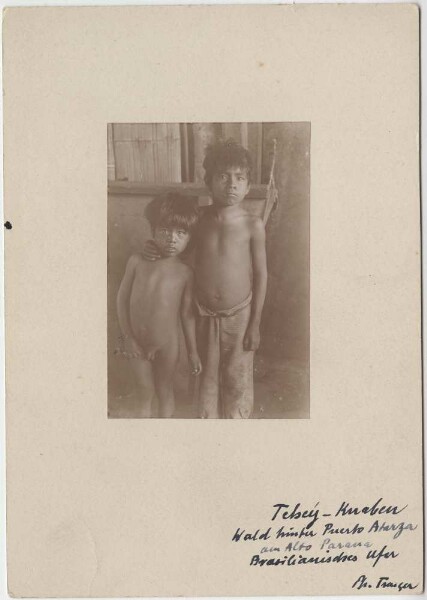
Indian boys ("Tehey")
This collection item does not have a name in the language of origin. If you know the name or have comments, use this form to contact the data-providing institution.
Save
Chocófrau colours material into baskets
This collection item does not have a name in the language of origin. If you know the name or have comments, use this form to contact the data-providing institution.