In addition to the technically required cookies, our website also uses cookies for statistical evaluation. You can also use the website without these cookies. By clicking on "I agree" you agree that we may set cookies for analysis purposes. You can see and change your cookie settings here.
This collection item does not have a name in the language of origin. If you know the name or have comments, use this form to contact the data-providing institution.
Depictions of pages with fans can be found on many relief panels depicting the king, dignitaries or high-ranking military officers. During ceremonies in which these people appeared in elaborate robes with heavy jewellery, fans primarily had a practical function, but they were also used for ritual purposes: Court dwarves prayed over a fan for the welfare of the king; medicine blown over a fan could weaken an opponent. Fans were usually made from dried skin. Fans made of brass were reserved for the king.
Weight: 1,7 kg Height: 40,8 cm Depth: 2,3 cm Width: 18,5 cm
Material/Technique
Brass, copper alloy
Current location
Ethnologisches Museum, Staatliche Museen zu Berlin
Inventory number
III C 8456
Provenance and sources
Production
where
Benin [kingdom]
Production
when
16th century
where
Nigeria
Collecting
who
Heinrich Bey - Collectors
Change of legal title: Acquisition
Description
16th cent, commissioned by Oba Esigie (r. 1517-1550) or his son Oba Orhogbua (r. 1550-1570), Royal Palace, Benin City; by inheritance to Oba Ovonramwen (ca. 1857-1914; r. 1888-97), Royal Palace, Benin City; looted in connection with the British conquest of Benin, 1897; in unknown possession after the conquest of the Kingdom of Benin; collected on behalf of the firm Bey & Co, between 1897 and 1898 in the territory of later colonial Nigeria; sold to the Königliches Museum für Völkerkunde in Berlin, 1899.
This collection item does not have a name in the language of origin. If you know the name or have comments, use this form to contact the data-providing institution.
Save
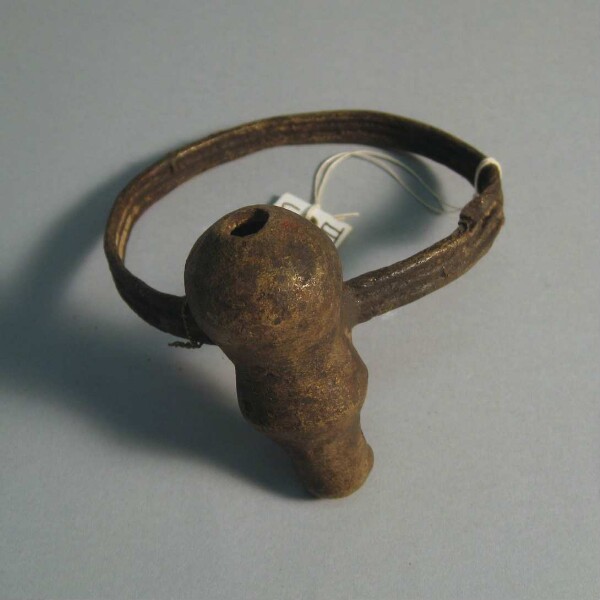
Arm ring
This collection item does not have a name in the language of origin. If you know the name or have comments, use this form to contact the data-providing institution.
Save
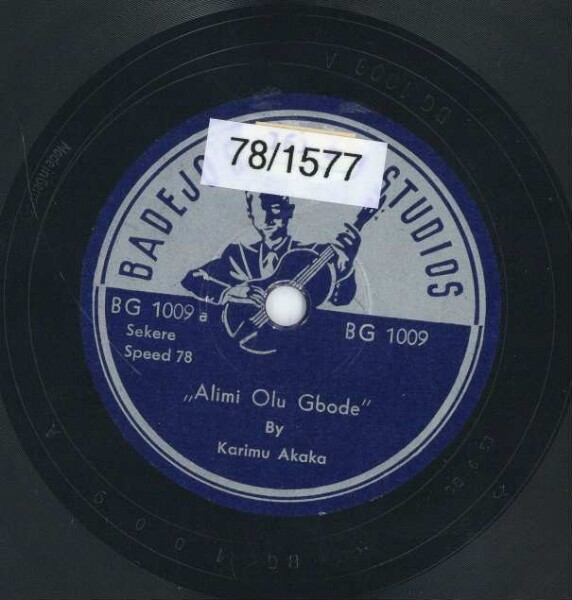
Title A: "Alimi olu gbode" Title B: "Raimi onifade"
This collection item does not have a name in the language of origin. If you know the name or have comments, use this form to contact the data-providing institution.
Save
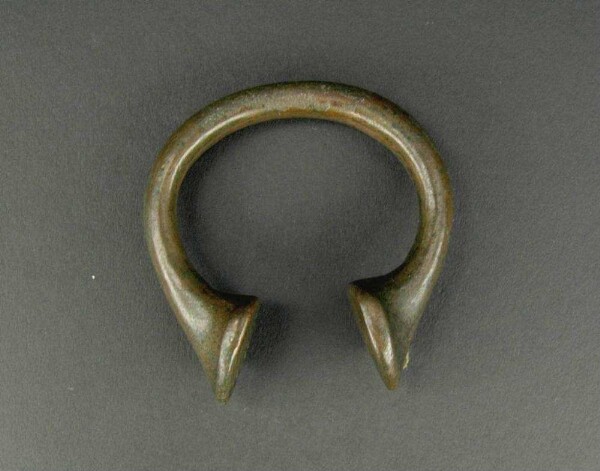
Money ring manilla
This collection item does not have a name in the language of origin. If you know the name or have comments, use this form to contact the data-providing institution.
Save
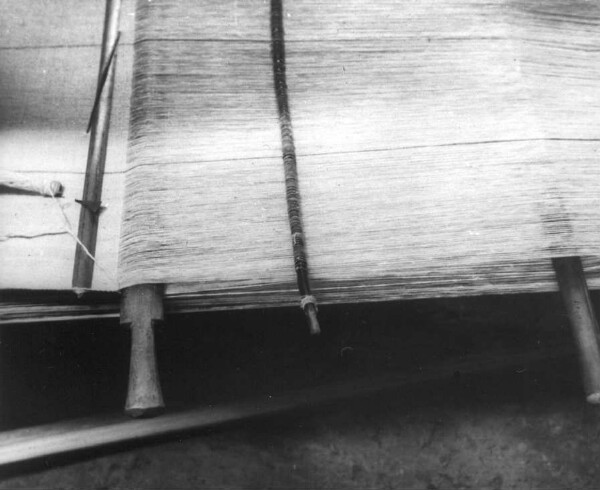
Women's loom
This collection item does not have a name in the language of origin. If you know the name or have comments, use this form to contact the data-providing institution.
Save
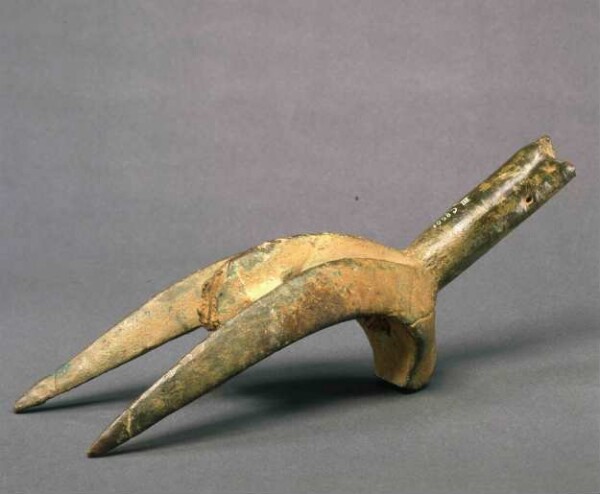
Bird's claw
This collection item does not have a name in the language of origin. If you know the name or have comments, use this form to contact the data-providing institution.
Save
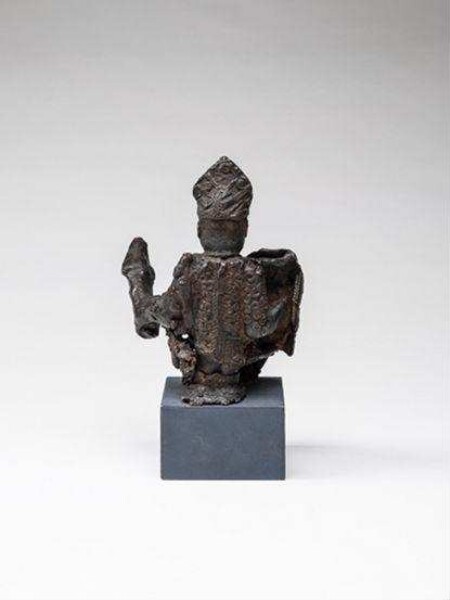
Figure, man with headdress, spear and shield
This collection item does not have a name in the language of origin. If you know the name or have comments, use this form to contact the data-providing institution.
Save
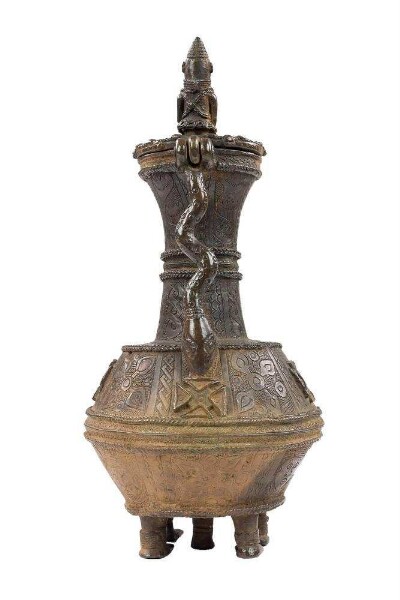
Lidded jug with rich onamentation, iru vessel
This collection item does not have a name in the language of origin. If you know the name or have comments, use this form to contact the data-providing institution.
Save
Amulet
This collection item does not have a name in the language of origin. If you know the name or have comments, use this form to contact the data-providing institution.
Save
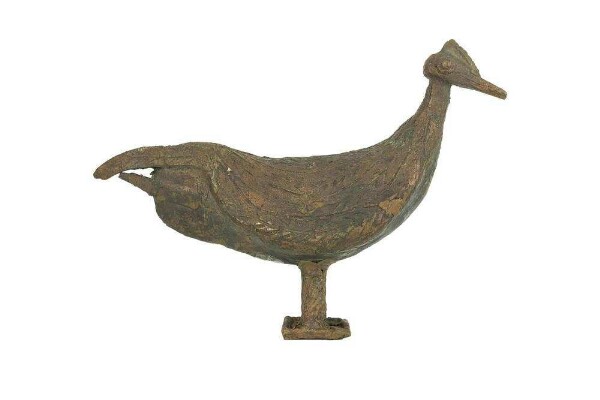
Animal sculpture: Bird
This collection item does not have a name in the language of origin. If you know the name or have comments, use this form to contact the data-providing institution.