In addition to the technically required cookies, our website also uses cookies for statistical evaluation. You can also use the website without these cookies. By clicking on "I agree" you agree that we may set cookies for analysis purposes. You can see and change your cookie settings here.
This collection item does not have a name in the language of origin. If you know the name or have comments, use this form to contact the data-providing institution.
Große, anthropomorphe Steinskulptur. Die aufrecht stehende, männliche Figur hat einen kurzen, knubbenförmigen Standzapfen. Sie trägt eine runde, unverzierte Kappe, die ihren stark formalisierten Kopf bedeckt. Die weitgehend nackte Gestalt besitzt breite Schultern und Hüften. An ihrem übergroßen Torso setzen zwei kurze, gedrungene Beine an. Der schmale Rumpf der Plastik wird durch zwei vertikale Perforationen von den Armen getrennt, die ausgestreckt am Körper herunter hängen. Die Beine des breit abgeflachten Wesens sind nicht miteinander verbunden. Die Gestalt besitzt prankenähnliche Hände und Füße, die unterschiedlich viele Finger bzw. Zehen haben. Das Objekt weist eine klare vertikale Gliederung auf, die durch gravierte Linien unterstützt wird. Hals-, Arm-, Hand- und Fußansätze der Skulptur wurden besonders betont. Die leicht erodierte Plastik scheint einen Halsschmuck zu tragen. Stone (1968: 42, Fig. 3f) stellt eine ähnliche Figur vor. Ihre Schultern besitzen gravierte Verzierungen, die wahrscheinlich auf Flechtwerk anspielen. Armbeugen, Handgelenke und Kniekehlen der vergleichbaren Skulptur weisen weitere Kleidungselemente auf. Die zusätzlichen Verzierungen des Objekts deuten vielleicht darauf hin, daß die inventarisierte Steinarbeit unvollendet blieb. Soziale Bedeutung: Lothrop vermutet, daß die zentralen Wohnplattformen der Perioden VI und V mit großen anthropomorphen Figuren verziert waren. Sie verkörperten möglicherweise ein steinernes Abbild des Haushaltsoberhaupts, das nach dem Tod der Person rituell getötet und begraben wurde (1963: 26). Symbolische Bedeutung: derselbe Autor (1963: 25-38, Pl. VIII-XXI) unterscheidet götter- und menschenähnliche Skulpturen, die vor allem männliche Gestalten verkörpern. Sie können mindestens acht verschiedene Armhaltungen einnehmen (1963: 28, Fig. 7). Die götterähnlichen Plastiken besitzen bimorphe Charakteristika oder tragen eine Augenmaske. Anthropomorphe Skulpturen thematisieren dagegen vor allem das Gefangenen-, das Kopftrophäen-, das Stab- und das Gebetsmotiv. (Künne 2005) Weitere Informationen zur kulturellen Bedeutungg konnten wegen technischer Probleme von Museum Plus nicht in die lange Beschreibung integriert werden.
This collection item does not have a name in the language of origin. If you know the name or have comments, use this form to contact the data-providing institution.
Save
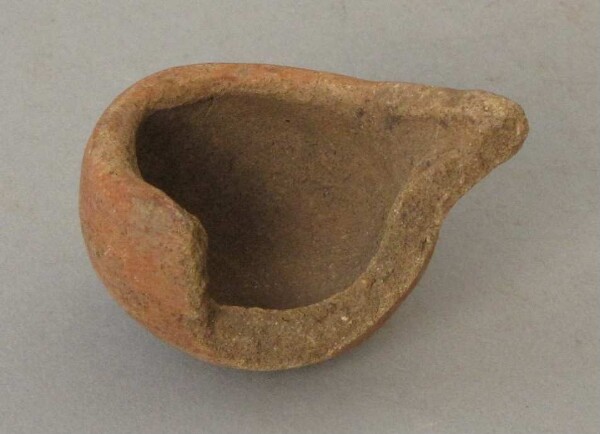
Ladle
This collection item does not have a name in the language of origin. If you know the name or have comments, use this form to contact the data-providing institution.
Save
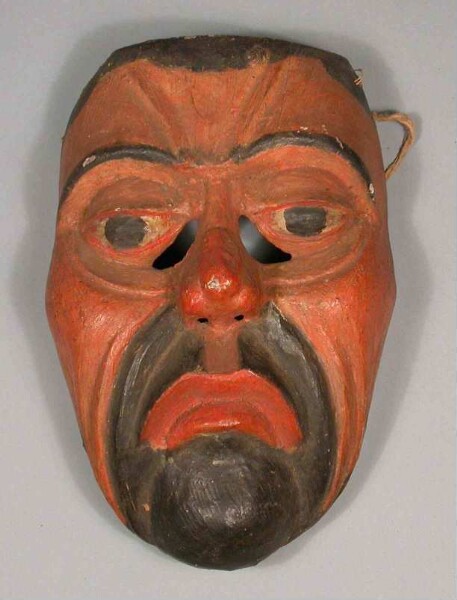
Wooden mask
This collection item does not have a name in the language of origin. If you know the name or have comments, use this form to contact the data-providing institution.
Save
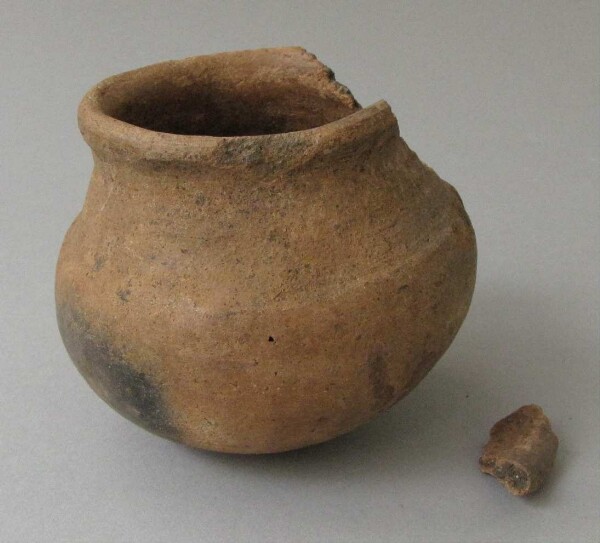
Clay vessel
This collection item does not have a name in the language of origin. If you know the name or have comments, use this form to contact the data-providing institution.
Save
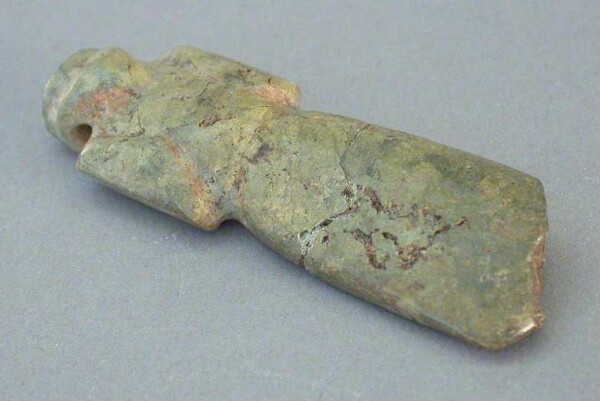
Stone pendant
This collection item does not have a name in the language of origin. If you know the name or have comments, use this form to contact the data-providing institution.
Save
Clay vessel base
This collection item does not have a name in the language of origin. If you know the name or have comments, use this form to contact the data-providing institution.
Save
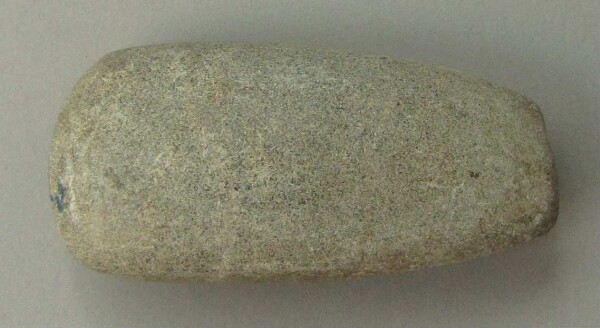
Stone axe blade
This collection item does not have a name in the language of origin. If you know the name or have comments, use this form to contact the data-providing institution.
Save
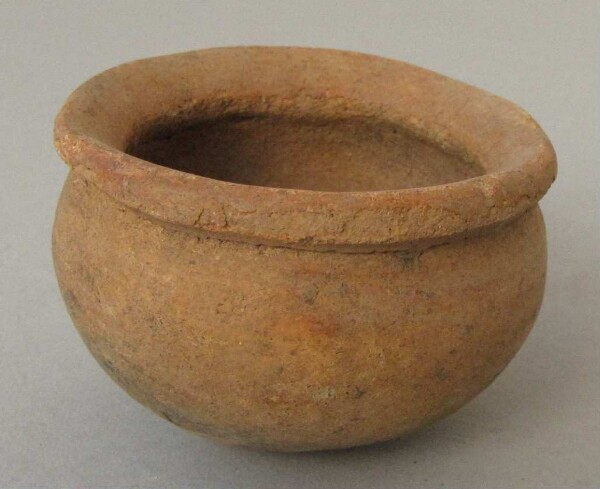
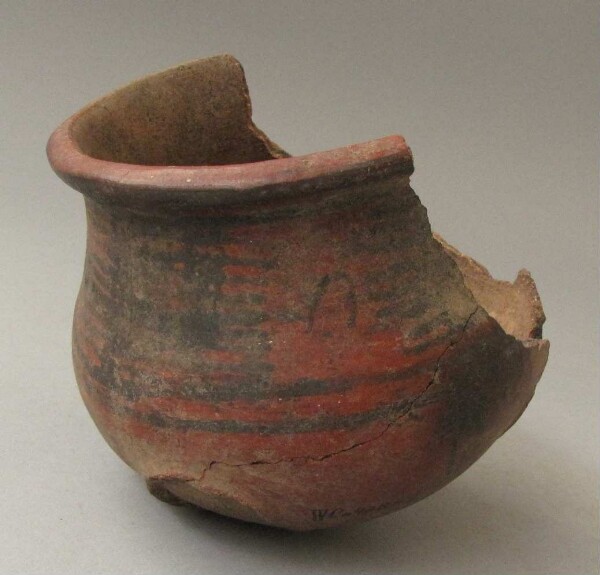
Clay vessel
This collection item does not have a name in the language of origin. If you know the name or have comments, use this form to contact the data-providing institution.
Save
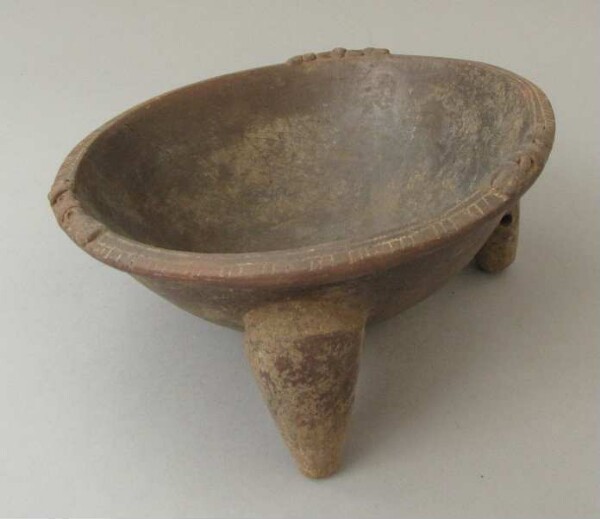
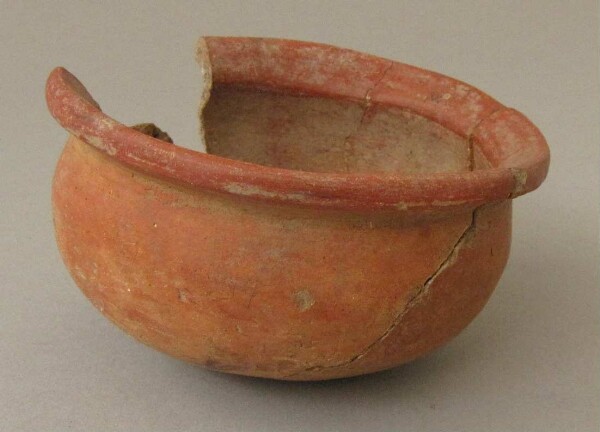
Clay bowl
This collection item does not have a name in the language of origin. If you know the name or have comments, use this form to contact the data-providing institution.
Save
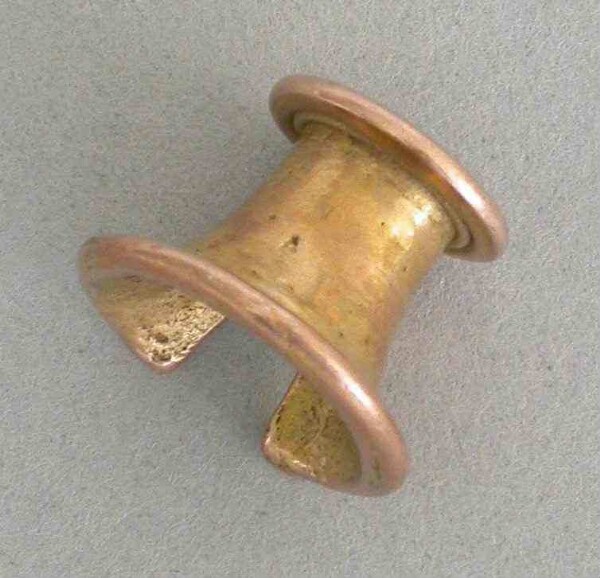
Pendant (lip peg)
This collection item does not have a name in the language of origin. If you know the name or have comments, use this form to contact the data-providing institution.
Save
Clay vessel
This collection item does not have a name in the language of origin. If you know the name or have comments, use this form to contact the data-providing institution.