In addition to the technically required cookies, our website also uses cookies for statistical evaluation. You can also use the website without these cookies. By clicking on "I agree" you agree that we may set cookies for analysis purposes. You can see and change your cookie settings here.
This collection item does not have a name in the language of origin. If you know the name or have comments, use this form to contact the data-providing institution.
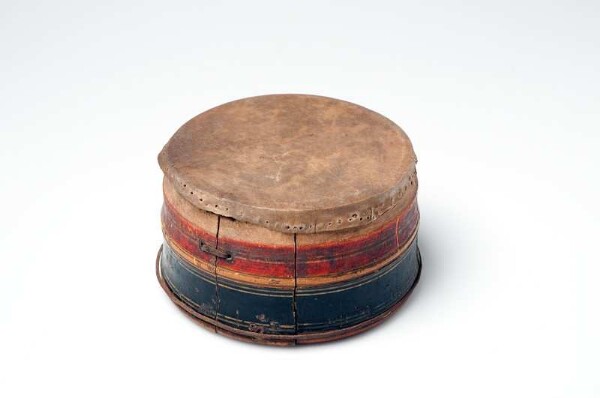
The body is a cylindrical wooden body with a closed bottom surface and a pegged mammal skin membrane. A round wooden stick as a string carrier. The peg is missing. A string fragment made of twisted plant fibre. A carved wall reinforcement running halfway around the body cylinder is pierced at the side by a large rectangular opening. Four notches on the back of the neck (probably for attaching a tuning sling). The base curves upwards to form a tenon process carved in the centre. "Is struck close to the drum with a moistened reed. Mangandsche." from Ulrich Wegner: Afrikanische Saiteninstrumente, Staatliche Museen Berlin - SPK, 1984 (appendix object catalogue)
This collection item does not have a name in the language of origin. If you know the name or have comments, use this form to contact the data-providing institution.
Save
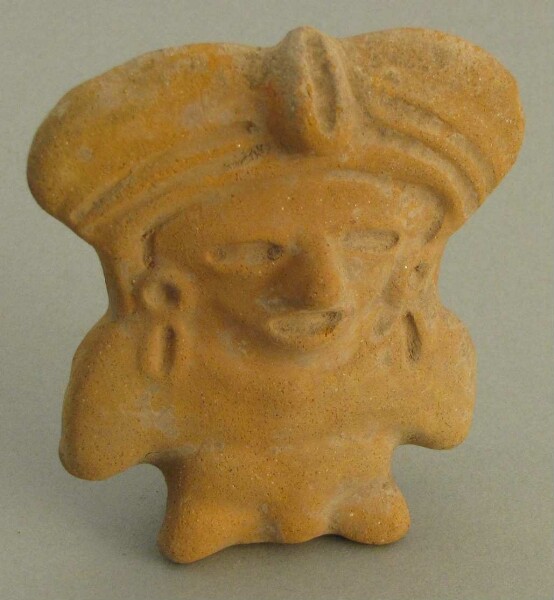
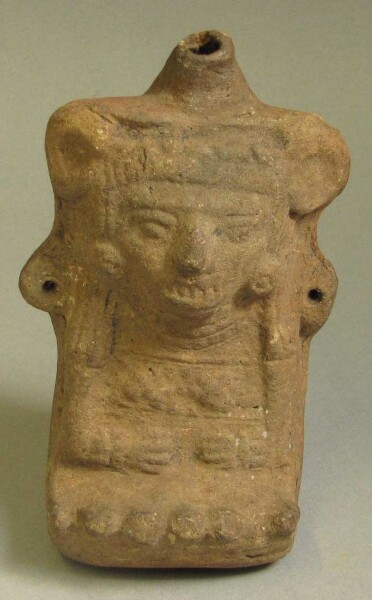
Clay whistle
This collection item does not have a name in the language of origin. If you know the name or have comments, use this form to contact the data-providing institution.
Save
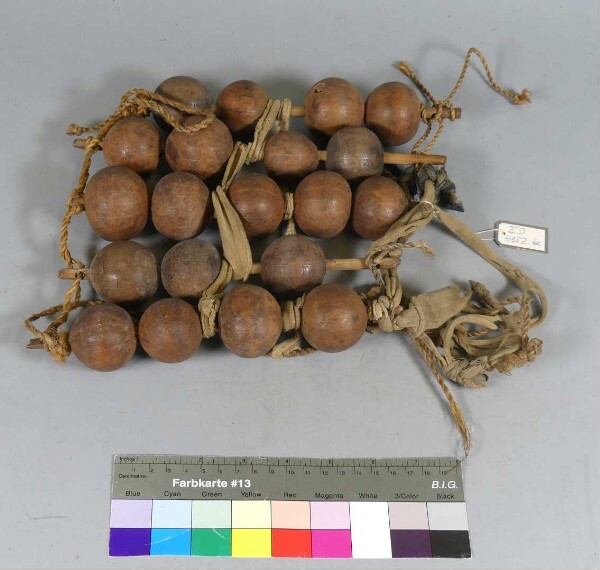
Rod rattle
This collection item does not have a name in the language of origin. If you know the name or have comments, use this form to contact the data-providing institution.
Save
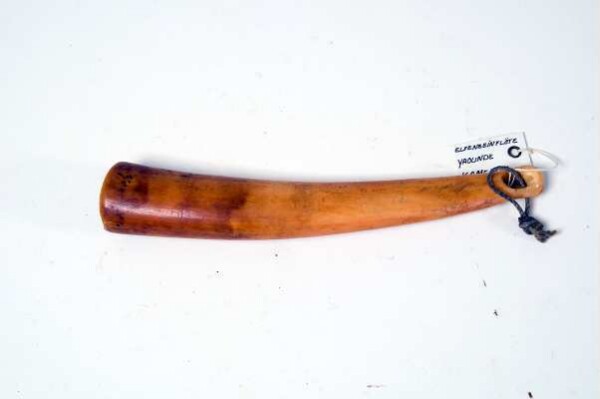
Ivory horn
This collection item does not have a name in the language of origin. If you know the name or have comments, use this form to contact the data-providing institution.
Save
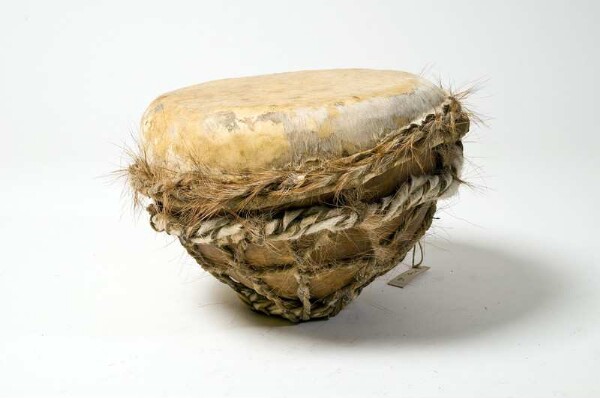
Boiler drum
This collection item does not have a name in the language of origin. If you know the name or have comments, use this form to contact the data-providing institution.
Save
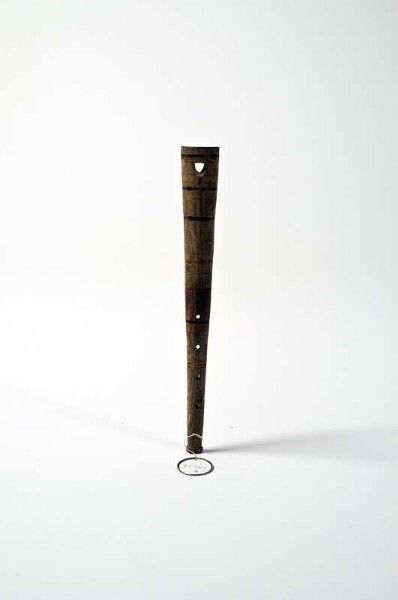
open longitudinal flute with finger holes (fragment)
This collection item does not have a name in the language of origin. If you know the name or have comments, use this form to contact the data-providing institution.
Save
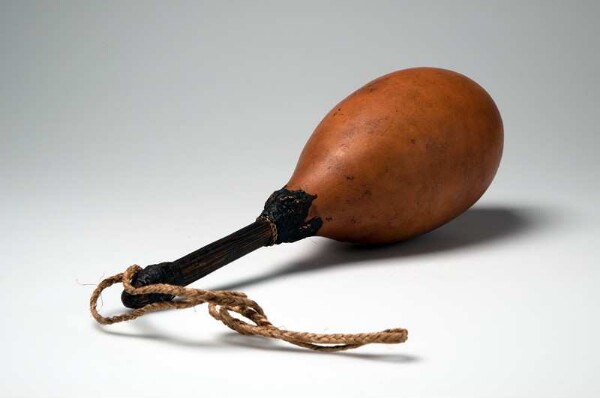
Vessel rattle
This collection item does not have a name in the language of origin. If you know the name or have comments, use this form to contact the data-providing institution.
Save
Clay whistle
This collection item does not have a name in the language of origin. If you know the name or have comments, use this form to contact the data-providing institution.
Save
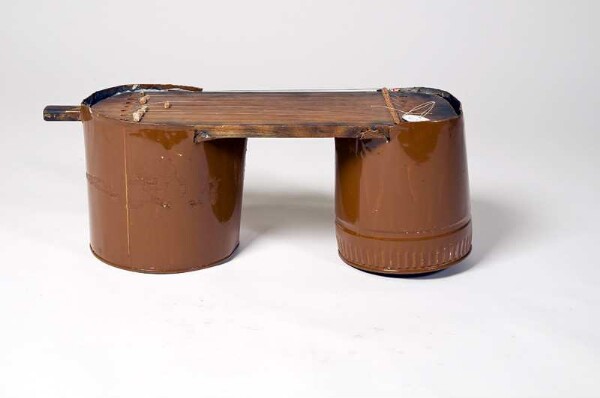
Board zither with resonator
This collection item does not have a name in the language of origin. If you know the name or have comments, use this form to contact the data-providing institution.
Save
Vessel rattle
This collection item does not have a name in the language of origin. If you know the name or have comments, use this form to contact the data-providing institution.