In addition to the technically required cookies, our website also uses cookies for statistical evaluation. You can also use the website without these cookies. By clicking on "I agree" you agree that we may set cookies for analysis purposes. You can see and change your cookie settings here.
The kingdom of Bamum in the grasslands of Cameroon is known for its opulent courtly art from the last third of the 19th century. This throne, known as the "Mandu Yenu", is regarded as a magnificent highlight of this art. It consists of two parts, a seat and a footstool, both carved from solid wood. The carving reflects symbols of the kings of Bamum, such as the two-headed snake and the earth spider, a symbol of wisdom. The two large human figures on the seat represent twins to protect the king, while the two smaller figures on the footstool carry rifles, symbolising the kingdom's military power. The entire throne is embroidered with precious glass beads from Europe and cowries from the Indian Ocean. The Royal Museum of Ethnology has been trying to acquire the throne since 1905. King Njoya of Bamum (reigned approx. 1887 - 1933) was only prepared to part with the throne after a joint campaign with German troops against the neighbouring kingdom of Nso'. In 1908, King Njoya gave the throne to the German Emperor Wilhelm II on his birthday. At this time, King Njoya had a new similar throne made for himself, which is still in the royal collection in Bamum today.
Height: 174 cm Width: 126 cm Depth: 155 cm Diameter: 95 cm Weight: 110,5 kg Height: 174 cm Width: 110 cm Depth: 115 cm Weight: 42 kg Height: 72 cm Width: 126 cm Depth: 38 cm
Material/Technique
Wood, Glass, Textile, Lime (cowrie snail)
Current location
Ethnologisches Museum, Staatliche Museen zu Berlin
This collection item does not have a name in the language of origin. If you know the name or have comments, use this form to contact the data-providing institution.
Save
Oil lamp
This collection item does not have a name in the language of origin. If you know the name or have comments, use this form to contact the data-providing institution.
Save
Bell
This collection item does not have a name in the language of origin. If you know the name or have comments, use this form to contact the data-providing institution.
Save
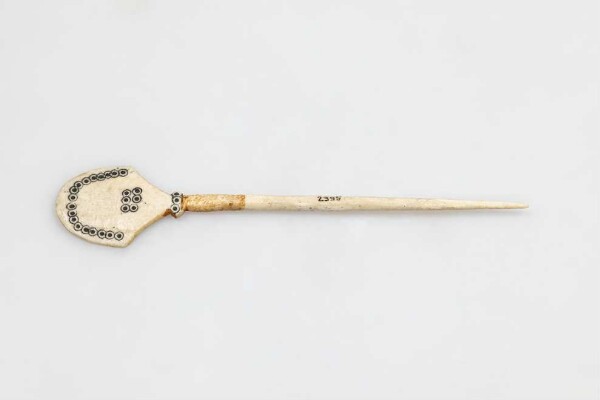
Hairpin
This collection item does not have a name in the language of origin. If you know the name or have comments, use this form to contact the data-providing institution.
Save
Quiver with six arrows
This collection item does not have a name in the language of origin. If you know the name or have comments, use this form to contact the data-providing institution.
Save
untitled, FT 922
This collection item does not have a name in the language of origin. If you know the name or have comments, use this form to contact the data-providing institution.
Save
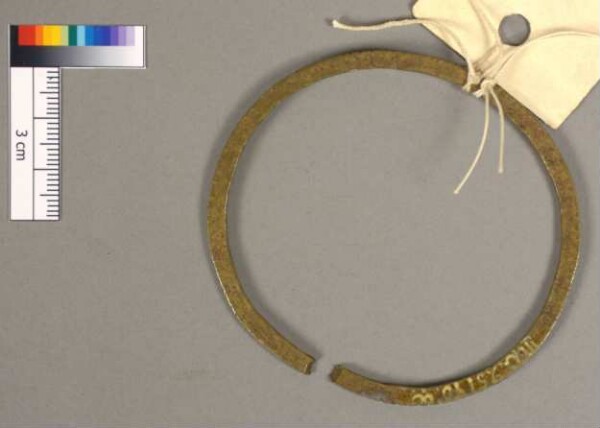
Brass arm ring
This collection item does not have a name in the language of origin. If you know the name or have comments, use this form to contact the data-providing institution.
Save
Quiver with lid
This collection item does not have a name in the language of origin. If you know the name or have comments, use this form to contact the data-providing institution.
Save
untitled, FT (45)
This collection item does not have a name in the language of origin. If you know the name or have comments, use this form to contact the data-providing institution.
Save
Sword with cross grip
This collection item does not have a name in the language of origin. If you know the name or have comments, use this form to contact the data-providing institution.
Save
Arrow
This collection item does not have a name in the language of origin. If you know the name or have comments, use this form to contact the data-providing institution.