In addition to the technically required cookies, our website also uses cookies for statistical evaluation. You can also use the website without these cookies. By clicking on "I agree" you agree that we may set cookies for analysis purposes. You can see and change your cookie settings here.
This collection item does not have a name in the language of origin. If you know the name or have comments, use this form to contact the data-providing institution.
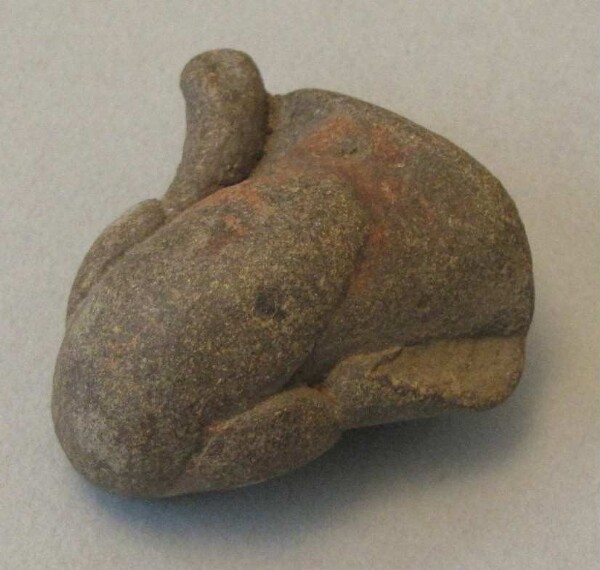
Sehr große, zoomorphe Steinskulptur. Das liegende, katzenähnliche Wesen besitzt einen großen, kugelförmigen Kopf, der direkt mit den Schultern verbunden ist. Die Gestalt hat kleine, knubbenförmige Ohren, runde, eingetiefte Augen und einen breiten, geschlossenen Mund. Ihr langer, dünner Schwanz liegt auf dem Rücken. Die kurzen, gedrungenen Beine der Figur sind angewinkelt. Die Oberfläche der gut erhaltenen Skulptur ist geglättet und leicht poliert. Das Objekt verfügt über eine abgeflachte Basis, die zur Aufstellung dient. Das inventarisierte Wesen ist auf wenige, diagnostische Elemente reduziert worden. Es besitzt keine individualisierenden Attribute. Soziale Bedeutung: Mason (1945: 280) vermutet, daß die meisten Skulpturen der Capelladas-Pacayas-Gruppe Lesefunde sind. Ihre einfache Form kann eine besondere kulturelle Tradition oder mangelnde handwerkliche Fertigkeiten anzeigen. Symbolische Bedeutung: raubkatzenähnliche Darstellungen sind in Mesoamerika seit dem Olmekischen Horizont (1200-300a.C.) bekannt. Nach Seler (1902-03: 115f., 172) galten jaguarähnliche Wesen (ocelotl) im zentralmexikanischen Hochland als Unterweltdämonen, die danach trachteten die Tagessonne zu verschlingen. In der tradierten Mythologie des südlichen Zentralamerika treten katzenähnliche Gestalten als Akteure der Dunkelheit auf (Salazar 1980: 22; Stone 1962: 173). Sie besitzen verschlingende Qualitäten und werden mit Feuer, Wasser und Steinen assoziiert (Bozzoli de Wille 1979). Die bimorphe Qualität vieler Feliden scheint mit dem Konzept ritueller Verwandlung verbunden zu sein. Kulturelle Bedeutung: die Gruppe wurde zuerst von Lehmann (1913) und Mason (1945) beschrieben. Sie umfaßt kleine, massive Skulpturen, die von den Fundorten Capelladas, Pacayas (beide bei Juan Viñas) und San Isidro de Arenilla (bei San José) stammen. Die Objekte stellen zoomorphe und anthropomorphe Wesen dar, die auf einer planen Basis stehen, hocken, knien, sitzen oder liegen. Sie können vogel-, affen-, katzen-, echsen- sowie männer- oder frauenähnliche Gestalten verkörpern. Die Figuren besitzen einen großen, runden Kopf, ein flaches Gesicht und einen breiten, eingetieften Mund. Ihre relativ kurzen Arme und Beine nehmen wenige, standartisierte Haltungen ein. Die Zeitstellung der Gruppe kann nicht zweifelsfrei bestimmt werden, da ihre archäologischen Kontexte unbekannt sind. Die kaum differenzierten Typen scheinen aufgrund ihrer Gestaltung auf die Periode V (1000-500d.C.) zu verweisen. (Künne 2005)
This collection item does not have a name in the language of origin. If you know the name or have comments, use this form to contact the data-providing institution.
Save
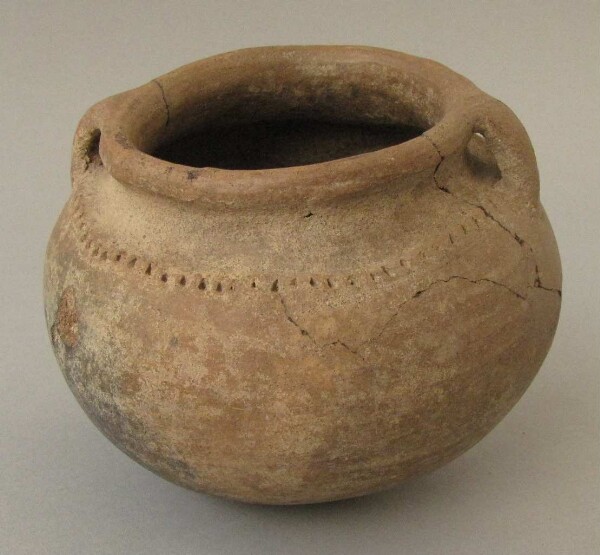
Clay vessel
This collection item does not have a name in the language of origin. If you know the name or have comments, use this form to contact the data-providing institution.
Save
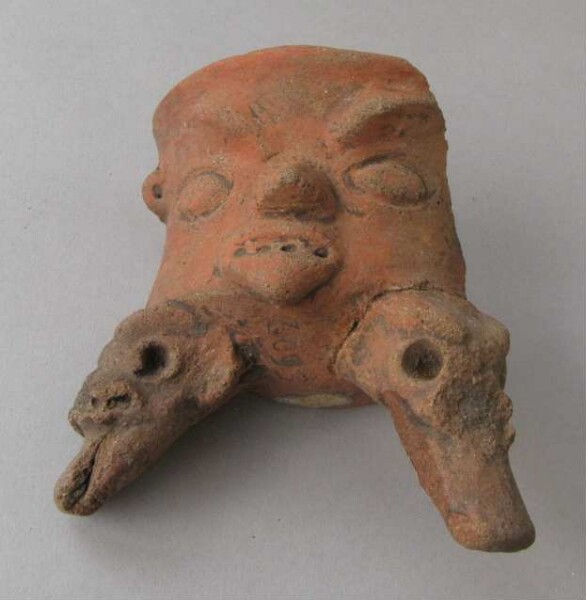
Foot fragment of a tripod clay bowl
This collection item does not have a name in the language of origin. If you know the name or have comments, use this form to contact the data-providing institution.
Save
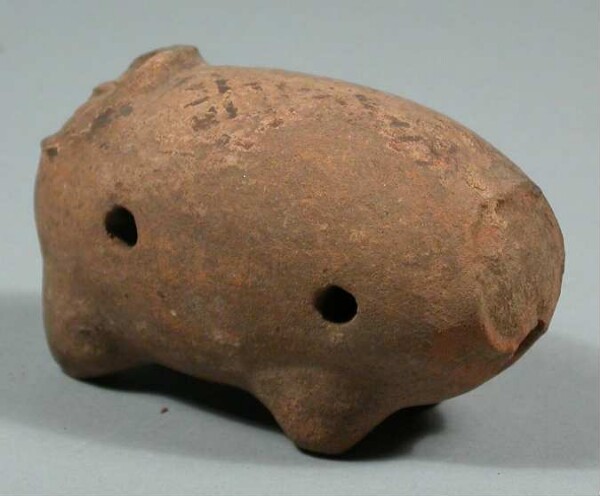
Animal figure (fragmented)
This collection item does not have a name in the language of origin. If you know the name or have comments, use this form to contact the data-providing institution.
Save
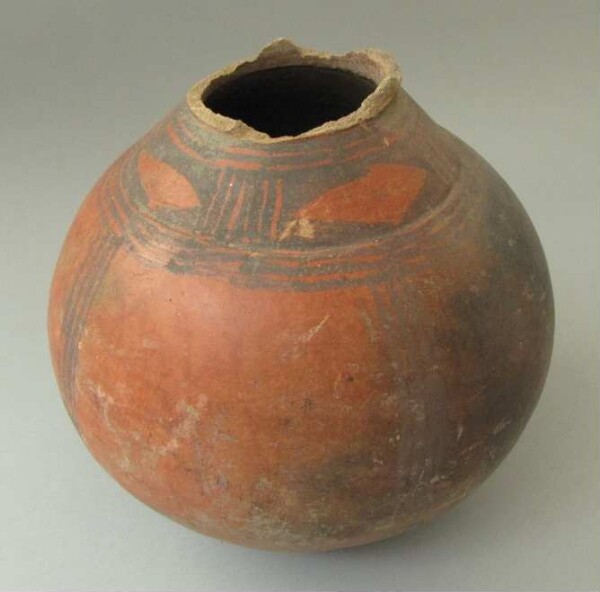
Clay vessel
This collection item does not have a name in the language of origin. If you know the name or have comments, use this form to contact the data-providing institution.
Save
Fragment of a tripod pottery vessel
This collection item does not have a name in the language of origin. If you know the name or have comments, use this form to contact the data-providing institution.
Save
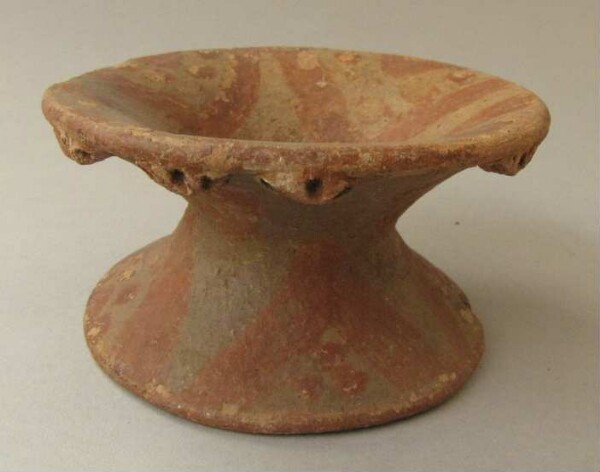
Clay pot stand
This collection item does not have a name in the language of origin. If you know the name or have comments, use this form to contact the data-providing institution.
Save
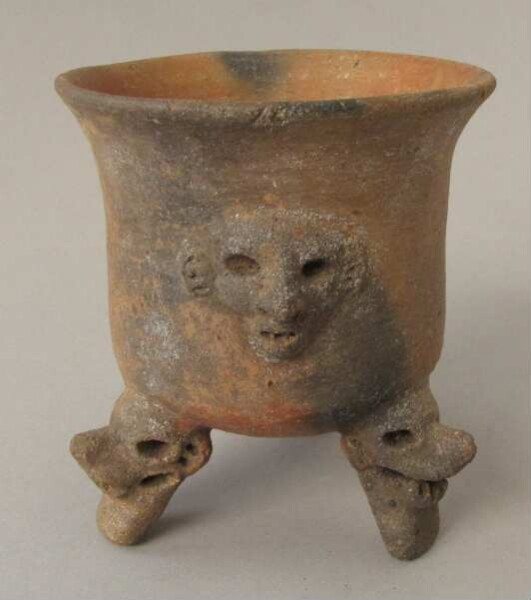
Tripod vessel
This collection item does not have a name in the language of origin. If you know the name or have comments, use this form to contact the data-providing institution.
Save
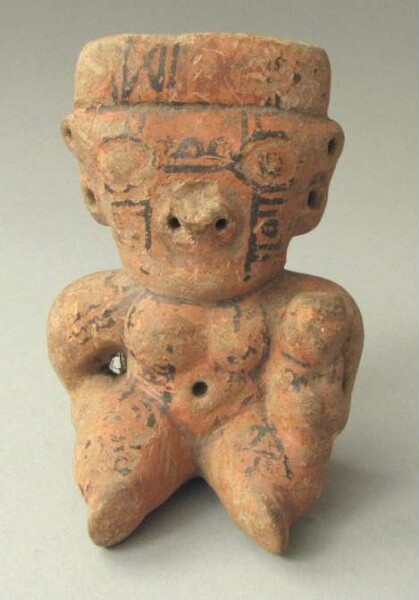
Clay figure
This collection item does not have a name in the language of origin. If you know the name or have comments, use this form to contact the data-providing institution.
Save
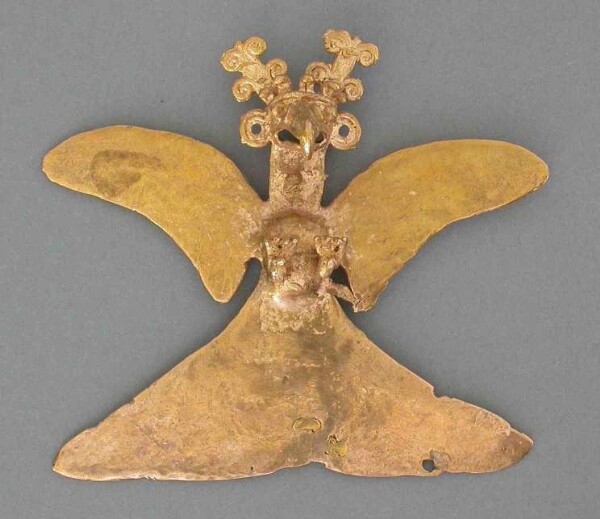
Eagle
This collection item does not have a name in the language of origin. If you know the name or have comments, use this form to contact the data-providing institution.
Save
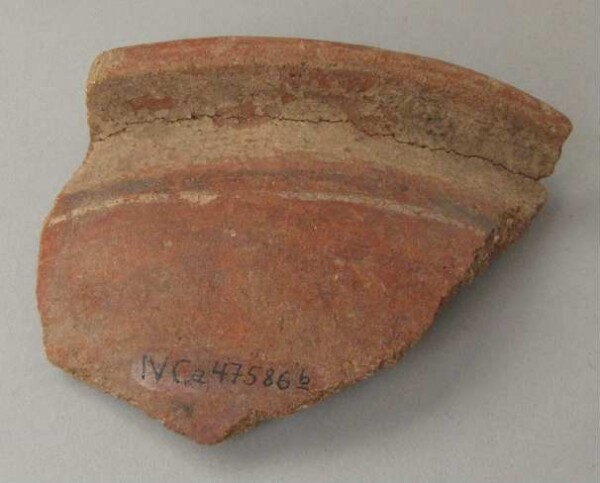
Clay shard of a vessel
This collection item does not have a name in the language of origin. If you know the name or have comments, use this form to contact the data-providing institution.