In addition to the technically required cookies, our website also uses cookies for statistical evaluation. You can also use the website without these cookies. By clicking on "I agree" you agree that we may set cookies for analysis purposes. You can see and change your cookie settings here.
This collection item does not have a name in the language of origin. If you know the name or have comments, use this form to contact the data-providing institution.
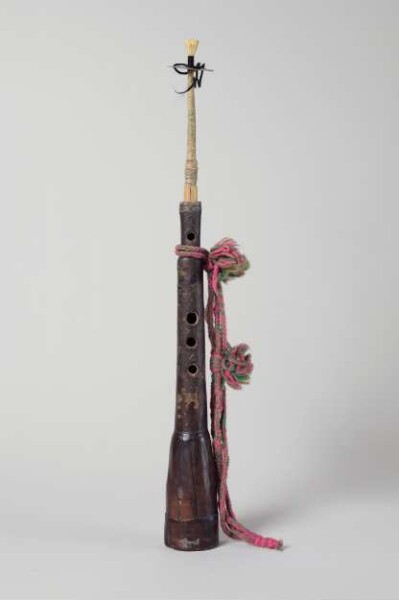
The Cura Zūrnā is the smallest member of the Zūrnā family. This double-reed instrument is made of light-coloured, varnished wood and has a fork insert made of boxwood. There are three frontal and two lateral so-called devil holes (Turkish: şeytan delikleri) in the funnel for resonance.
This collection item does not have a name in the language of origin. If you know the name or have comments, use this form to contact the data-providing institution.
Save
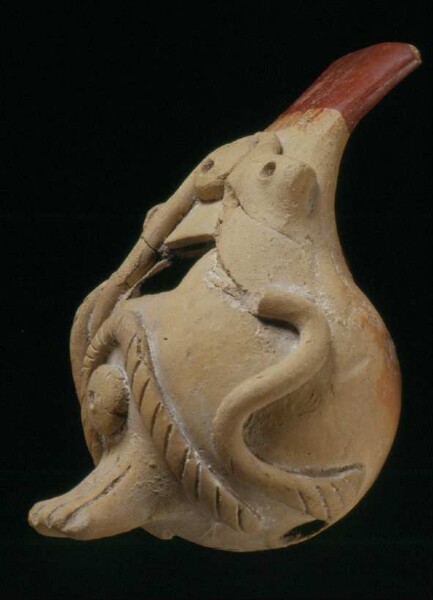
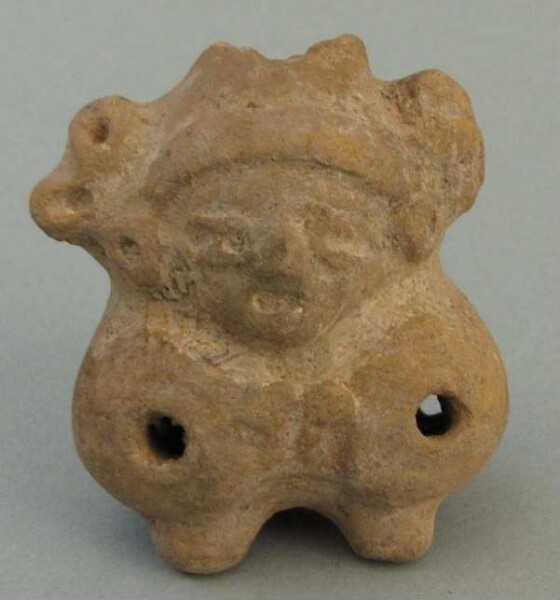
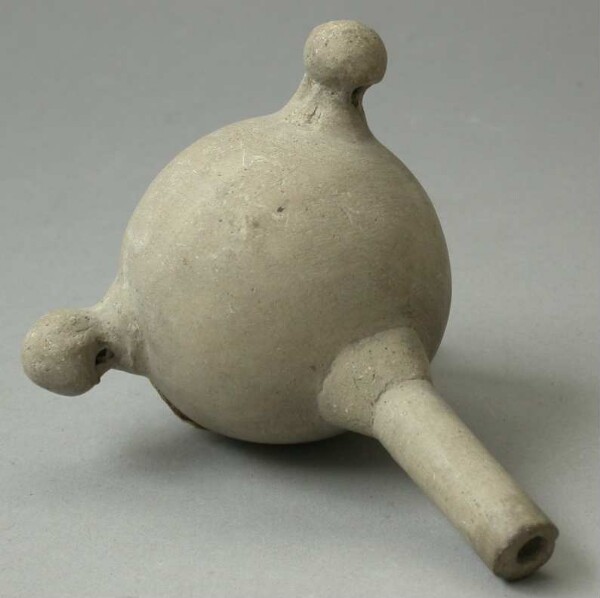
Clay whistle
This collection item does not have a name in the language of origin. If you know the name or have comments, use this form to contact the data-providing institution.
Save
Clay whistle
Image not available
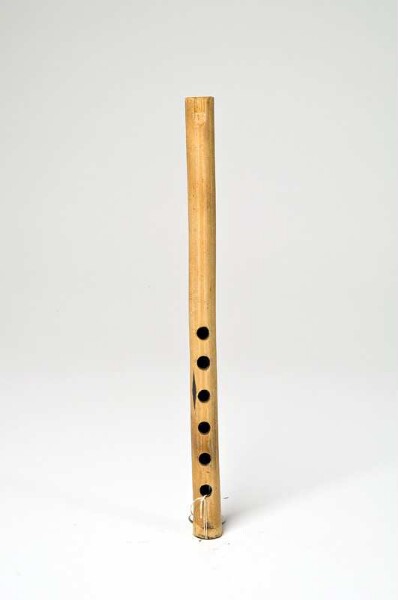
flauta de cana
Information about the language not available
Save
flauta de cana
quena
Information about the language not available
Save
quena
This collection item does not have a name in the language of origin. If you know the name or have comments, use this form to contact the data-providing institution.
Save
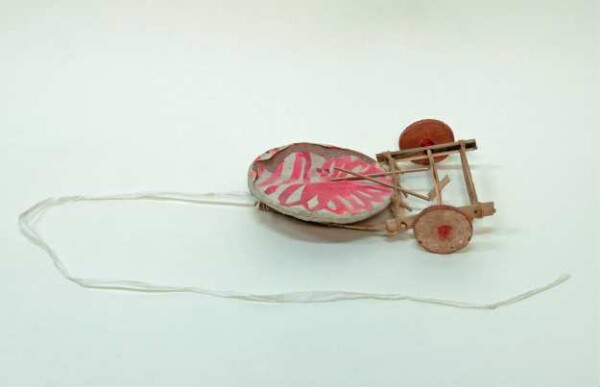
Cup drum
This collection item does not have a name in the language of origin. If you know the name or have comments, use this form to contact the data-providing institution.
Save
Alghaita
tarka
Information about the language not available
Save
tarka
This collection item does not have a name in the language of origin. If you know the name or have comments, use this form to contact the data-providing institution.
Save
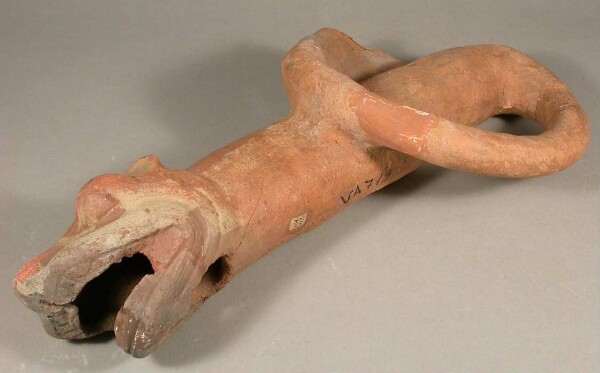
Clay trumpet
This collection item does not have a name in the language of origin. If you know the name or have comments, use this form to contact the data-providing institution.
Save
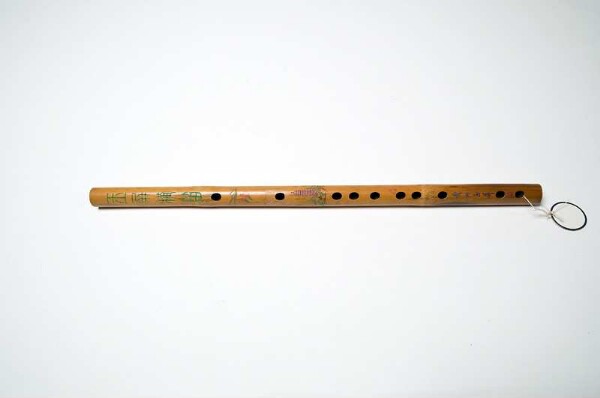
open transverse flute with finger holes
This collection item does not have a name in the language of origin. If you know the name or have comments, use this form to contact the data-providing institution.
Save
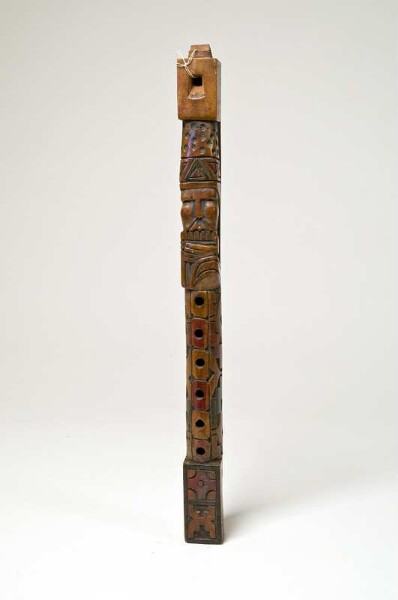
Clay flute
This collection item does not have a name in the language of origin. If you know the name or have comments, use this form to contact the data-providing institution.