In addition to the technically required cookies, our website also uses cookies for statistical evaluation. You can also use the website without these cookies. By clicking on "I agree" you agree that we may set cookies for analysis purposes. You can see and change your cookie settings here.
This collection item does not have a name in the language of origin. If you know the name or have comments, use this form to contact the data-providing institution.
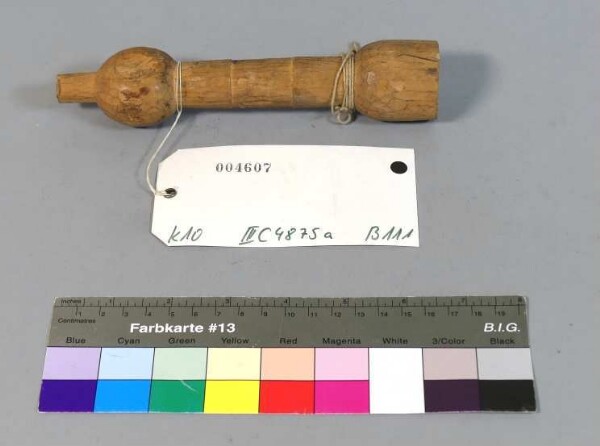
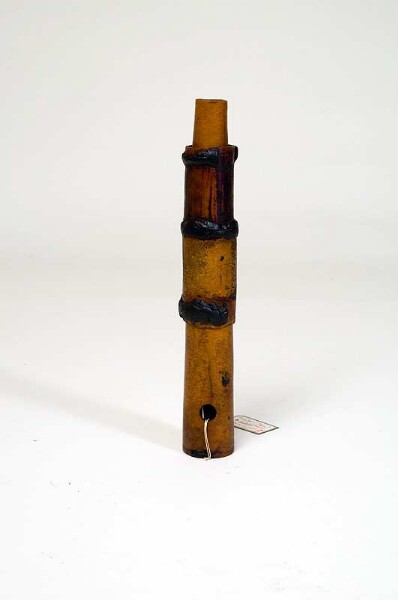
This Pī chawā from Thailand has a slender body measuring 400 mm in length. The cylindrical funnel Ø 22 mm probably represents the original shape. A copper ring closes the top of the funnel. The instrument has a palm leaf mouthpiece with four lamellae;
This collection item does not have a name in the language of origin. If you know the name or have comments, use this form to contact the data-providing institution.
Save
Foot rattle
gulu
Information about the language not available
Save
gulu
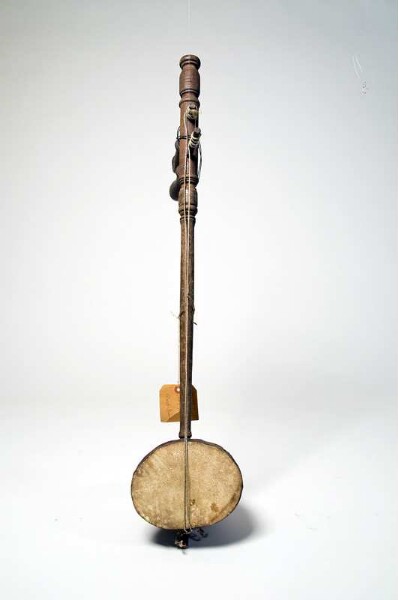
lokanga
Information about the language not available
Save
lokanga
This collection item does not have a name in the language of origin. If you know the name or have comments, use this form to contact the data-providing institution.
Save
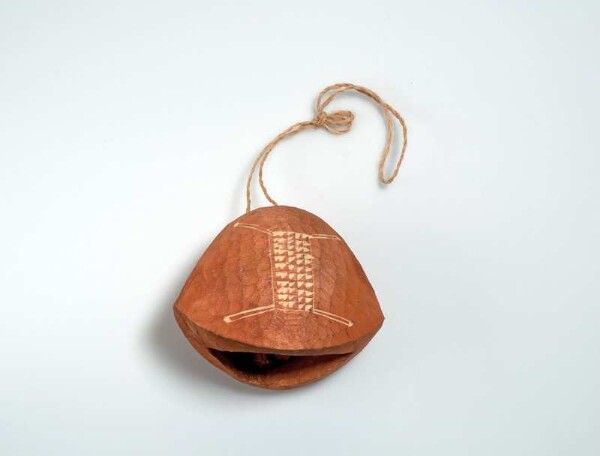
Cowbell
This collection item does not have a name in the language of origin. If you know the name or have comments, use this form to contact the data-providing institution.
Save
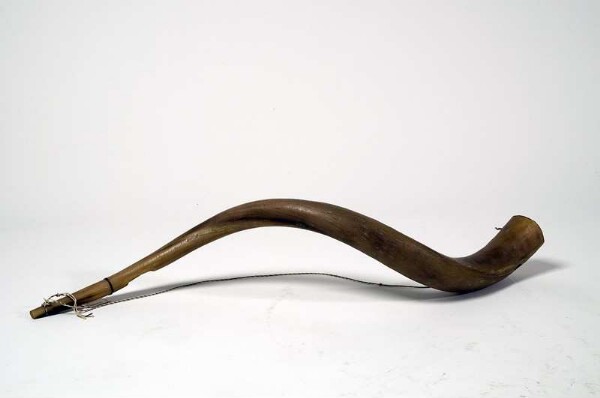
Blowing horn
This collection item does not have a name in the language of origin. If you know the name or have comments, use this form to contact the data-providing institution.
Save
Tambourine
This collection item does not have a name in the language of origin. If you know the name or have comments, use this form to contact the data-providing institution.
Save
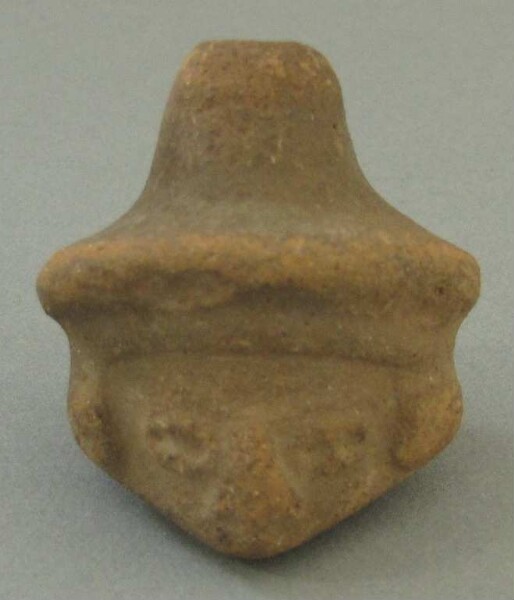
Clay rattle
This collection item does not have a name in the language of origin. If you know the name or have comments, use this form to contact the data-providing institution.
Save
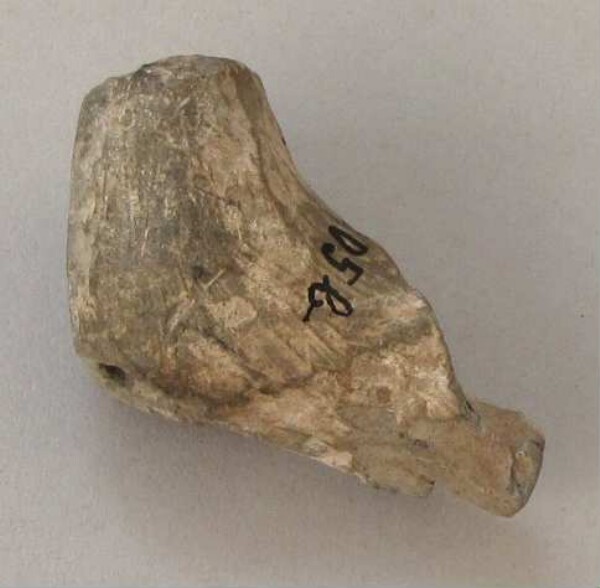
Clay flute (fragment)
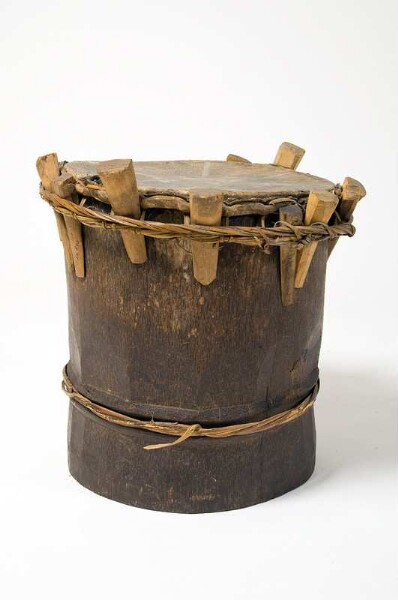
ngoma
Information about the language not available
Save
single-finned open hourglass drum
This collection item does not have a name in the language of origin. If you know the name or have comments, use this form to contact the data-providing institution.