In addition to the technically required cookies, our website also uses cookies for statistical evaluation. You can also use the website without these cookies. By clicking on "I agree" you agree that we may set cookies for analysis purposes. You can see and change your cookie settings here.
This collection item does not have a name in the language of origin. If you know the name or have comments, use this form to contact the data-providing institution.
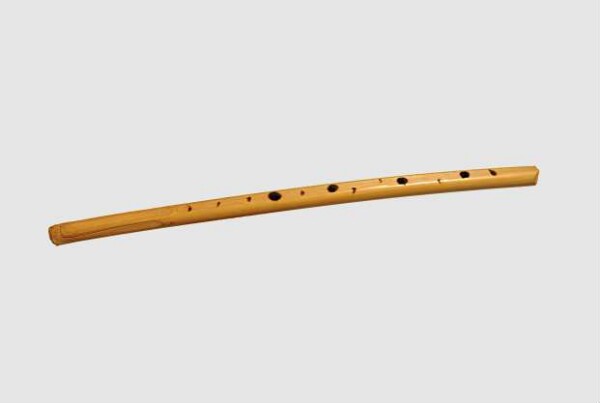
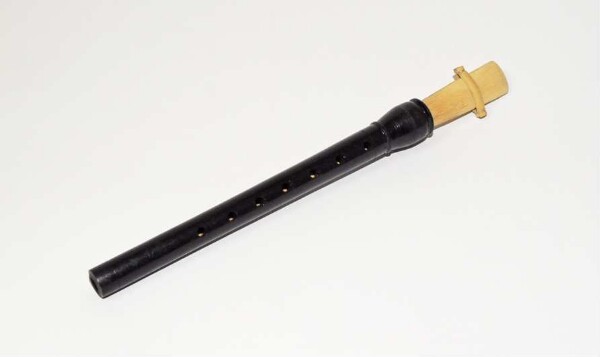
This Armenian duduk has eight frontal tone holes and is tuned to Bb. Known as the Armenian national instrument, the cylindrical double-reed instrument is characterised by a warm, soft and slightly nasal timbre. At the request of Armenia in 2005, the duduk was added to the UNESCO list of intangible cultural heritage of humanity in 2008;
This collection item does not have a name in the language of origin. If you know the name or have comments, use this form to contact the data-providing institution.
Save
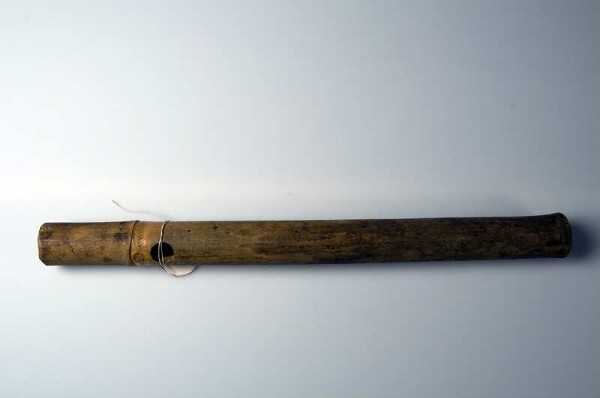
Clarinet with cylindrical tube with finger holes
This collection item does not have a name in the language of origin. If you know the name or have comments, use this form to contact the data-providing institution.
Save
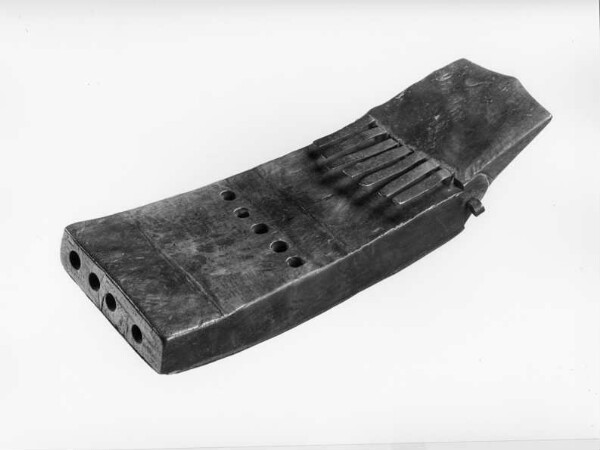
Shell zither
sansa
Information about the language not available
Save
sansa
This collection item does not have a name in the language of origin. If you know the name or have comments, use this form to contact the data-providing institution.
Save
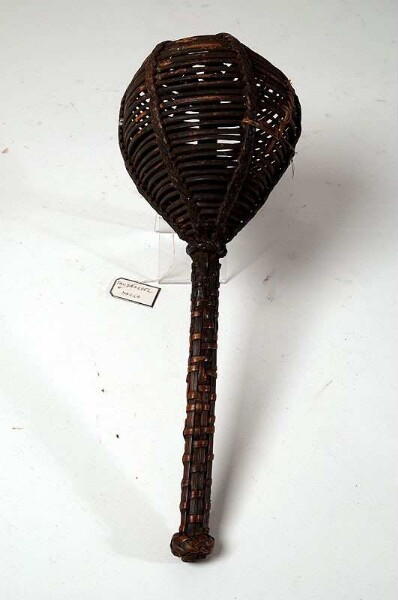
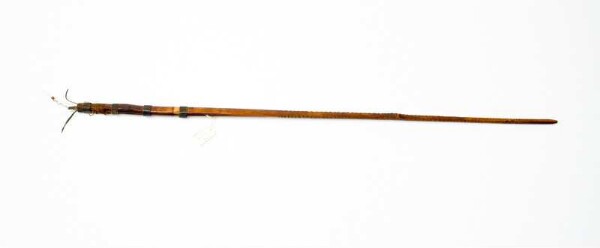
Rod rattle
p'ulu (arca)
Information about the language not available
Save
p'ulu (arca)
This collection item does not have a name in the language of origin. If you know the name or have comments, use this form to contact the data-providing institution.
Save
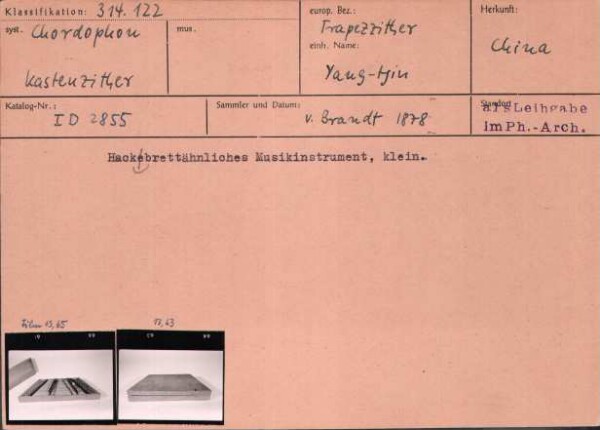
Trapeze zither (model)
Sokyet
Information about the language not available
Save
Sokyet
This collection item does not have a name in the language of origin. If you know the name or have comments, use this form to contact the data-providing institution.
Save
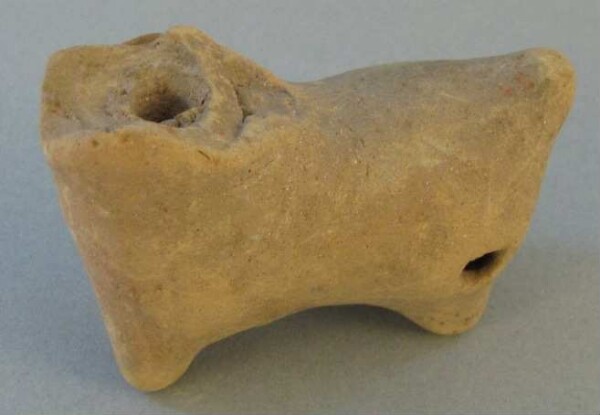
Fragment of a clay pipe
This collection item does not have a name in the language of origin. If you know the name or have comments, use this form to contact the data-providing institution.
Save
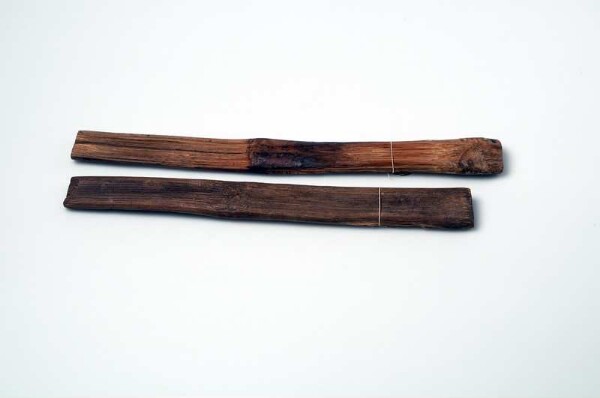
Shrapnel bars without resonator
This collection item does not have a name in the language of origin. If you know the name or have comments, use this form to contact the data-providing institution.
Save
Orta Mey
This collection item does not have a name in the language of origin. If you know the name or have comments, use this form to contact the data-providing institution.