In addition to the technically required cookies, our website also uses cookies for statistical evaluation. You can also use the website without these cookies. By clicking on "I agree" you agree that we may set cookies for analysis purposes. You can see and change your cookie settings here.
This collection item does not have a name in the language of origin. If you know the name or have comments, use this form to contact the data-providing institution.
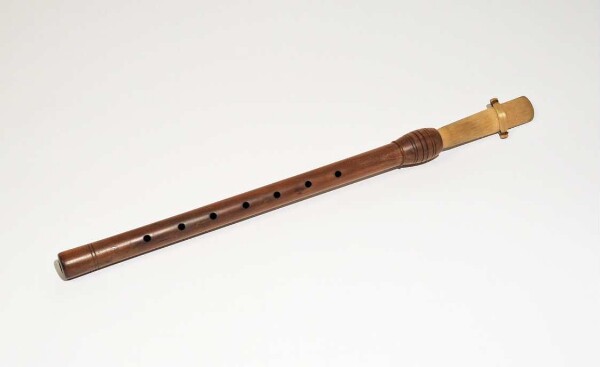
This Zūrnā (Zorne) comes from the possession of a Zūrnā virtuoso from the east of Iraq. The body of the woodwind instrument with double reed is varnished dark brown and has seven frontal tone holes and a thumb hole between the first and second finger holes. The fork insert is made of boxwood and decorated with two decorative grooves;
This collection item does not have a name in the language of origin. If you know the name or have comments, use this form to contact the data-providing institution.
Save
Double whistle
This collection item does not have a name in the language of origin. If you know the name or have comments, use this form to contact the data-providing institution.
Save
Ana Mey
patektek
Information about the language not available
Save
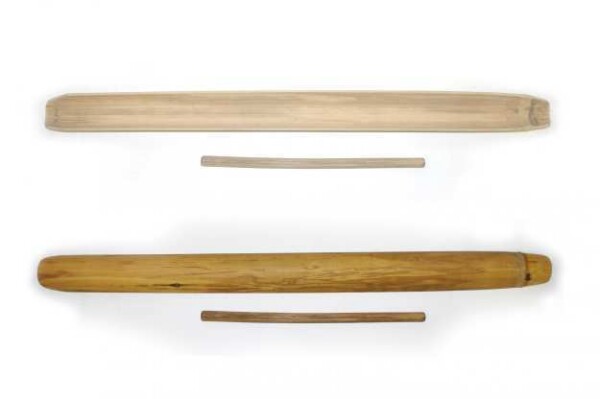
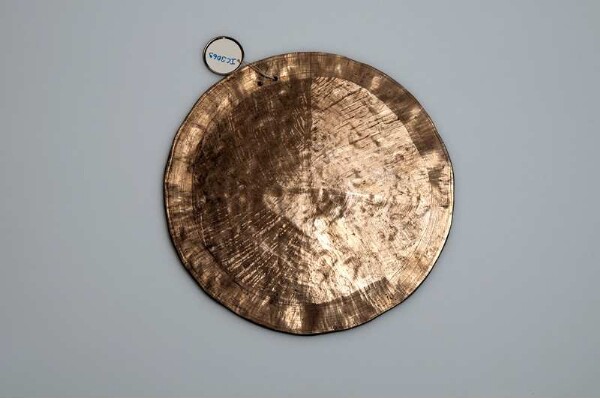
Impact plate
yonggo
Information about the language not available
Save
yonggo
shegandi?
Information about the language not available
Save
shegandi?
This collection item does not have a name in the language of origin. If you know the name or have comments, use this form to contact the data-providing institution.
Save
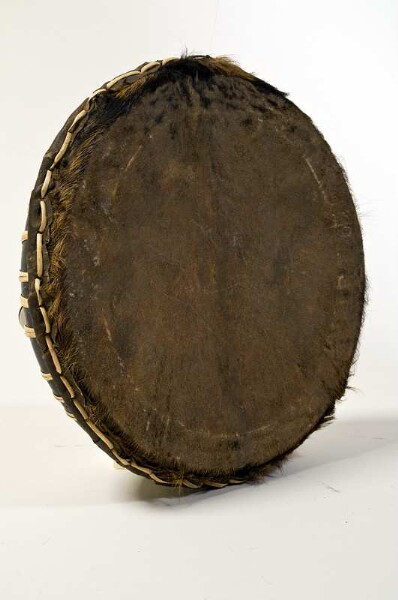
Frame drum
kalangu huriya
Information about the language not available
Save
kalangu & huriya
dawuro
Information about the language not available
Save
dawuro
This collection item does not have a name in the language of origin. If you know the name or have comments, use this form to contact the data-providing institution.
Save
Fragment of a clay pipe
This collection item does not have a name in the language of origin. If you know the name or have comments, use this form to contact the data-providing institution.
Save
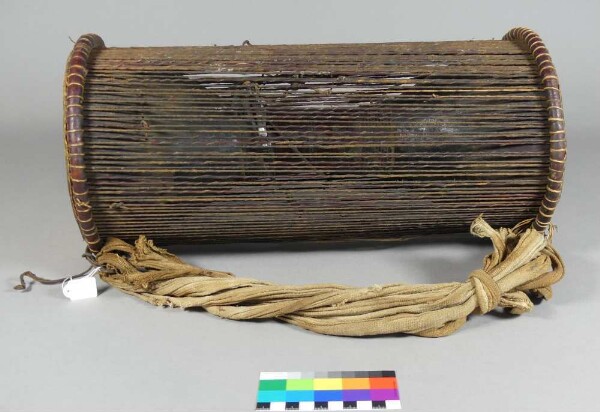
Drum
This collection item does not have a name in the language of origin. If you know the name or have comments, use this form to contact the data-providing institution.