In addition to the technically required cookies, our website also uses cookies for statistical evaluation. You can also use the website without these cookies. By clicking on "I agree" you agree that we may set cookies for analysis purposes. You can see and change your cookie settings here.
This collection item does not have a name in the language of origin. If you know the name or have comments, use this form to contact the data-providing institution.
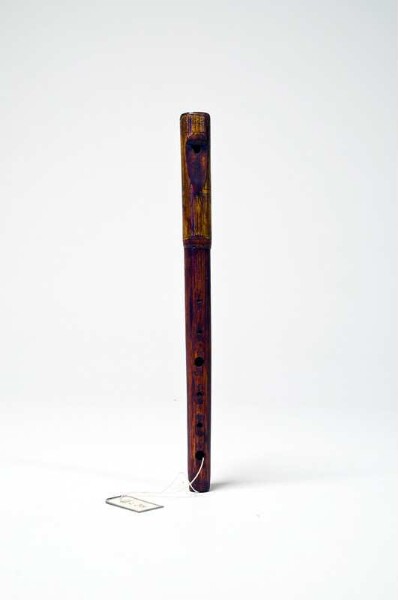
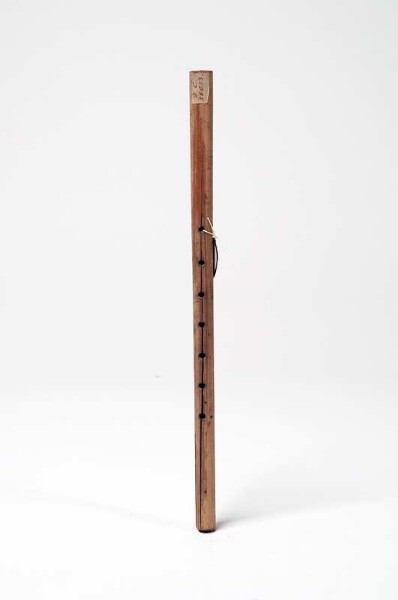
The Turkish mey is a woodwind instrument with a large double reed in a slender cylindrical shape, traditionally turned from apricot wood and with seven frontal tone holes and a thumb hole between the first and second finger holes. This example is an Ana Mey, the big Mey or "mother". The gently bulging tip of the instrument has an enlarged opening to accommodate the mouthpiece.
This collection item does not have a name in the language of origin. If you know the name or have comments, use this form to contact the data-providing institution.
Save
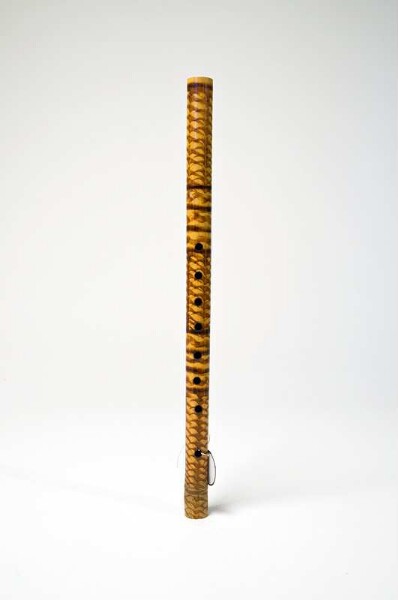
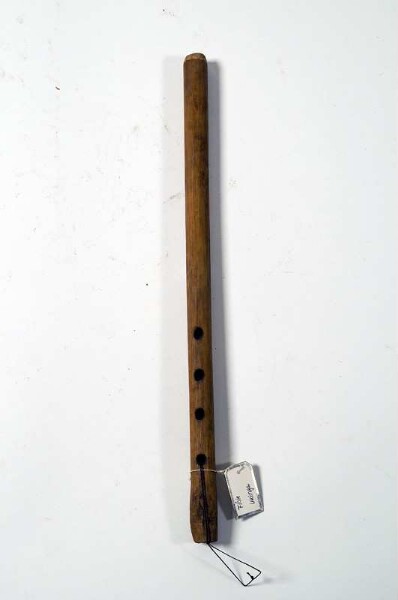
open longitudinal flute with finger holes
This collection item does not have a name in the language of origin. If you know the name or have comments, use this form to contact the data-providing institution.
Save
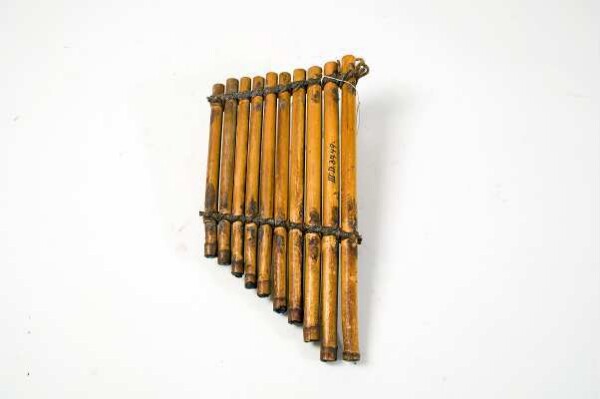
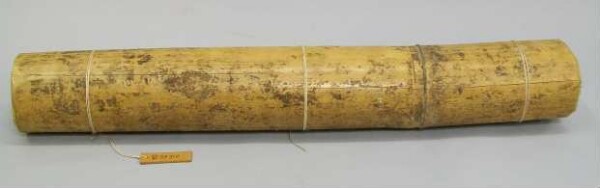
Docked pan flute
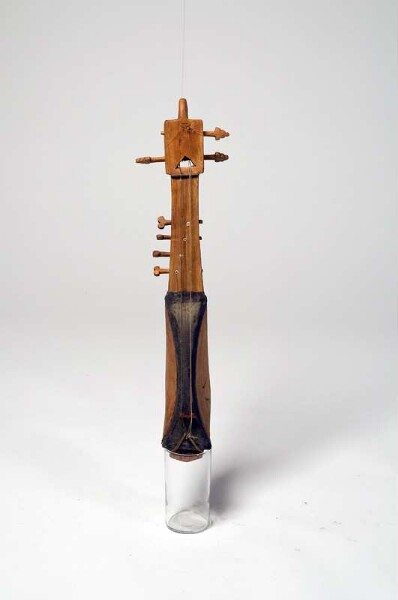
saringi
Information about the language not available
Save
saringi
This collection item does not have a name in the language of origin. If you know the name or have comments, use this form to contact the data-providing institution.
Save
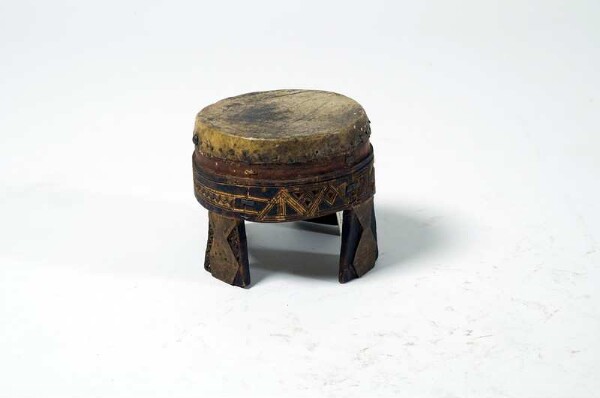
Drum
This collection item does not have a name in the language of origin. If you know the name or have comments, use this form to contact the data-providing institution.
Save
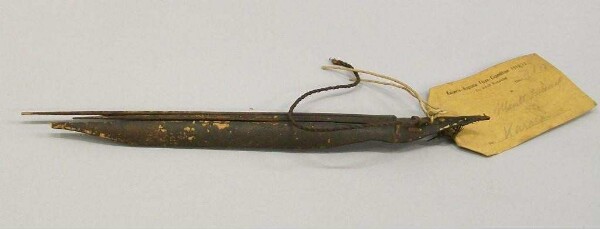
Jew's harp
This collection item does not have a name in the language of origin. If you know the name or have comments, use this form to contact the data-providing institution.
Save
Open inner flute with finger holes
This collection item does not have a name in the language of origin. If you know the name or have comments, use this form to contact the data-providing institution.
Save
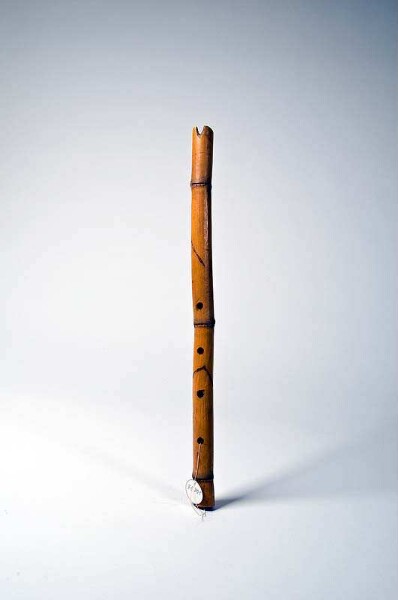
open longitudinal flute with finger holes
This collection item does not have a name in the language of origin. If you know the name or have comments, use this form to contact the data-providing institution.