In addition to the technically required cookies, our website also uses cookies for statistical evaluation. You can also use the website without these cookies. By clicking on "I agree" you agree that we may set cookies for analysis purposes. You can see and change your cookie settings here.
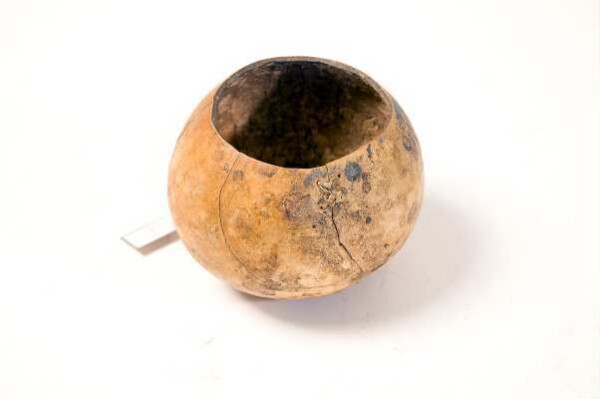
Behind the three grip points a thicker saddle pin, also arranged in two directions. At the other end of the bar [are] two broadly projecting arms that fork vertically. The string material of the two stretched strings, as well as the connection of the resonator construction, [is] probably not original. The spherical calabash resonator [is] largely covered with [a] branding pattern: Predominantly rows of triangular shapes, filled in with cross-hatching. from Ulrich Wegner: Afrikanische Saiteninstrumente, Staatliche Museen Berlin - SPK, 1984 (Appendix Object Catalogue)
This collection item does not have a name in the language of origin. If you know the name or have comments, use this form to contact the data-providing institution.
Save
Resonance calabash of a plucked idiophone
This collection item does not have a name in the language of origin. If you know the name or have comments, use this form to contact the data-providing institution.
Save
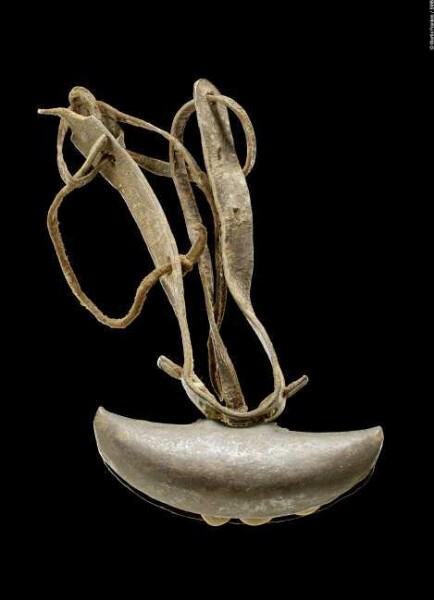
Vessel rattle
Hong
Information about the language not available
Save
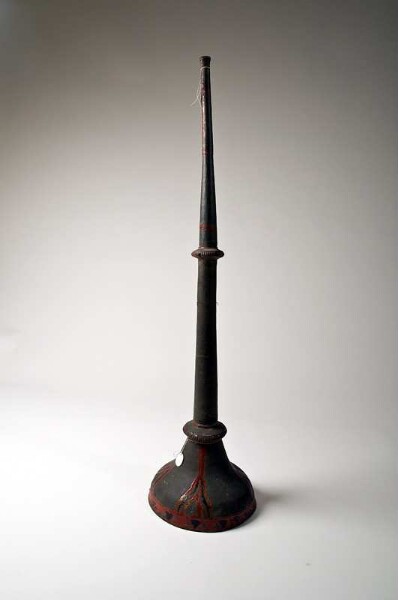
Longitudinal trumpet
This collection item does not have a name in the language of origin. If you know the name or have comments, use this form to contact the data-providing institution.
Save
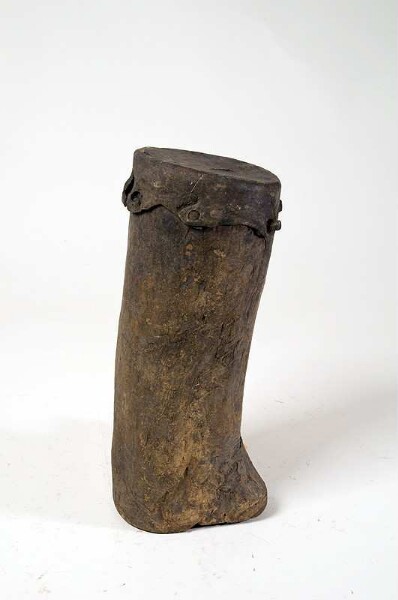
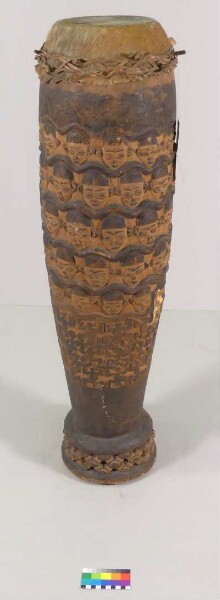
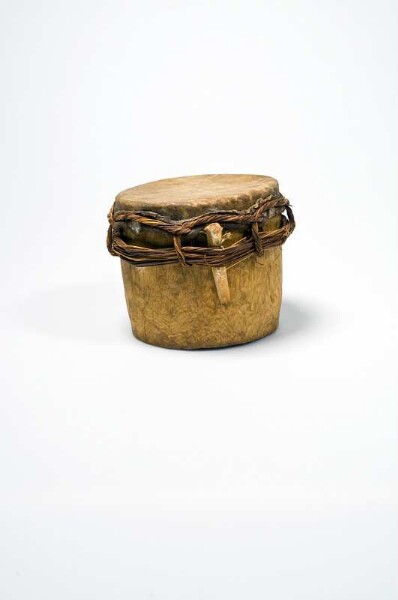
Drum
This collection item does not have a name in the language of origin. If you know the name or have comments, use this form to contact the data-providing institution.
Save
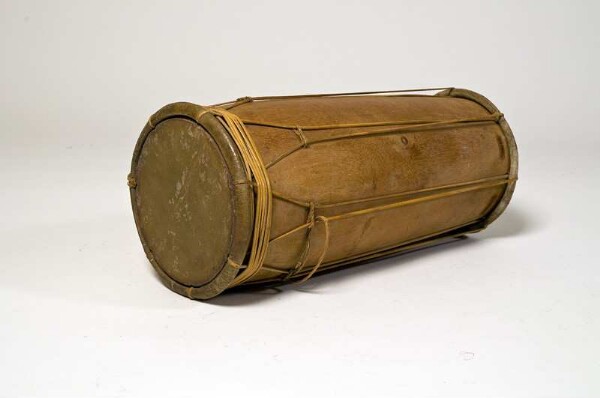
Barrel drum
This collection item does not have a name in the language of origin. If you know the name or have comments, use this form to contact the data-providing institution.
Save
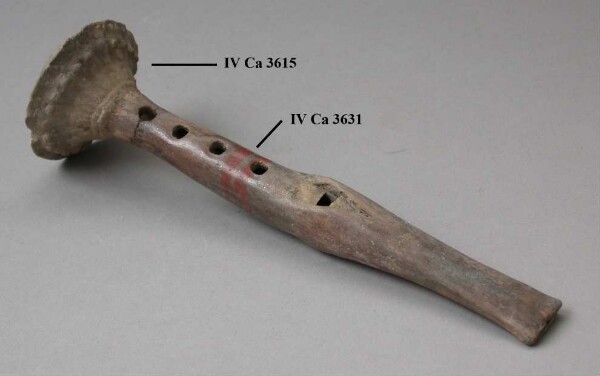
Bell of a flute
This collection item does not have a name in the language of origin. If you know the name or have comments, use this form to contact the data-providing institution.
Save
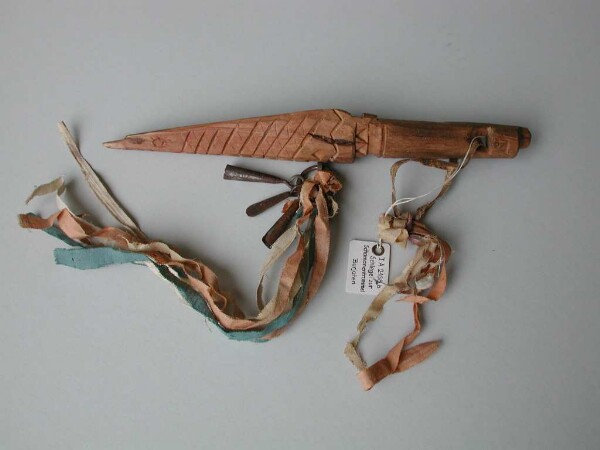
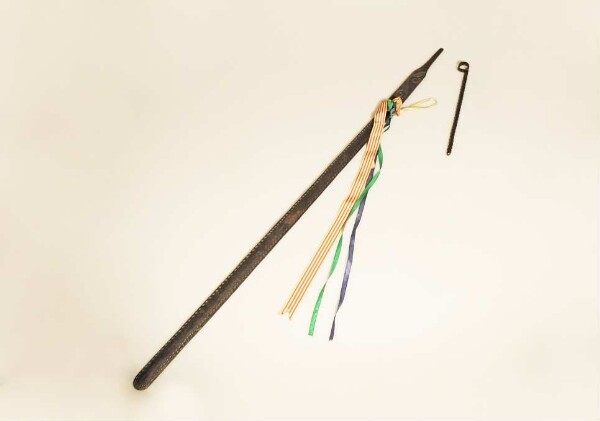
Mallet for shaman drum
Sulin
Information about the language not available
Save
Sulin
This collection item does not have a name in the language of origin. If you know the name or have comments, use this form to contact the data-providing institution.
Save
Cone drum
This collection item does not have a name in the language of origin. If you know the name or have comments, use this form to contact the data-providing institution.