In addition to the technically required cookies, our website also uses cookies for statistical evaluation. You can also use the website without these cookies. By clicking on "I agree" you agree that we may set cookies for analysis purposes. You can see and change your cookie settings here.
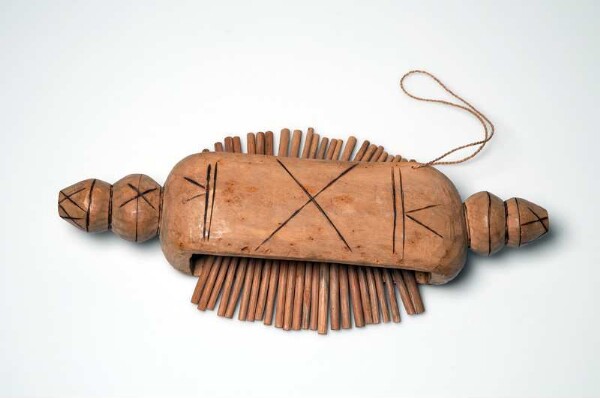
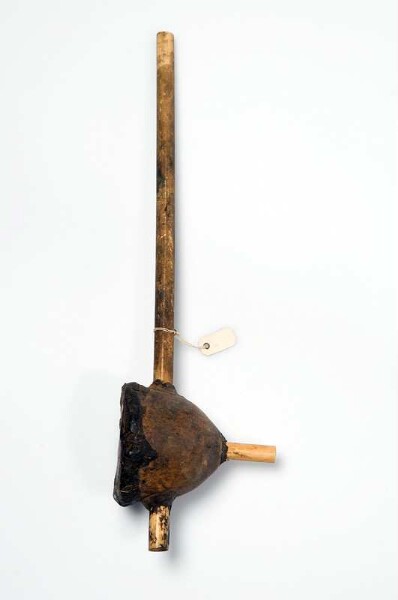
Two strings of twisted animal tissue. One string [is] stretched along one side of the stick. At one end of the stick [is] a carved, hook-shaped extension extending the stick to connect both strings. The calabash [has] a broken seam. Remnants of a circumferential seam [exist] at the lower edge of the opening. Between and next to the fingering points [are] pointed, peg-shaped and circular extensions of the staff surface on both sides. On the string-covered side of the stick [is] a full-surface, geometric notched pattern. from Ulrich Wegner: Afrikanische Saiteninstrumente, Staatliche Museen Berlin - SPK, 1984 (Appendix Object Catalogue)
This collection item does not have a name in the language of origin. If you know the name or have comments, use this form to contact the data-providing institution.
Save
vizuyu
This collection item does not have a name in the language of origin. If you know the name or have comments, use this form to contact the data-providing institution.
Save
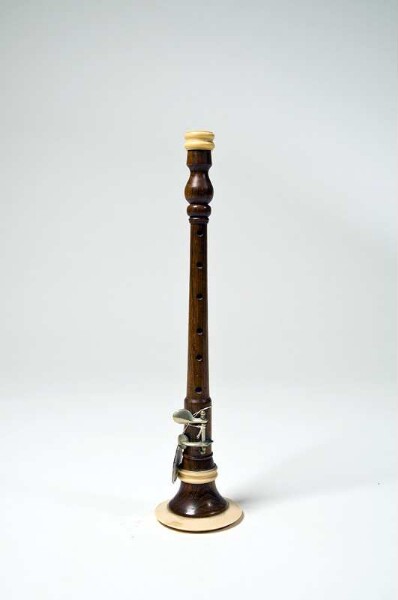
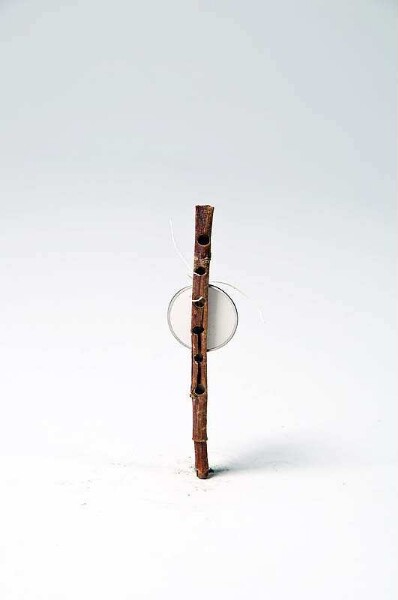
Oboe with conical tube with finger holes
This collection item does not have a name in the language of origin. If you know the name or have comments, use this form to contact the data-providing institution.
Save
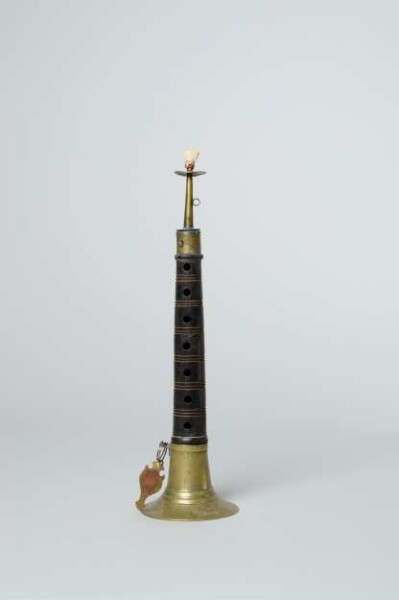
Horanāva
This collection item does not have a name in the language of origin. If you know the name or have comments, use this form to contact the data-providing institution.
Save
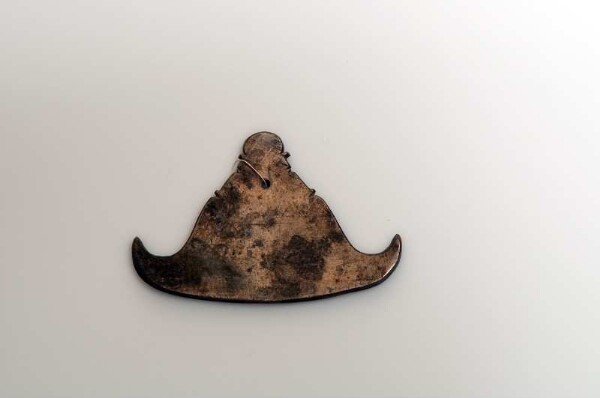
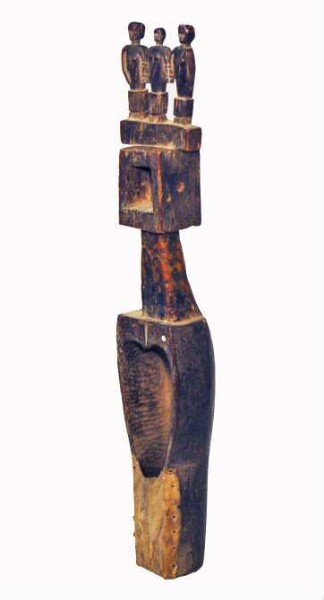
Impact plate
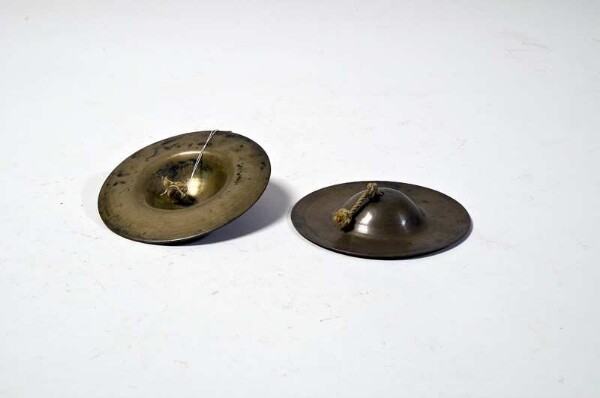
chap lek
Information about the language not available
Save
chap lek
This collection item does not have a name in the language of origin. If you know the name or have comments, use this form to contact the data-providing institution.
Save
Dhodro Banam
This collection item does not have a name in the language of origin. If you know the name or have comments, use this form to contact the data-providing institution.
Save
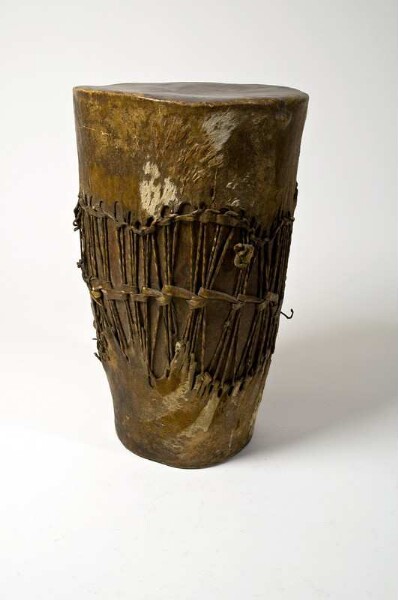
Cone drum
vilvile
Information about the language not available
Save
vilvile
This collection item does not have a name in the language of origin. If you know the name or have comments, use this form to contact the data-providing institution.
Save
Mouth organ
This collection item does not have a name in the language of origin. If you know the name or have comments, use this form to contact the data-providing institution.