In addition to the technically required cookies, our website also uses cookies for statistical evaluation. You can also use the website without these cookies. By clicking on "I agree" you agree that we may set cookies for analysis purposes. You can see and change your cookie settings here.
This collection item does not have a name in the language of origin. If you know the name or have comments, use this form to contact the data-providing institution.
The Tibetan cult instruments are built as identical pairs - in contrast to the Tibetan-Buddhist instrument pairs, which differ in details. The two Rgya-gling instruments VII c 1030/1031 are turned from black wood. The eight brass rings between the tone holes are alternately decorated with a blue and a red set stone. Two blue and two red stones are also applied to the ornamentally decorated pipe support.
This collection item does not have a name in the language of origin. If you know the name or have comments, use this form to contact the data-providing institution.
Save
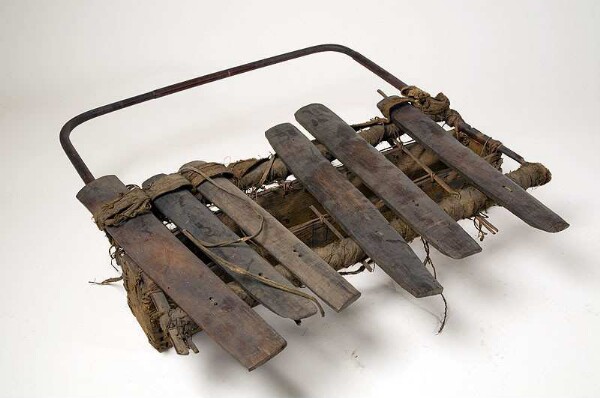
Xylophone
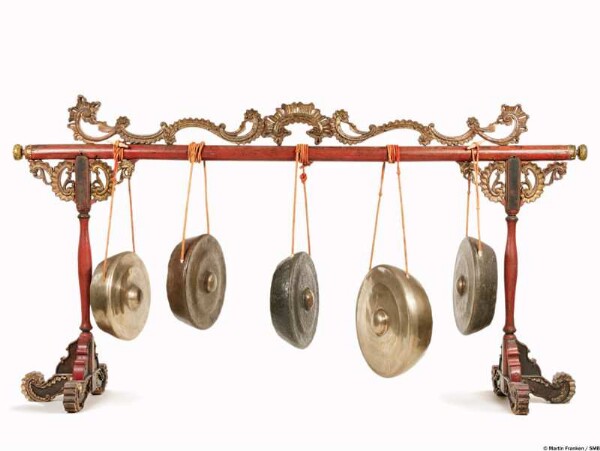
kempul (Gamelan, pélog)
Information about the language not available
Save
kempul (gamelan, pélog)
This collection item does not have a name in the language of origin. If you know the name or have comments, use this form to contact the data-providing institution.
Save
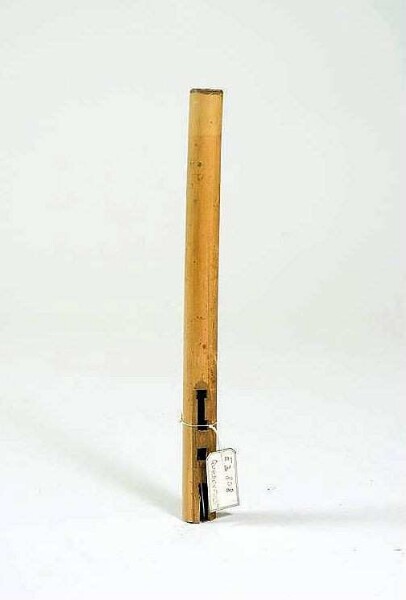
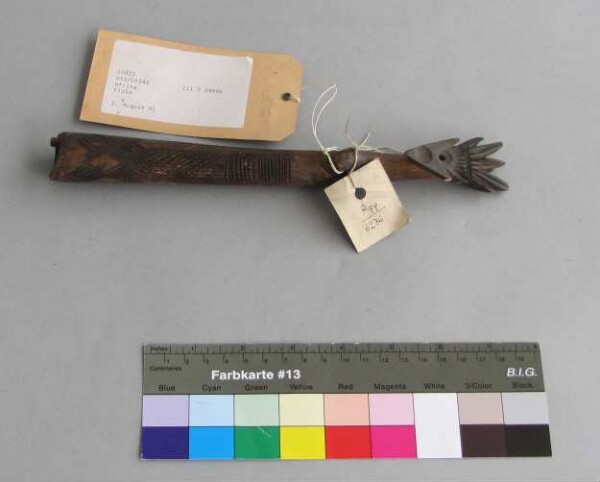
Flute
sarinda*
Information about the language not available
Save
sarinda
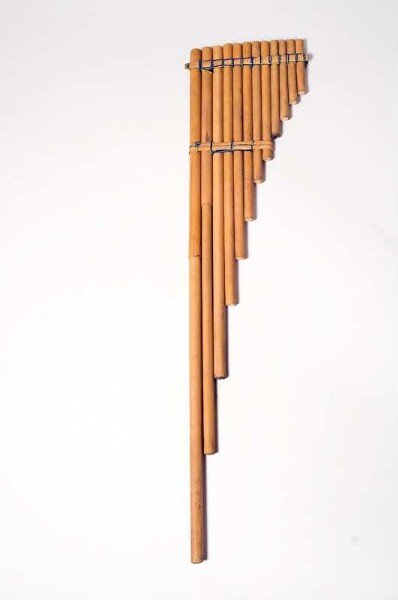
zampona sanca (ira)
Information about the language not available
Save
zampona sanca (ira)
This collection item does not have a name in the language of origin. If you know the name or have comments, use this form to contact the data-providing institution.
Save
Flute
This collection item does not have a name in the language of origin. If you know the name or have comments, use this form to contact the data-providing institution.
Save
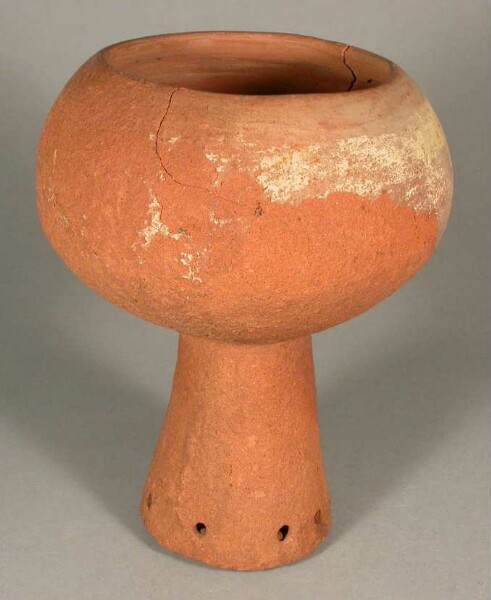
Clay cup (rattle)
This collection item does not have a name in the language of origin. If you know the name or have comments, use this form to contact the data-providing institution.
Save
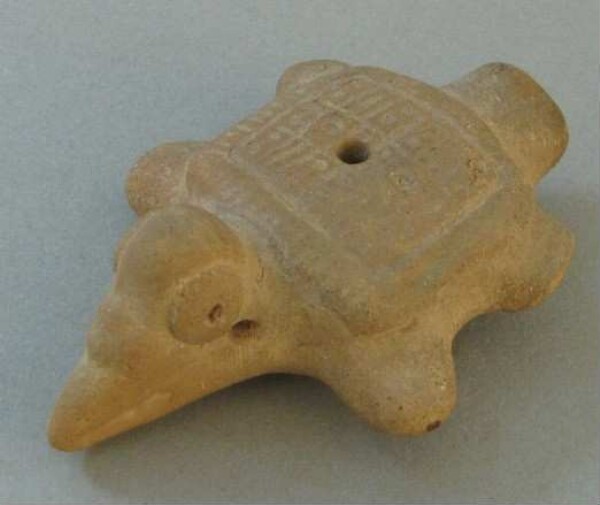
Clay whistle
This collection item does not have a name in the language of origin. If you know the name or have comments, use this form to contact the data-providing institution.
Save
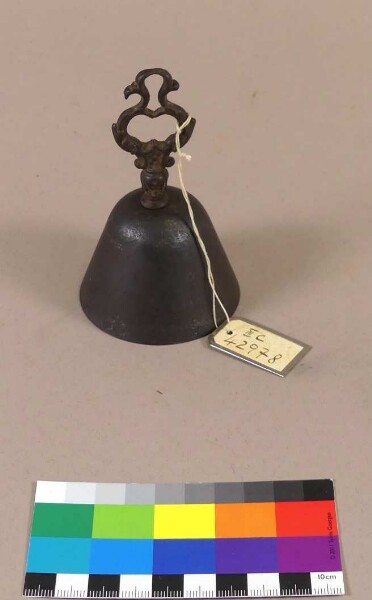
Table bell (?) (for men, for the dance of death)
This collection item does not have a name in the language of origin. If you know the name or have comments, use this form to contact the data-providing institution.
Save
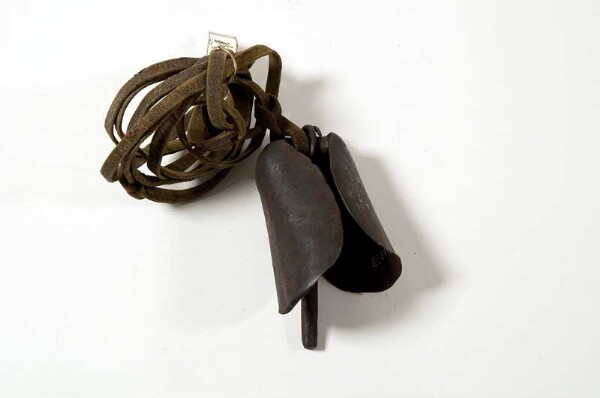
Brass bell for horses
This collection item does not have a name in the language of origin. If you know the name or have comments, use this form to contact the data-providing institution.