In addition to the technically required cookies, our website also uses cookies for statistical evaluation. You can also use the website without these cookies. By clicking on "I agree" you agree that we may set cookies for analysis purposes. You can see and change your cookie settings here.
This collection item does not have a name in the language of origin. If you know the name or have comments, use this form to contact the data-providing institution.
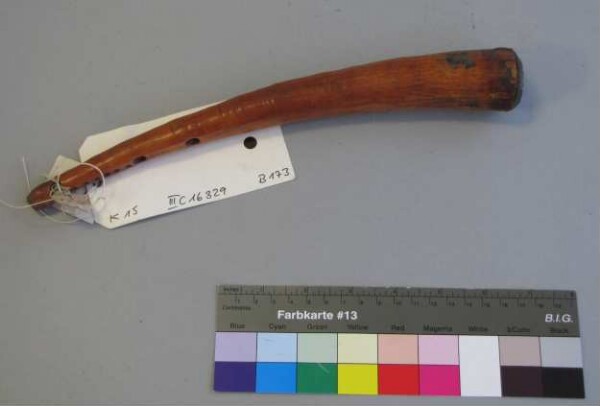
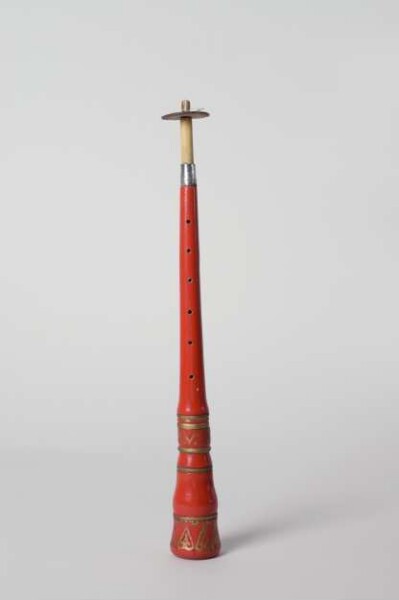
This Sūrnāj is characterised by a thick-walled body made of red-brown oiled wood. There are decorative mother-of-pearl inlays on the top of the body and on the funnel. The lip support is thick-walled and curved. Three replacement reeds hang from the reed support. The double-reed instrument was acquired by the collector's brother in Samarkand in 2005.
This collection item does not have a name in the language of origin. If you know the name or have comments, use this form to contact the data-providing institution.
Save
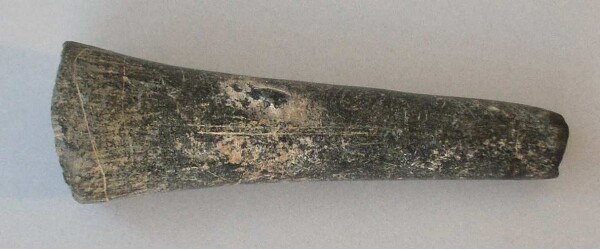
Ivory horn
This collection item does not have a name in the language of origin. If you know the name or have comments, use this form to contact the data-providing institution.
Save
ulke-maira
serang
Information about the language not available
Save
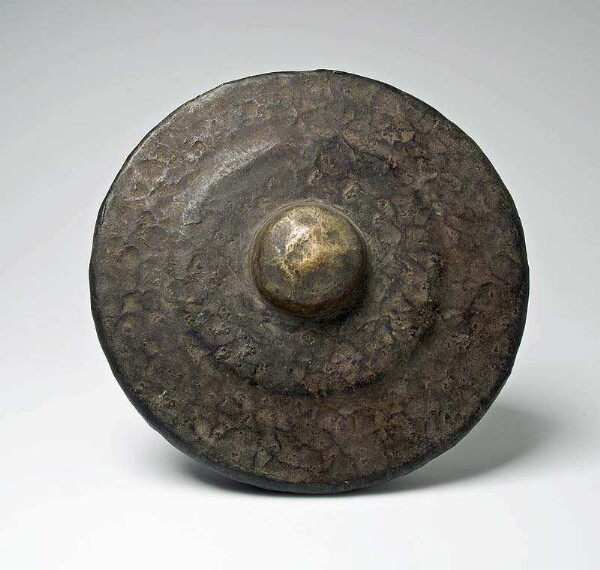
Gong
This collection item does not have a name in the language of origin. If you know the name or have comments, use this form to contact the data-providing institution.
Save
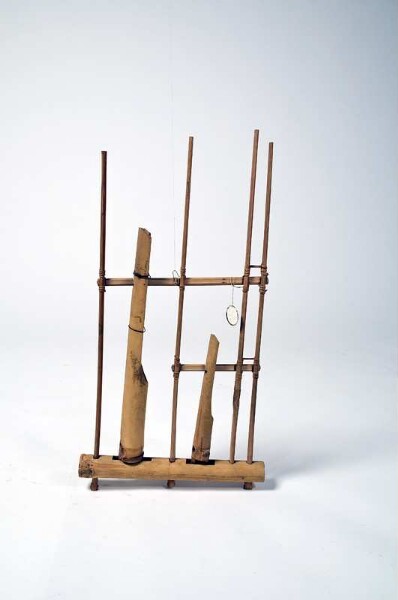
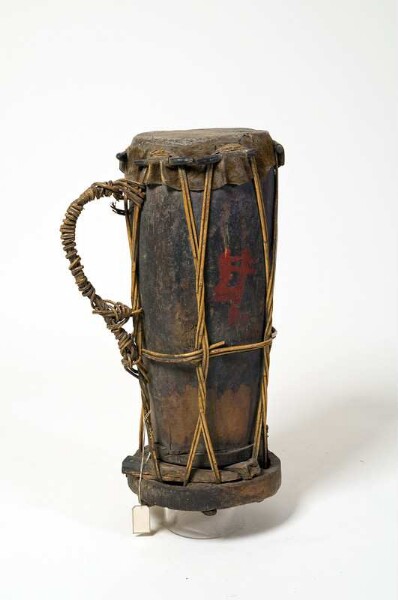
anklung
gondang
Information about the language not available
Save
gondang
This collection item does not have a name in the language of origin. If you know the name or have comments, use this form to contact the data-providing institution.
Save
Vocina
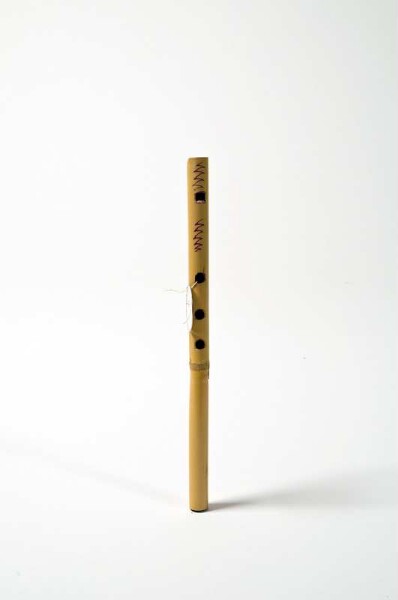
suling cianjuran
Information about the language not available
Save
suling cianjuran
düdük/kavali ?
Information about the language not available
Save
düdük/kavali (?)
This collection item does not have a name in the language of origin. If you know the name or have comments, use this form to contact the data-providing institution.
Save
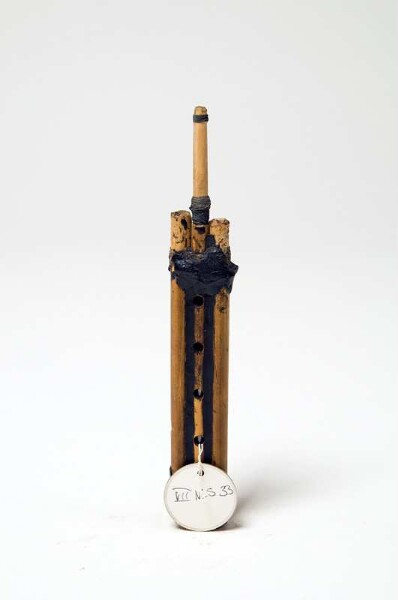
Clarinet with cylindrical tube with finger holes
This collection item does not have a name in the language of origin. If you know the name or have comments, use this form to contact the data-providing institution.