In addition to the technically required cookies, our website also uses cookies for statistical evaluation. You can also use the website without these cookies. By clicking on "I agree" you agree that we may set cookies for analysis purposes. You can see and change your cookie settings here.
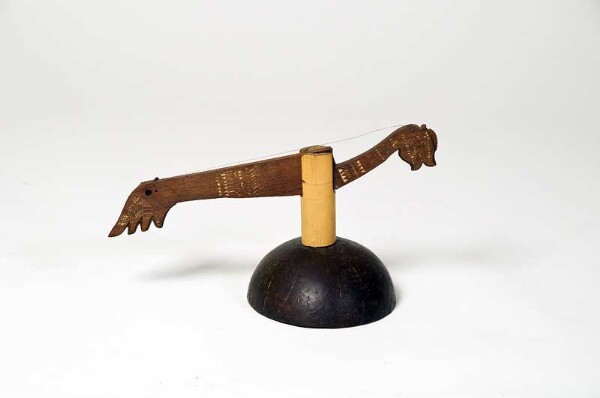
This collection item does not have a name in the language of origin. If you know the name or have comments, use this form to contact the data-providing institution.
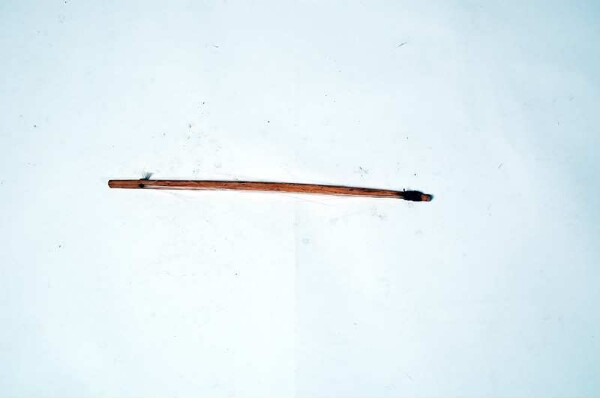
The nāgasvaram is one of the longest traditional double-reed instruments in India. It is usually played in the temples of southern India together with the barrel drum tavil. The slender body of this instrument is made of sandalwood and has seven front finger holes as well as one front and two side resonance holes.
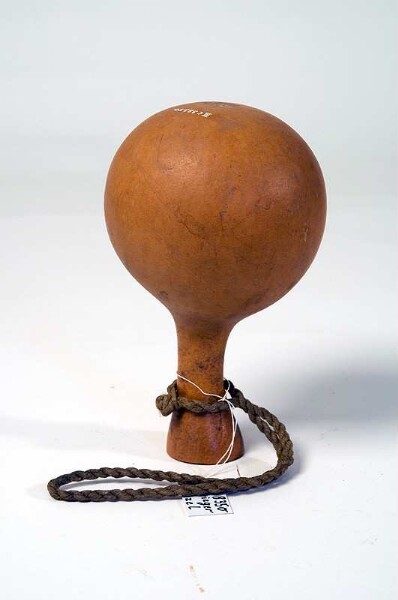
This collection item does not have a name in the language of origin. If you know the name or have comments, use this form to contact the data-providing institution.
Save
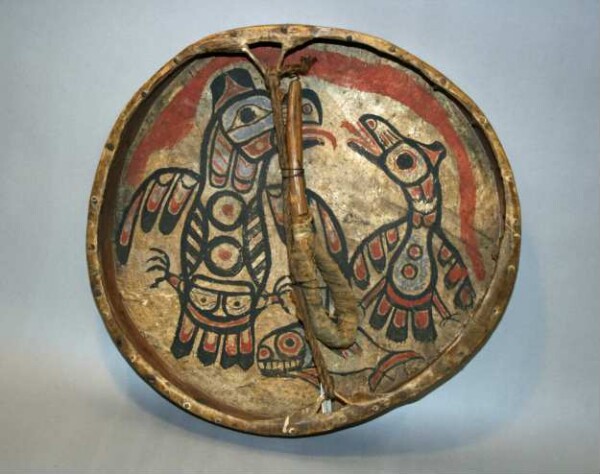
Shaman drum with mallet
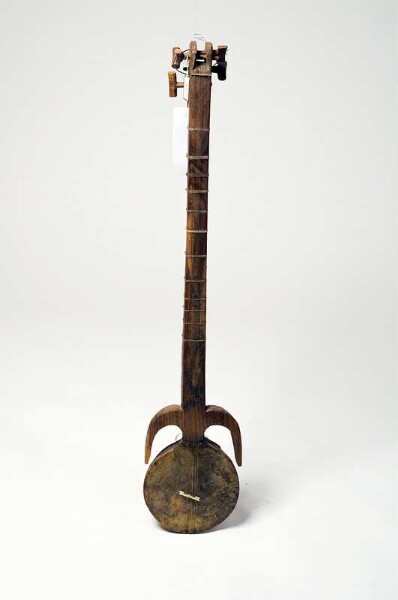
rawâß Räwap (Rubab)
Information about the language not available
Save
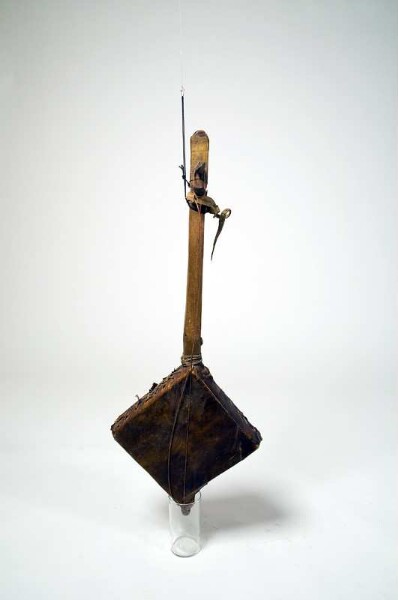
Bowl-necked lute
saringi
Information about the language not available
Save
saringi
This collection item does not have a name in the language of origin. If you know the name or have comments, use this form to contact the data-providing institution.
Save
lali ni meke
This collection item does not have a name in the language of origin. If you know the name or have comments, use this form to contact the data-providing institution.
Save
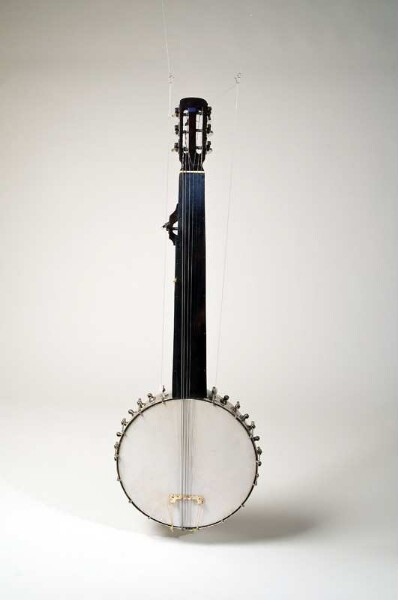
Box neck lute
This collection item does not have a name in the language of origin. If you know the name or have comments, use this form to contact the data-providing institution.
Save
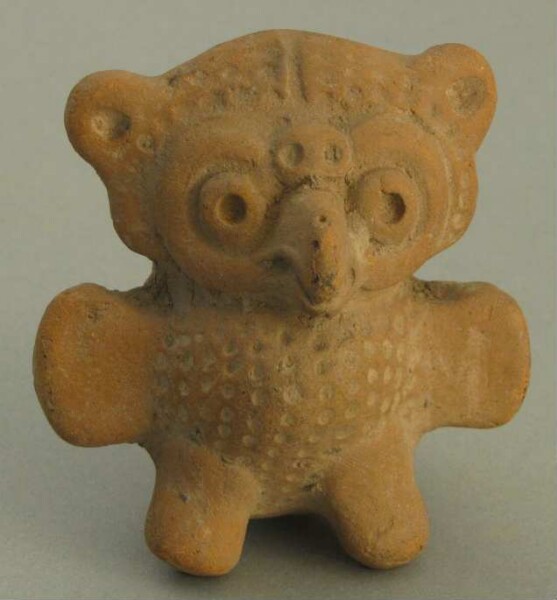
"Owl"
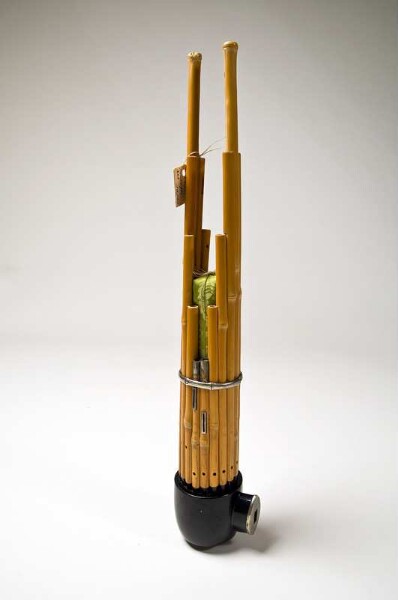
shô
Information about the language not available
Save
shô
Bulumbare
Information about the language not available
Save
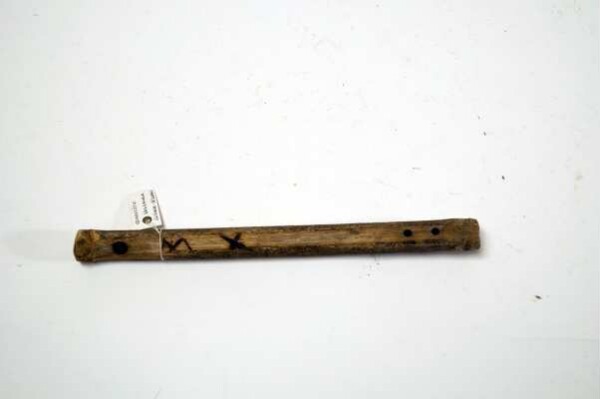
Docked transverse flute with finger holes
This collection item does not have a name in the language of origin. If you know the name or have comments, use this form to contact the data-providing institution.