In addition to the technically required cookies, our website also uses cookies for statistical evaluation. You can also use the website without these cookies. By clicking on "I agree" you agree that we may set cookies for analysis purposes. You can see and change your cookie settings here.
This collection item does not have a name in the language of origin. If you know the name or have comments, use this form to contact the data-providing institution.
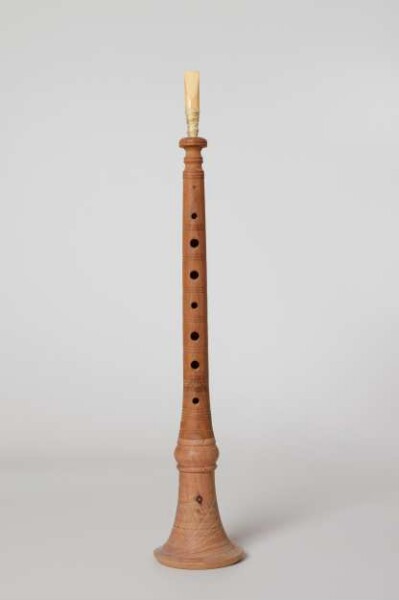
The Turkish Mey
are traditionally turned from apricot wood. The
The woodwind instrument with the large double reed is characterised by its
characterised by its slender cylindrical shape. This Cura Mey, which was acquired by a private
acquired by a private collector in Istanbul in 2003 and presented to the
Ethnological Museum in 2019.
This collection item does not have a name in the language of origin. If you know the name or have comments, use this form to contact the data-providing institution.
Save
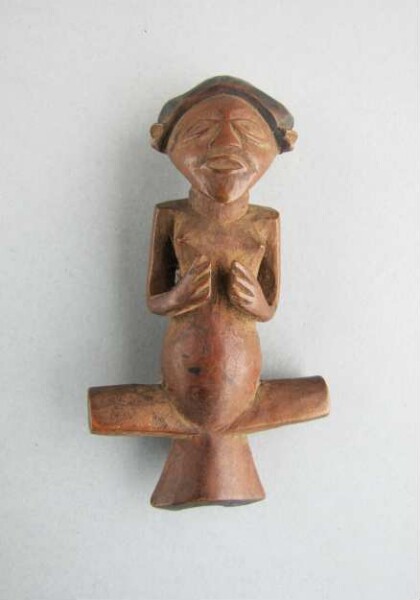
Female figure
This collection item does not have a name in the language of origin. If you know the name or have comments, use this form to contact the data-providing institution.
Save
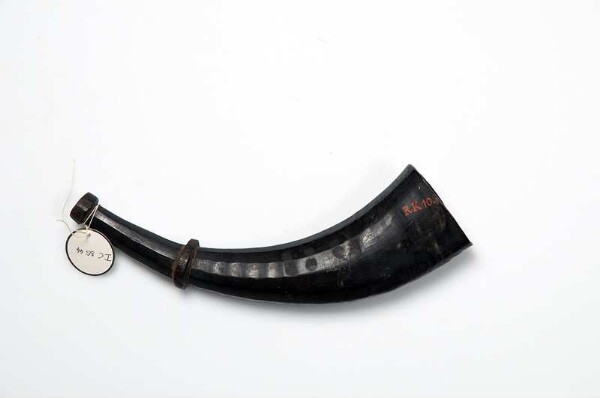
Tuda
This collection item does not have a name in the language of origin. If you know the name or have comments, use this form to contact the data-providing institution.
Save
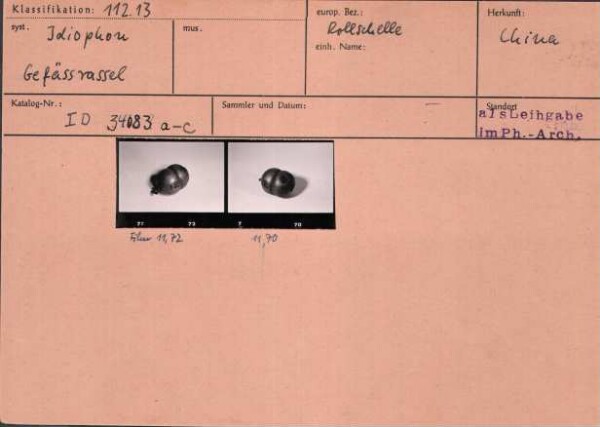
Vessel rattle
This collection item does not have a name in the language of origin. If you know the name or have comments, use this form to contact the data-providing institution.
Save
Ciaramella
This collection item does not have a name in the language of origin. If you know the name or have comments, use this form to contact the data-providing institution.
Save
Dance ornament
This collection item does not have a name in the language of origin. If you know the name or have comments, use this form to contact the data-providing institution.
Save
Clay whistle
suli (arca)
Information about the language not available
Save
suli (arca)
This collection item does not have a name in the language of origin. If you know the name or have comments, use this form to contact the data-providing institution.
Save
Counterblow plates
This collection item does not have a name in the language of origin. If you know the name or have comments, use this form to contact the data-providing institution.