In addition to the technically required cookies, our website also uses cookies for statistical evaluation. You can also use the website without these cookies. By clicking on "I agree" you agree that we may set cookies for analysis purposes. You can see and change your cookie settings here.
This collection item does not have a name in the language of origin. If you know the name or have comments, use this form to contact the data-providing institution.
The body of this Hnè galay from Myanmar has seven frontal tone holes and a thumb hole. The special feature of the instrument is that the funnel is not firmly attached to the body. On this example, the brass funnel is held in place with a cotton strap. The mouthpiece probably consists of two strong palm leaf segments.
This collection item does not have a name in the language of origin. If you know the name or have comments, use this form to contact the data-providing institution.
Save
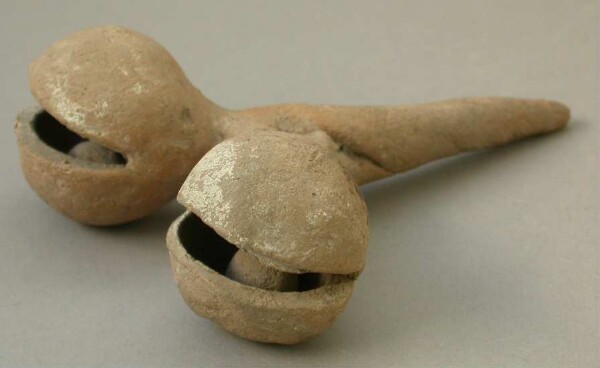
Clay rattle
zurna
Information about the language not available
Save
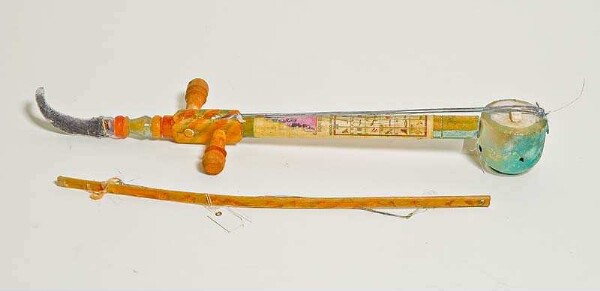
rebab
This collection item does not have a name in the language of origin. If you know the name or have comments, use this form to contact the data-providing institution.
Save
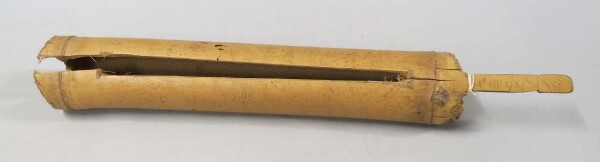
Slotted drums
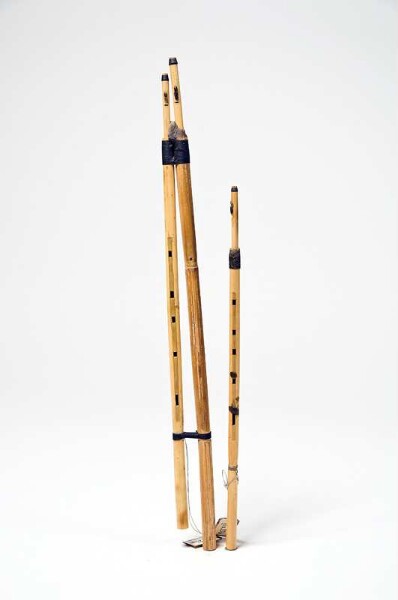
launeddas
Information about the language not available
Save
launedthe
This collection item does not have a name in the language of origin. If you know the name or have comments, use this form to contact the data-providing institution.
Save
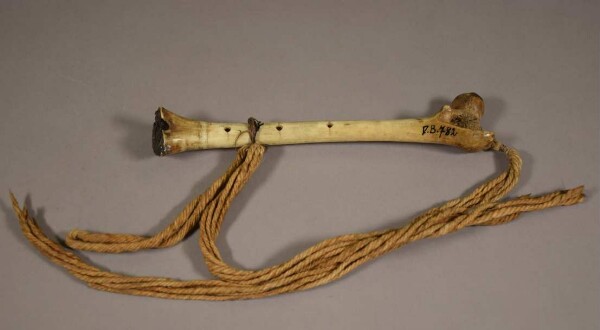
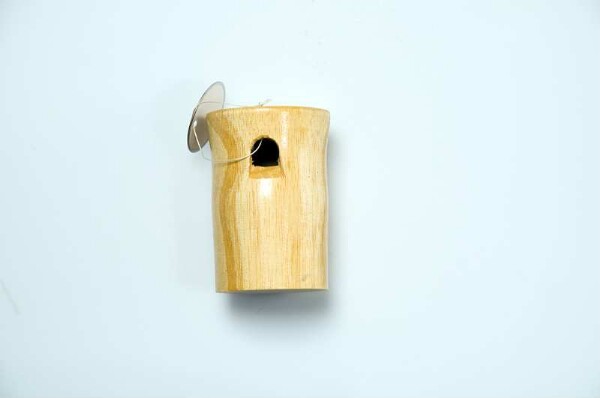
Flute
tourterelle
Information about the language not available
Save
tourterelle
This collection item does not have a name in the language of origin. If you know the name or have comments, use this form to contact the data-providing institution.
Save
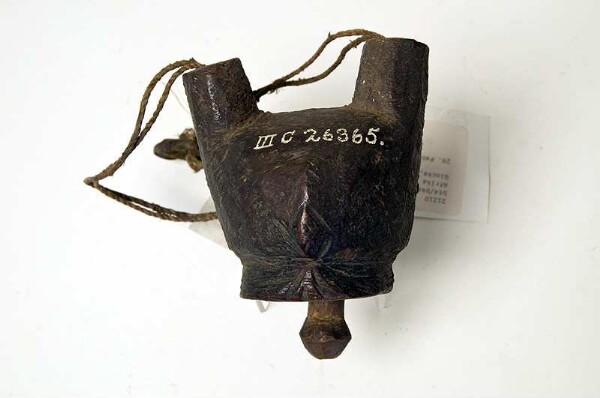
Wooden bell
This collection item does not have a name in the language of origin. If you know the name or have comments, use this form to contact the data-providing institution.