In addition to the technically required cookies, our website also uses cookies for statistical evaluation. You can also use the website without these cookies. By clicking on "I agree" you agree that we may set cookies for analysis purposes. You can see and change your cookie settings here.
This collection item does not have a name in the language of origin. If you know the name or have comments, use this form to contact the data-providing institution.
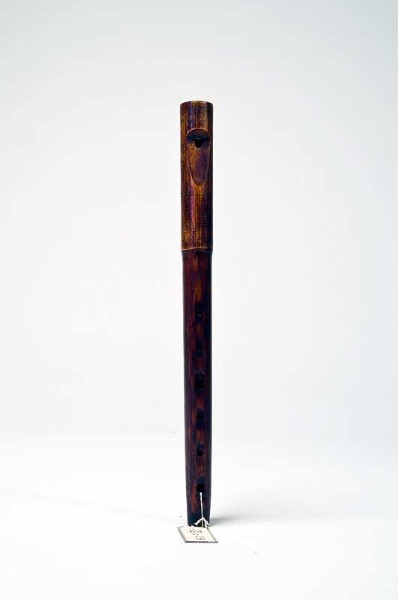
This woodwind instrument with double reed has a black-coloured body with seven front tone holes and sound holes as well as a fork insert made of boxwood. Decorative grooves adorn the instrument from the fork insert to the funnel, as do thin wire bands. The tube support and mouthpiece are exceptionally small. It is a zūrnā, which used to be played in Georgia in urban culture as part of an ensemble with the doli drum.
This collection item does not have a name in the language of origin. If you know the name or have comments, use this form to contact the data-providing institution.
Save
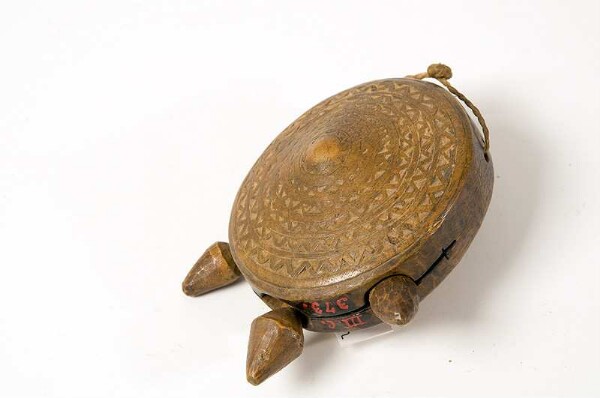
Rattle
This collection item does not have a name in the language of origin. If you know the name or have comments, use this form to contact the data-providing institution.
Save
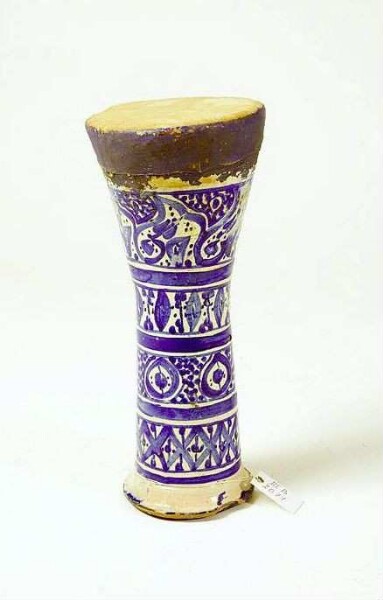
Drum
This collection item does not have a name in the language of origin. If you know the name or have comments, use this form to contact the data-providing institution.
Save
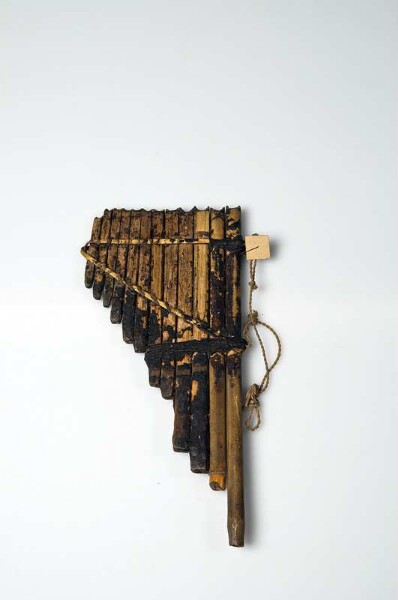
Longitudinal flute playing or pan flute
This collection item does not have a name in the language of origin. If you know the name or have comments, use this form to contact the data-providing institution.
Save
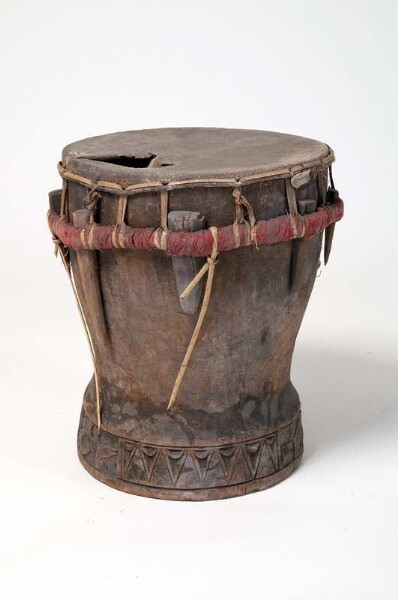
Cone drum
This collection item does not have a name in the language of origin. If you know the name or have comments, use this form to contact the data-providing institution.
Save
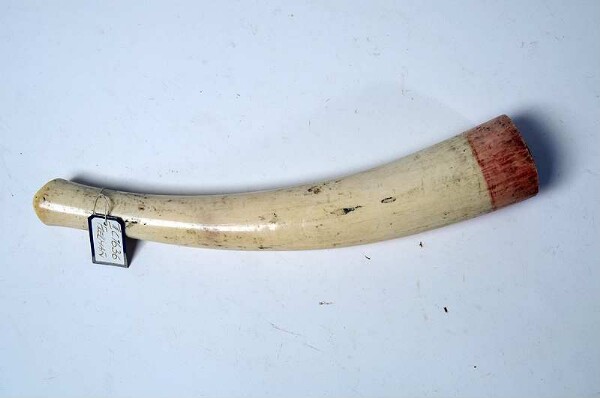
Horn
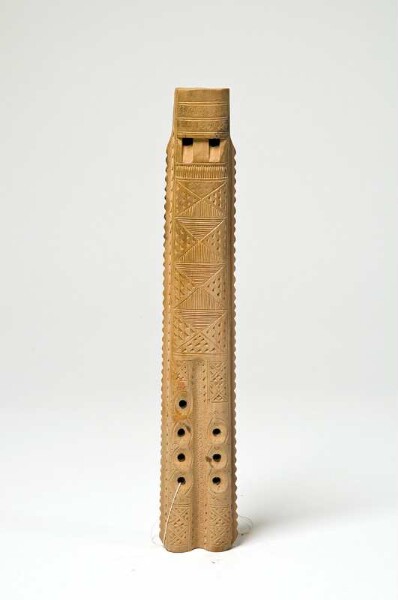
dvojnice
Information about the language not available
Save
dvojnice
This collection item does not have a name in the language of origin. If you know the name or have comments, use this form to contact the data-providing institution.
Save
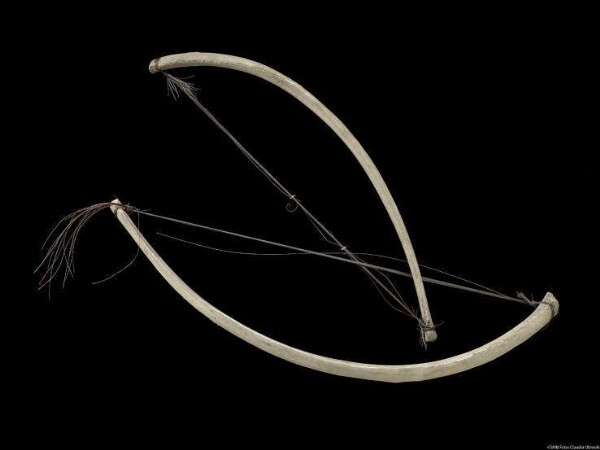
Kinkulkawe
This collection item does not have a name in the language of origin. If you know the name or have comments, use this form to contact the data-providing institution.
Save
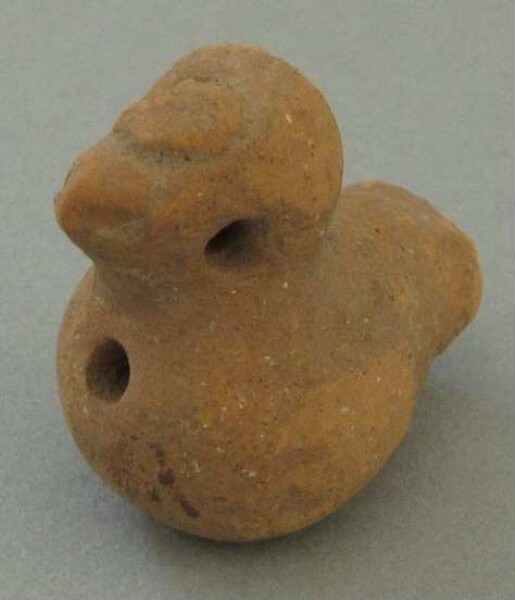
"Bird"
This collection item does not have a name in the language of origin. If you know the name or have comments, use this form to contact the data-providing institution.