In addition to the technically required cookies, our website also uses cookies for statistical evaluation. You can also use the website without these cookies. By clicking on "I agree" you agree that we may set cookies for analysis purposes. You can see and change your cookie settings here.
This collection item does not have a name in the language of origin. If you know the name or have comments, use this form to contact the data-providing institution.
Sticky note: "Outlet of the Lukuga River from the Tanganyika. 27 April. Width of the river at the outlet about 100 metres, depth about 1 1/2 metres. Immediately after its exit it narrows to about 50 - 60 metres, at 1 1/2 - 2 km to about 40 metres. Its depth is then about 2 or 3 metres. At approx. 60 metres wide and 2 metres deep, the water had a velocity of 1 1/3 metres. This means that about 160 cubic metres per second flowed out of the lake. However, the Lukuga is currently a wide, fast-flowing river. If the water level of the lake sinks by about 1 1/2 - 2 metres, the Lukuga would certainly stop flowing. At the outlet point there is alluvial land; about 1 1/2 - 2 km downstream there is a reddish, fine-grained and thick-banked sandstone."
This collection item does not have a name in the language of origin. If you know the name or have comments, use this form to contact the data-providing institution.
Save
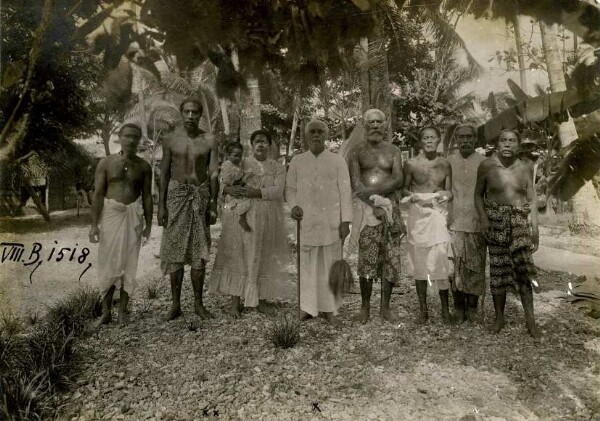
"Chief Mataafa of Samoa and exiled chiefs of Jalnit."
This collection item does not have a name in the language of origin. If you know the name or have comments, use this form to contact the data-providing institution.
Save
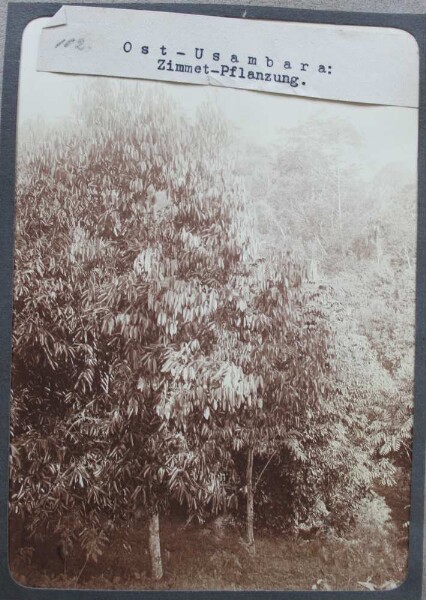
East Usambara. Zimmet planting
This collection item does not have a name in the language of origin. If you know the name or have comments, use this form to contact the data-providing institution.
Save
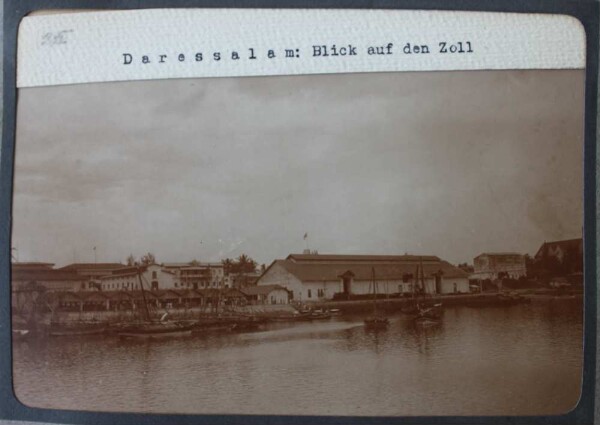
Dar es Salaam. View of the customs
This collection item does not have a name in the language of origin. If you know the name or have comments, use this form to contact the data-providing institution.
Save
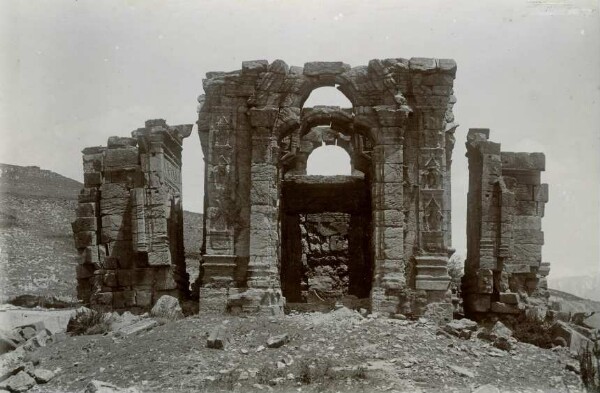
"Pandwas buildings"
This collection item does not have a name in the language of origin. If you know the name or have comments, use this form to contact the data-providing institution.
Save
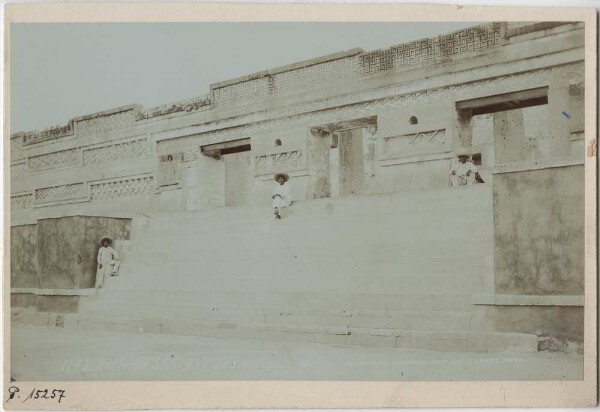
Palace ruins
This collection item does not have a name in the language of origin. If you know the name or have comments, use this form to contact the data-providing institution.
Save
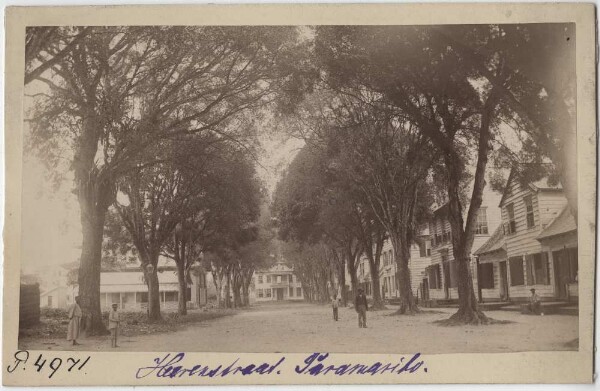
Heerenstraat. Paramaribo
This collection item does not have a name in the language of origin. If you know the name or have comments, use this form to contact the data-providing institution.
Save
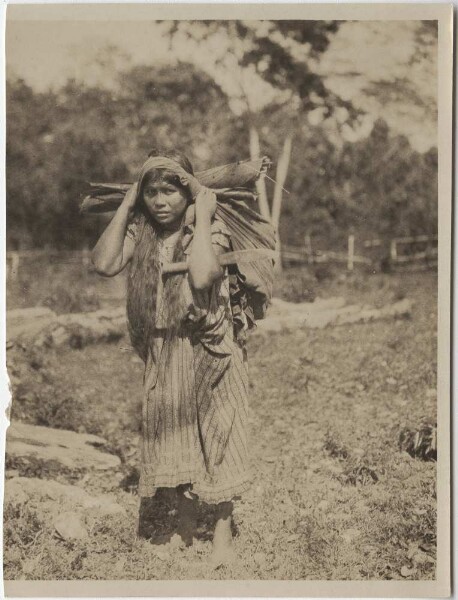
Cavina
This collection item does not have a name in the language of origin. If you know the name or have comments, use this form to contact the data-providing institution.
Save
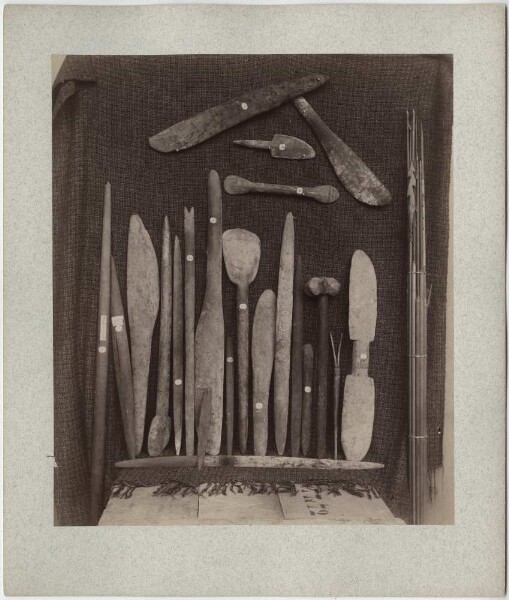
Wooden objects from the Macedo Collection
This collection item does not have a name in the language of origin. If you know the name or have comments, use this form to contact the data-providing institution.
Save
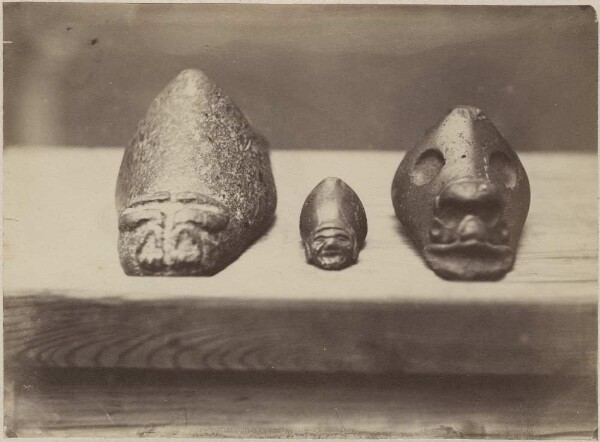
Three stone sculptures
This collection item does not have a name in the language of origin. If you know the name or have comments, use this form to contact the data-providing institution.
Save
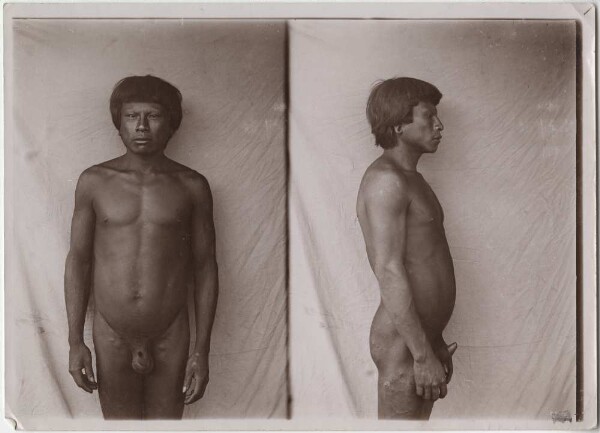
Type approval of the Kayapó Bepére
This collection item does not have a name in the language of origin. If you know the name or have comments, use this form to contact the data-providing institution.