In addition to the technically required cookies, our website also uses cookies for statistical evaluation. You can also use the website without these cookies. By clicking on "I agree" you agree that we may set cookies for analysis purposes. You can see and change your cookie settings here.
This collection item does not have a name in the language of origin. If you know the name or have comments, use this form to contact the data-providing institution.
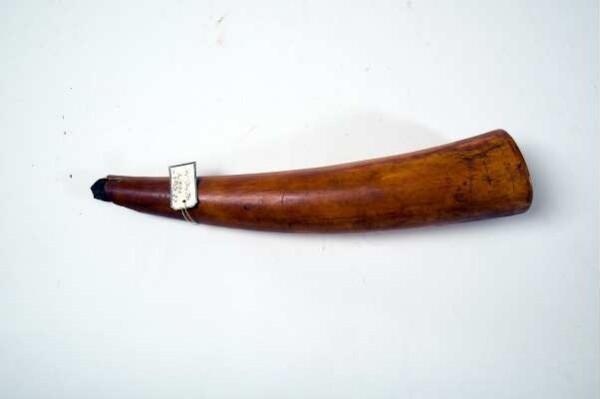
This sarunei comes from the Simalungun-Batak region (east of Lake Toba). It has a slender, slightly conical body made of a type of maple (juhar) that ends in a barrel-shaped bamboo funnel. The instrument has six frontal tone holes and a thumb hole between the first and second tone hole. There are two metal rings at the top of the body and funnel. The lead pipe support has a slightly curved round lip disc made of coconut. The small, simple mouthpiece made of palm leaf (anak ni sarunei = child of the sarunei) is attached to a small, short quill.
This collection item does not have a name in the language of origin. If you know the name or have comments, use this form to contact the data-providing institution.
Save
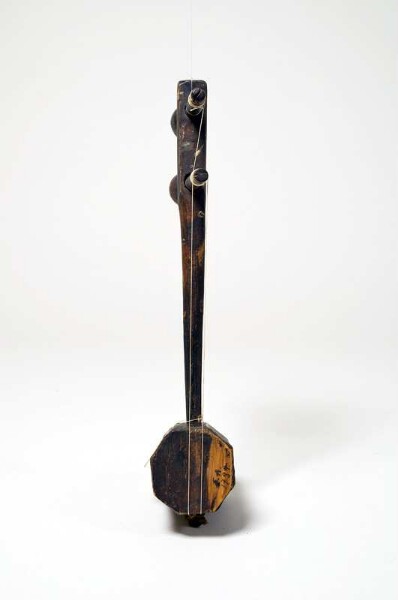
dutar
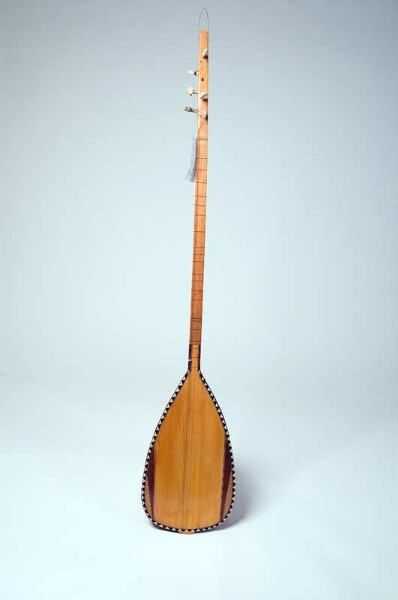
surmanjali
Information about the language not available
Save
surmanjali
ajaeng
Information about the language not available
Save
ajaeng
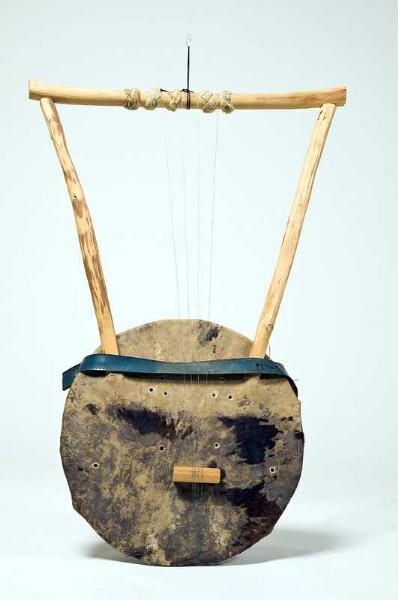
ennanga
Information about the language not available
Save
ennanga
This collection item does not have a name in the language of origin. If you know the name or have comments, use this form to contact the data-providing institution.
Save
Clapper bell
This collection item does not have a name in the language of origin. If you know the name or have comments, use this form to contact the data-providing institution.
Save
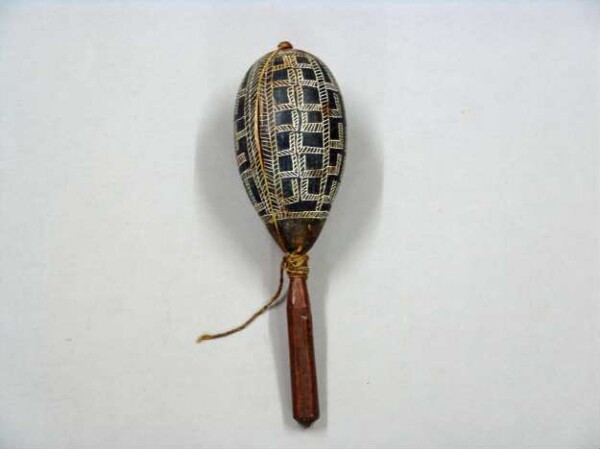
Rattle
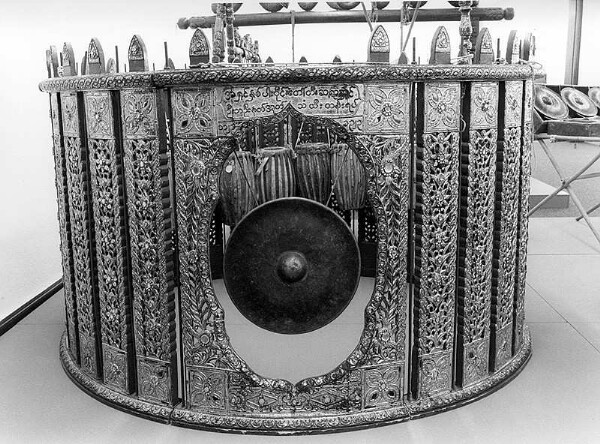
pat waing (Hsaing-Waing-Ens.)
Information about the language not available
Save
pat waing
This collection item does not have a name in the language of origin. If you know the name or have comments, use this form to contact the data-providing institution.
Save
Goat bell or dog bell
This collection item does not have a name in the language of origin. If you know the name or have comments, use this form to contact the data-providing institution.