Rights management: Linden-Museum Stuttgart
Attribution - NonCommercial - NoDerivs 4.0 International
Full screen
Initial display
Zoom in
Zoom out
Previous image
Next image
Downloads the object

This collection item does not have a name in the language of origin. If you know the name or have comments, use this form to contact the data-providing institution.
Copper Anklet for a Woman (Ongondo)


Historical research carried out by the Museums Association of Namibia (see publication 2019, available online) attributes the production of this kind of anklet for women exclusively to blacksmiths active in the Ondonga Owambo kingdom at the time when this object was dispatched to Stuttgart. They also produced them for sale and their customers would have payed quite a high price for them. Text: Sandra Ferracuti.
- Data Provider
- Linden-Museum Stuttgart Staatliches Museum für Völkerkunde Show original at data provider
Cataloguing data
- Cultural attribution
- Ambo
- Object type
- Foot ring
- Dimensions
- Diameter: 13.4 cm
- Material/Technique
-
Copper, Copper alloy
Forged
- Current location
- Linden-Museum Stuttgart
- Inventory number
- 036962
Provenance and sources
-
Assignment to a curated holding:
-
Production
-
when
-
around 1900
-
-
Change of physical control or legal title
-
where
-
Namibia
-
-
Change of physical control
-
when
-
1904
-
- Provenance
-
Albert Hoffa was himself born in Richmond (South Africa). Even after moving to Germany, he maintained contact with his family in South Africa, including his sister Harriet. The objects from "German South-West Africa" may have been acquired in part through these contacts, but most were probably acquired through his friend Dr. Anton Lübbert (as in the case of Hoffa's brother-in-law Ferdinand Bang). Lübbert also procured the four "Benin bronzes" contained in the collection from the previous owner Adolph Heemke from Geestemünde. Heemke himself was a merchant in West Africa.
Text: Christoph Rippe.
Information about the record
- Legal status metadata
- CC BY-NC-ND 4.0 DEED
Related objects
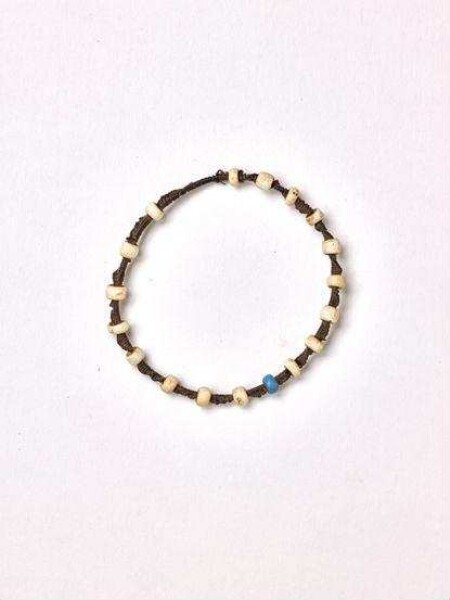
This collection item does not have a name in the language of origin. If you know the name or have comments, use this form to contact the data-providing institution.
Save
Bracelet
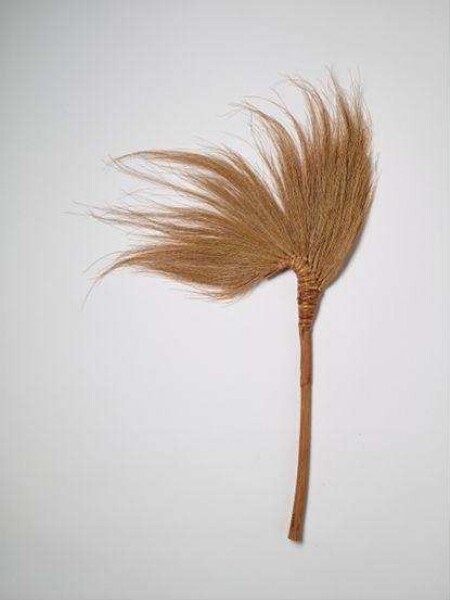
This collection item does not have a name in the language of origin. If you know the name or have comments, use this form to contact the data-providing institution.
Save
Fly Whisk
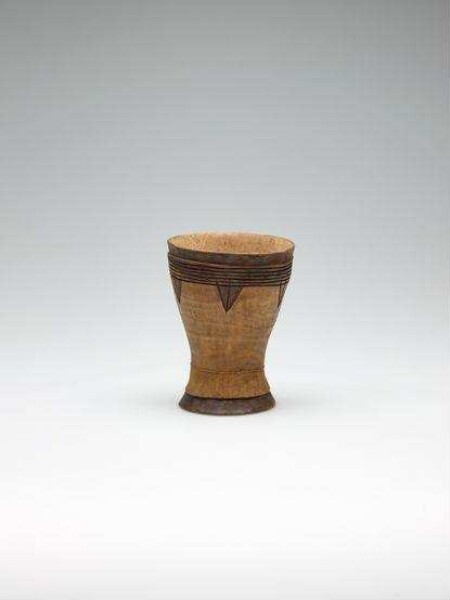
This collection item does not have a name in the language of origin. If you know the name or have comments, use this form to contact the data-providing institution.
Save
Beer Glass (Oshitenga)
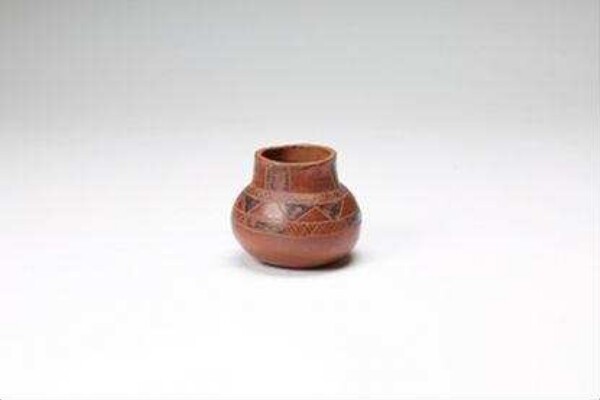
This collection item does not have a name in the language of origin. If you know the name or have comments, use this form to contact the data-providing institution.
Save
Pot
This collection item does not have a name in the language of origin. If you know the name or have comments, use this form to contact the data-providing institution.
Save
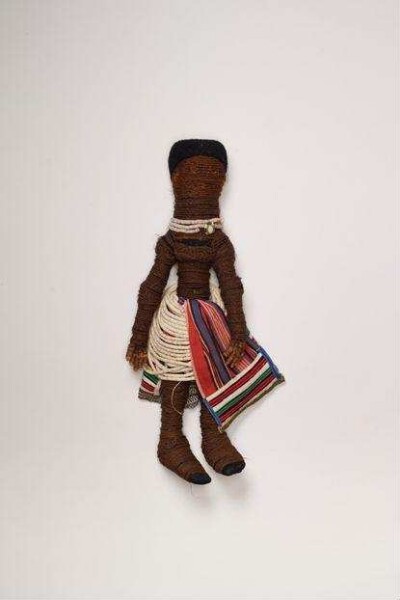
Doll
This collection item does not have a name in the language of origin. If you know the name or have comments, use this form to contact the data-providing institution.
Save
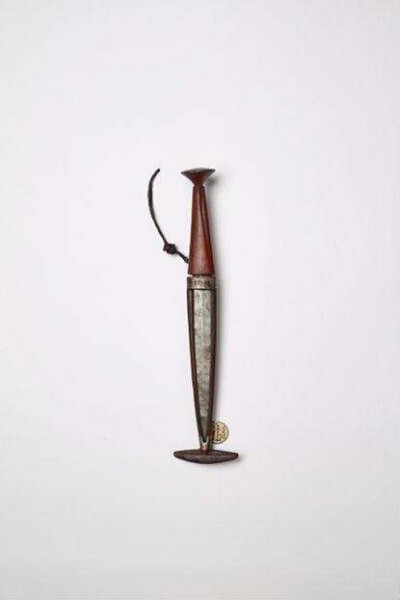
Knife with Sheath
This collection item does not have a name in the language of origin. If you know the name or have comments, use this form to contact the data-providing institution.
Save
Arrow
This collection item does not have a name in the language of origin. If you know the name or have comments, use this form to contact the data-providing institution.
Save
Container for Body and Hair Butter
This collection item does not have a name in the language of origin. If you know the name or have comments, use this form to contact the data-providing institution.
Save
Beer Goblet (Oshitenga)
This collection item does not have a name in the language of origin. If you know the name or have comments, use this form to contact the data-providing institution.
Save
Ring
This collection item does not have a name in the language of origin. If you know the name or have comments, use this form to contact the data-providing institution.
Save
Bracelet
This content was machine-translated