In addition to the technically required cookies, our website also uses cookies for statistical evaluation. You can also use the website without these cookies. By clicking on "I agree" you agree that we may set cookies for analysis purposes. You can see and change your cookie settings here.
As no. 205 [VII f 31] However, the tension ring and the lower tailpiece each have a simple wire winding. The outer curvature of the bowl is spanned twice by a skin strap. A cloth cord running between the two longitudinal arms. Two tassels made of coloured woollen cords attached to the yoke bars. from Ulrich Wegner: Afrikanische Saiteninstrumente, Staatliche Museen Berlin - SPK, 1984 (Appendix Object Catalogue)
This collection item does not have a name in the language of origin. If you know the name or have comments, use this form to contact the data-providing institution.
Save
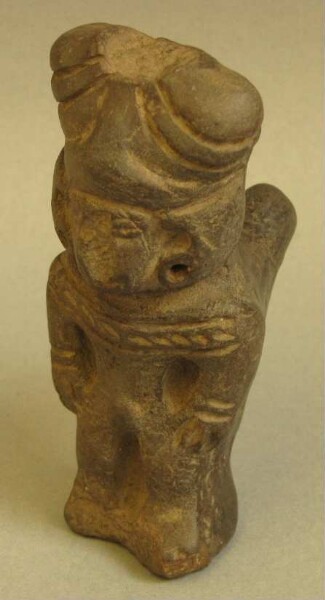
Clay whistle
This collection item does not have a name in the language of origin. If you know the name or have comments, use this form to contact the data-providing institution.
Save
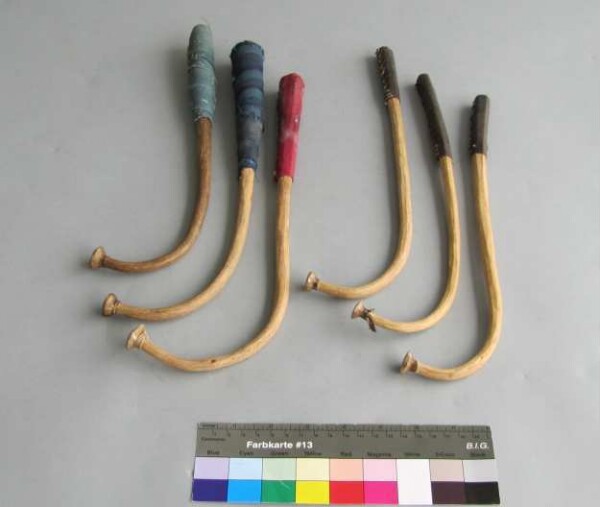
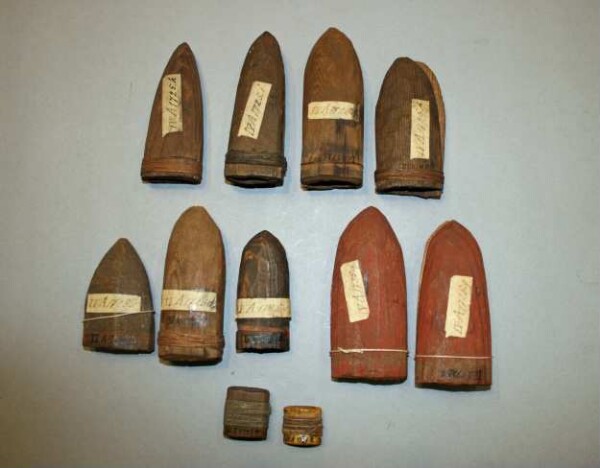
Drumsticks
This collection item does not have a name in the language of origin. If you know the name or have comments, use this form to contact the data-providing institution.
Save
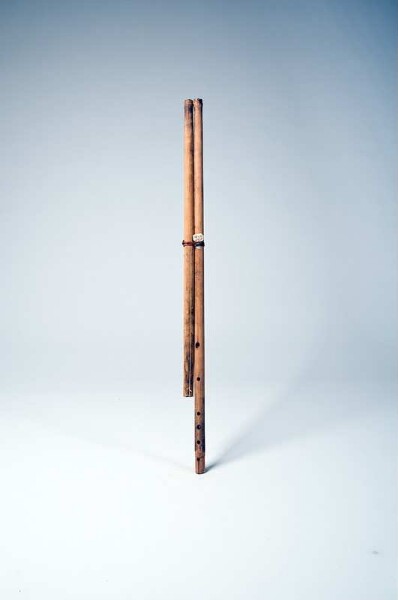
Outdoor flute playing
This collection item does not have a name in the language of origin. If you know the name or have comments, use this form to contact the data-providing institution.
Save
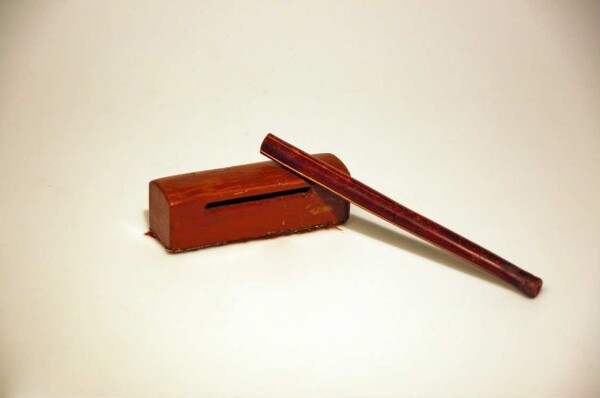
Independent impact tube
This collection item does not have a name in the language of origin. If you know the name or have comments, use this form to contact the data-providing institution.
Save
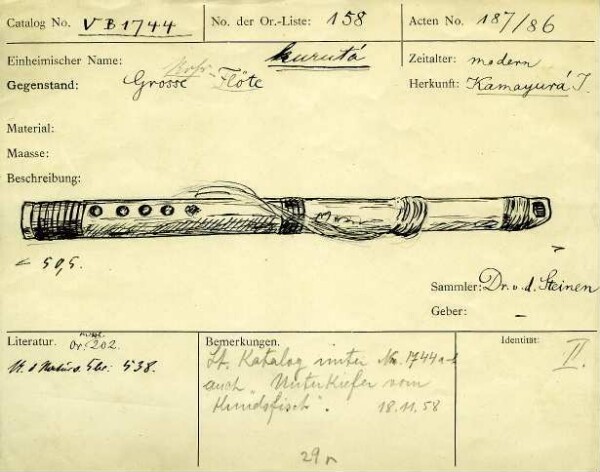
Giant flute
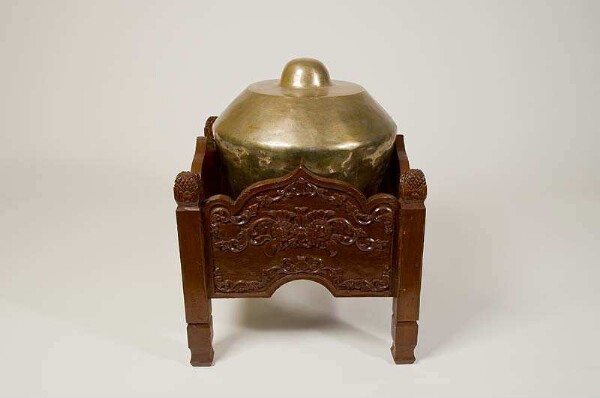
kenong (Gamelan)
Information about the language not available
Save
kenong (Gamelan)
This collection item does not have a name in the language of origin. If you know the name or have comments, use this form to contact the data-providing institution.
Save
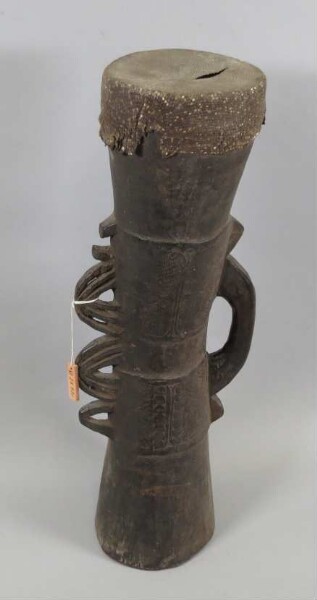
Hand drum
This collection item does not have a name in the language of origin. If you know the name or have comments, use this form to contact the data-providing institution.
Save
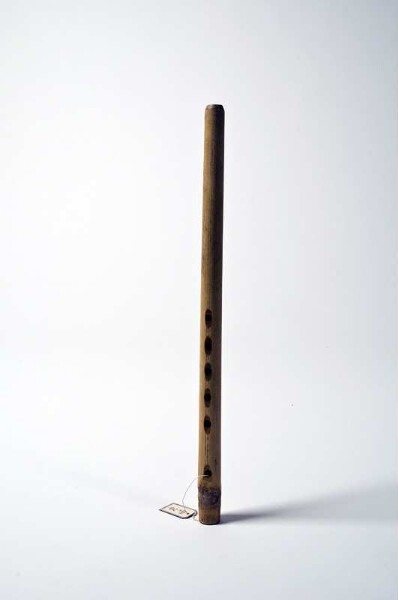
Flutes
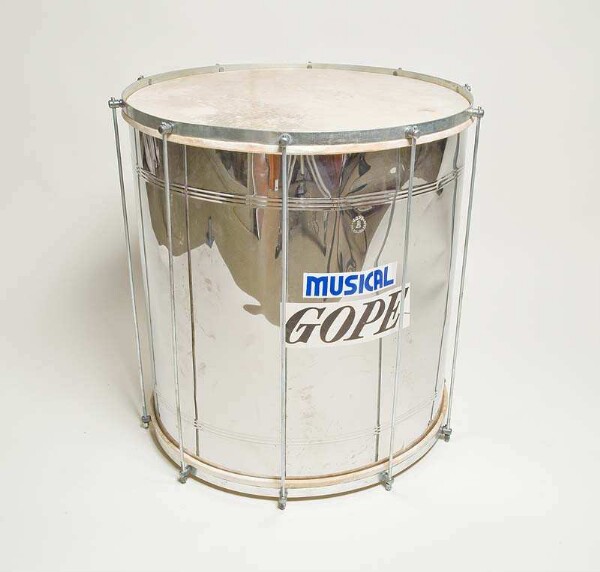
surdam biasa
Information about the language not available
Save
surdam biasa
This collection item does not have a name in the language of origin. If you know the name or have comments, use this form to contact the data-providing institution.