In addition to the technically required cookies, our website also uses cookies for statistical evaluation. You can also use the website without these cookies. By clicking on "I agree" you agree that we may set cookies for analysis purposes. You can see and change your cookie settings here.
This collection item does not have a name in the language of origin. If you know the name or have comments, use this form to contact the data-providing institution.
The carved wooden body consists of two hollow cones that join together with the smaller bases. A serrated band with an eyelet at the side is carved at the joint. Both sides are covered with a membrane made of strong leather. The edges of the membrane are each cut open to form numerous "ears" and attached to a braided rattan ring with a vegetable binding, which is fixed in place by numerous wooden wedges.
This collection item does not have a name in the language of origin. If you know the name or have comments, use this form to contact the data-providing institution.
Save
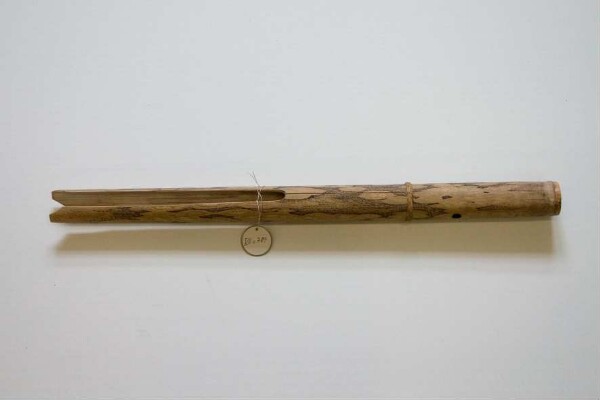
Counter-impact gutters or gutter rattles
This collection item does not have a name in the language of origin. If you know the name or have comments, use this form to contact the data-providing institution.
Save
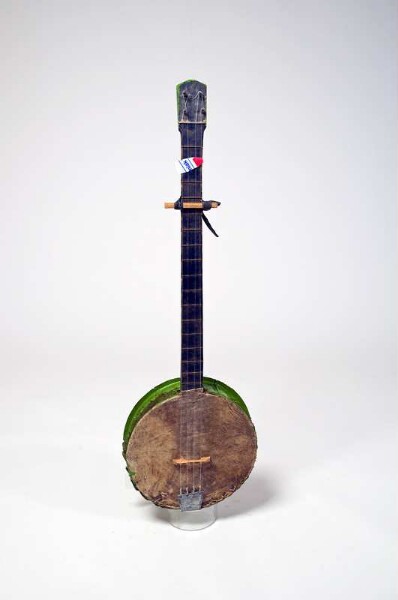
banjo
This collection item does not have a name in the language of origin. If you know the name or have comments, use this form to contact the data-providing institution.
Save
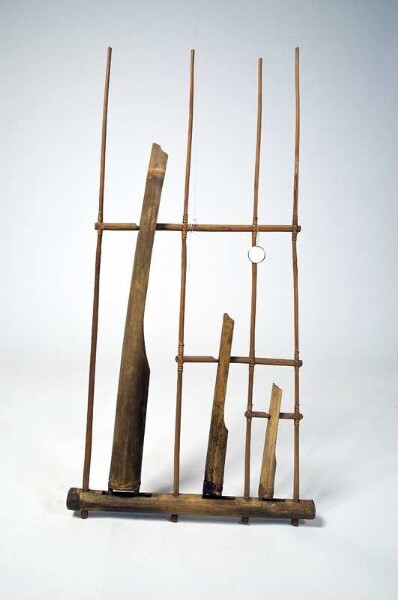
anklung
Image not available
This collection item does not have a name in the language of origin. If you know the name or have comments, use this form to contact the data-providing institution.
Save
Sitar
This collection item does not have a name in the language of origin. If you know the name or have comments, use this form to contact the data-providing institution.
Save
Clamps
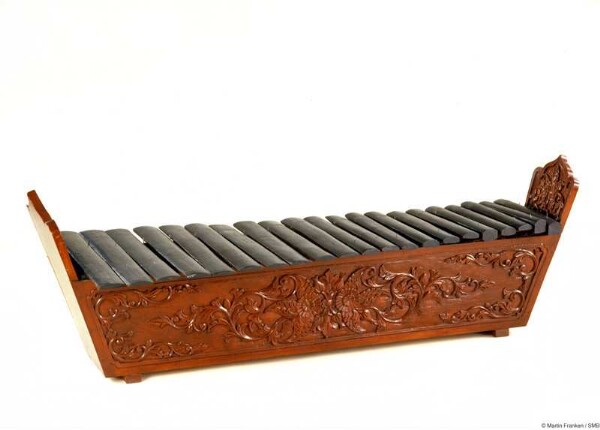
gambang kayu (Gamelan)
Information about the language not available
Save
gambang kayu (gamelan)
This collection item does not have a name in the language of origin. If you know the name or have comments, use this form to contact the data-providing institution.
Save
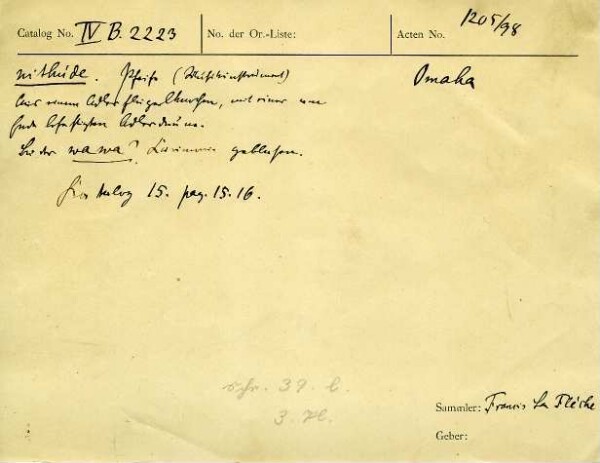
Whistle (music)
This collection item does not have a name in the language of origin. If you know the name or have comments, use this form to contact the data-providing institution.
Save
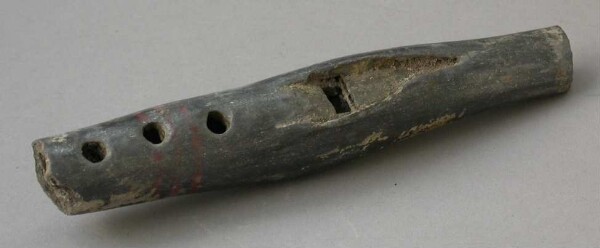
Clay flute (fragment)
This collection item does not have a name in the language of origin. If you know the name or have comments, use this form to contact the data-providing institution.
Save
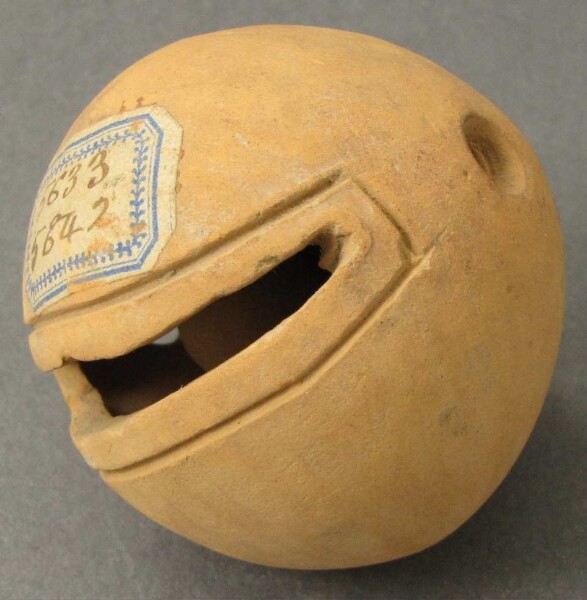
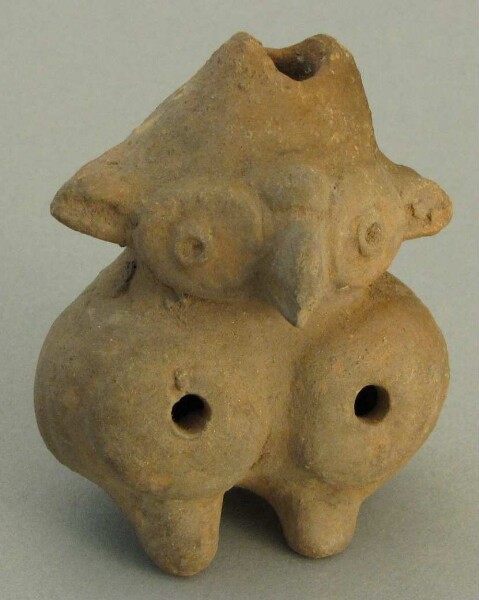
"Owl"
This collection item does not have a name in the language of origin. If you know the name or have comments, use this form to contact the data-providing institution.