In addition to the technically required cookies, our website also uses cookies for statistical evaluation. You can also use the website without these cookies. By clicking on "I agree" you agree that we may set cookies for analysis purposes. You can see and change your cookie settings here.
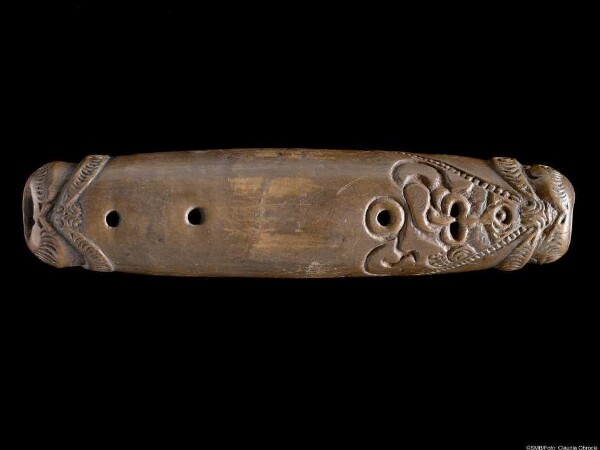
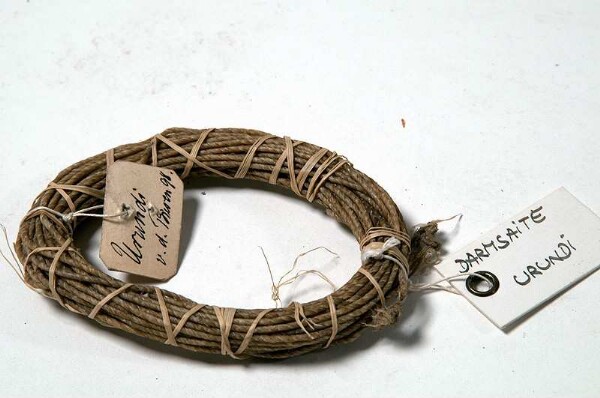
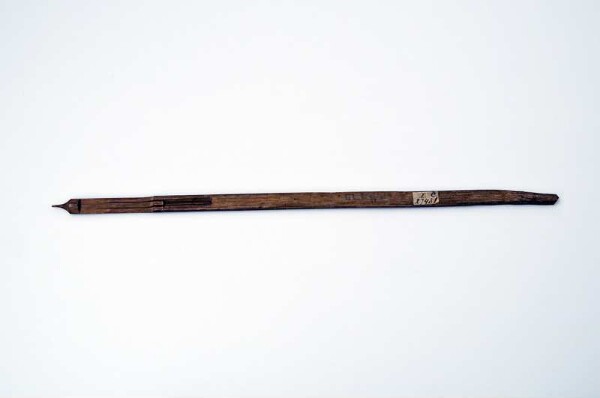
A rod terminating at one end with a semi-oval surface segment and pointing slightly upwards at the other. The bar surface [is] slightly waisted towards the centre. The entire resonator construction is missing. One string [is] made of twisted plant fibre. Between the handles [are] button-shaped extensions of the stick surface. from Ulrich Wegner: Afrikanische Saiteninstrumente, Staatliche Museen Berlin - SPK, 1984 (Appendix Object Catalogue)
This collection item does not have a name in the language of origin. If you know the name or have comments, use this form to contact the data-providing institution.
Save
koauau
This collection item does not have a name in the language of origin. If you know the name or have comments, use this form to contact the data-providing institution.
Save
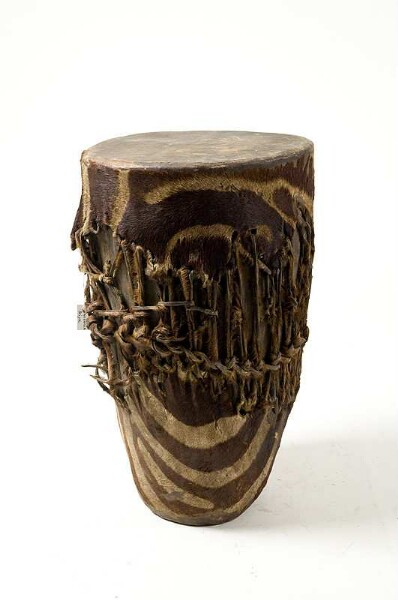
Drum
This collection item does not have a name in the language of origin. If you know the name or have comments, use this form to contact the data-providing institution.
Save
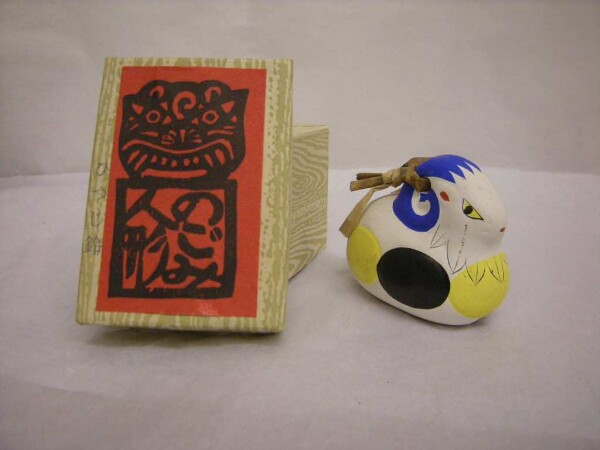
Goat
This collection item does not have a name in the language of origin. If you know the name or have comments, use this form to contact the data-providing institution.
Save
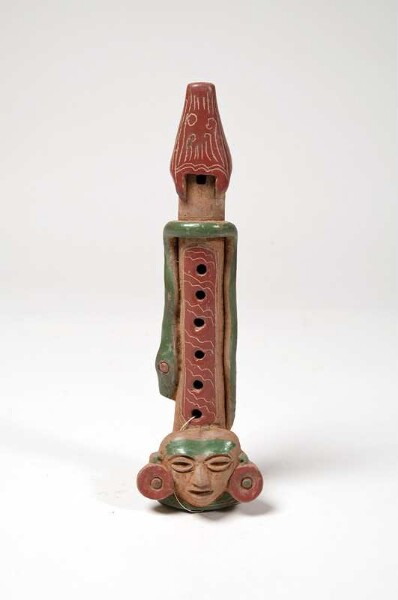
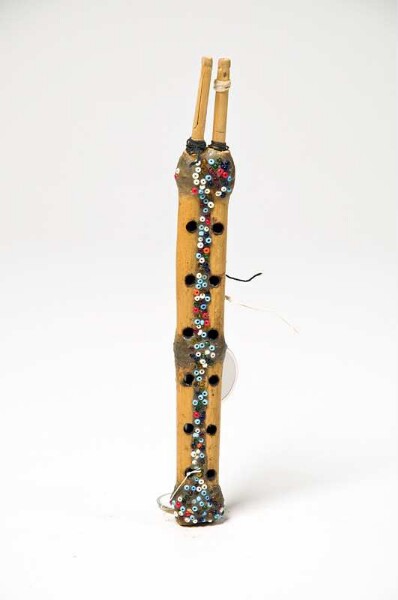
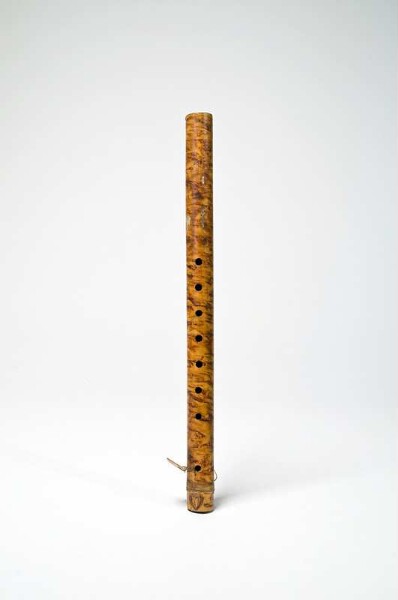
Open inner flute with finger holes
dozale*
Information about the language not available
Save
dozale
umulia w´inanga inanga
Information about the language not available
Save
inanga
This collection item does not have a name in the language of origin. If you know the name or have comments, use this form to contact the data-providing institution.
Save
Idioglotte Jew's harp
This collection item does not have a name in the language of origin. If you know the name or have comments, use this form to contact the data-providing institution.
Save
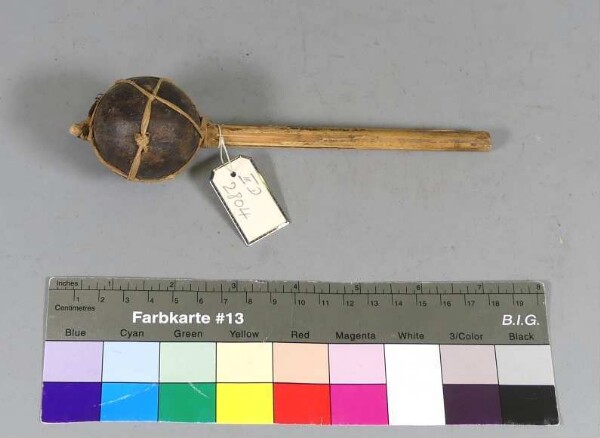
Rattle
This collection item does not have a name in the language of origin. If you know the name or have comments, use this form to contact the data-providing institution.
Save
Semi-dovetailed inner flute with finger holes
This collection item does not have a name in the language of origin. If you know the name or have comments, use this form to contact the data-providing institution.
Save
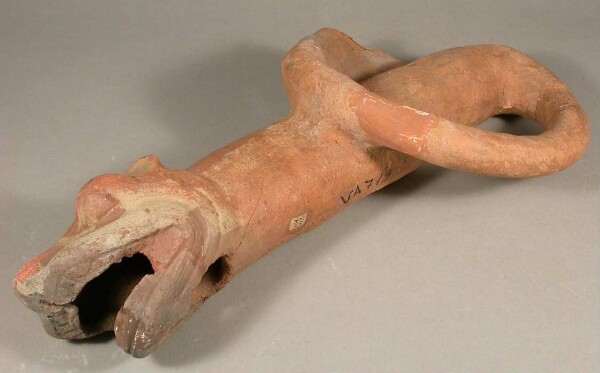
Clay trumpet
This collection item does not have a name in the language of origin. If you know the name or have comments, use this form to contact the data-providing institution.