In addition to the technically required cookies, our website also uses cookies for statistical evaluation. You can also use the website without these cookies. By clicking on "I agree" you agree that we may set cookies for analysis purposes. You can see and change your cookie settings here.
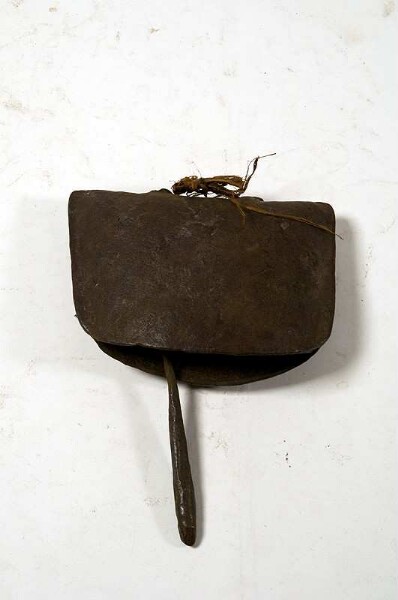
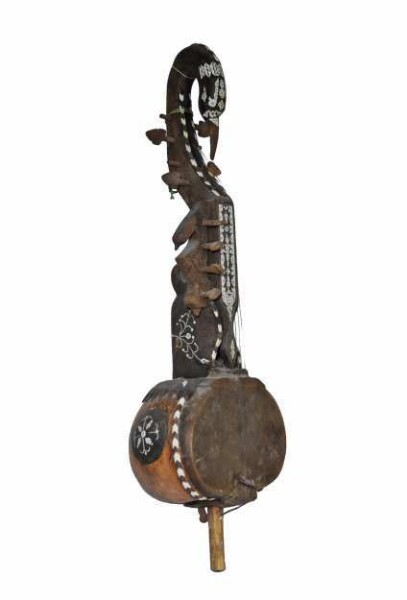
A string [consists] of twisted plant fibre. A flat wooden stick. The three handle pins [are] carved on one side only. A scissor-like fork on the other end of the stick [is] vertical. Only the upper tip of the fork has an extension for attaching the string. A leather strap loop inside the spherical resonator calabash [is] looped into a knot. In the resonator [are] rows of perforations as remnants of old break seams. Between the three handle points [are] two expansions of the stick surface. from Ulrich Wegner: Afrikanische Saiteninstrumente, Staatliche Museen Berlin - SPK, 1984 (Appendix Object Catalogue)
This collection item does not have a name in the language of origin. If you know the name or have comments, use this form to contact the data-providing institution.
Save
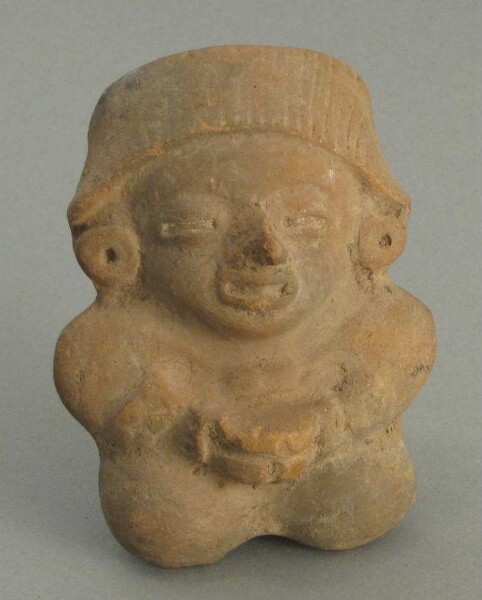
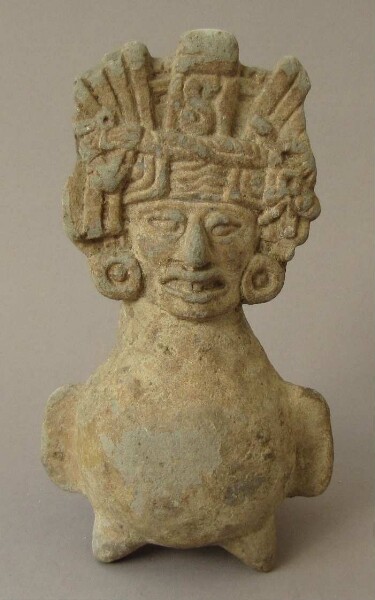
Clay whistle
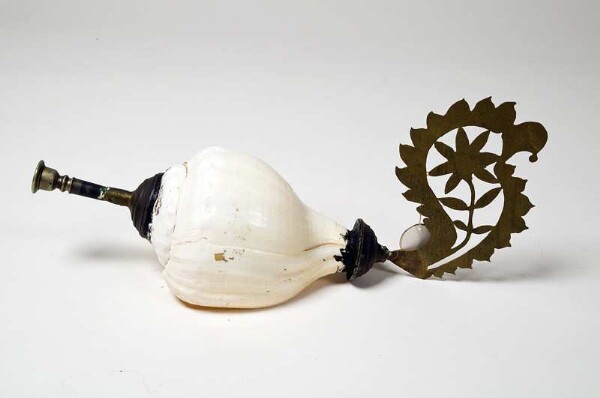
dhavalashanka
Information about the language not available
Save
dhavalashanka
kijofu
Information about the language not available
Save
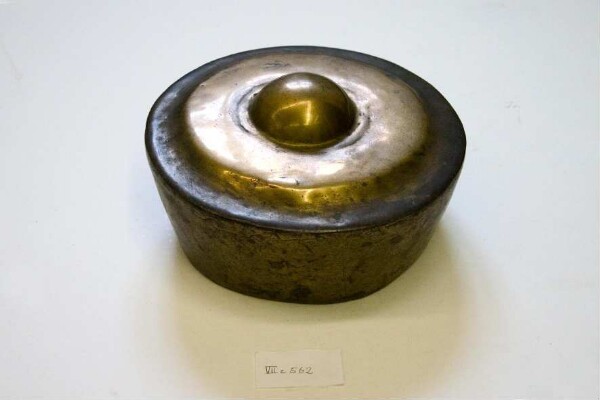
Cowbell
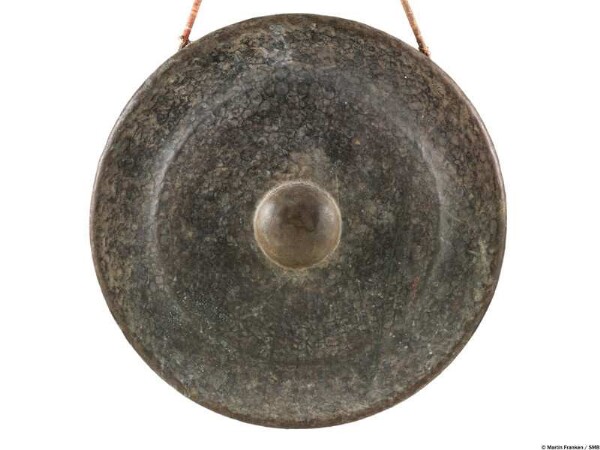
gong ageng
Information about the language not available
Save
gong ageng
This collection item does not have a name in the language of origin. If you know the name or have comments, use this form to contact the data-providing institution.
Save
Clay whistle
slowli
Information about the language not available
Save
slowli
kang ling
Information about the language not available
Save
kang ling
This collection item does not have a name in the language of origin. If you know the name or have comments, use this form to contact the data-providing institution.
Save
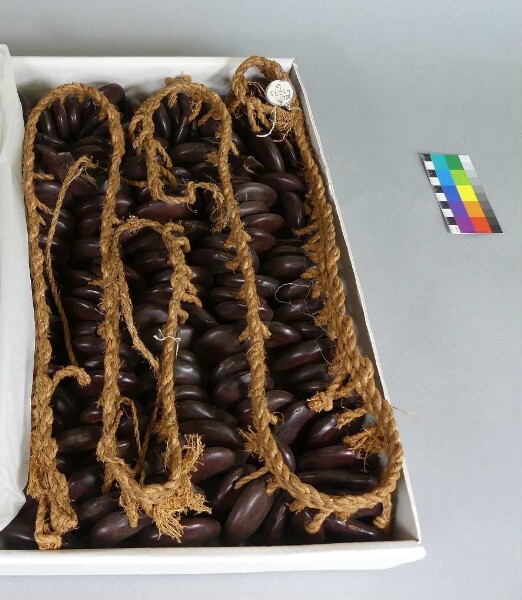
Foot rattle
kulintang
Information about the language not available
Save
kulintang
mini-caña
Information about the language not available
Save
mini-caña
This collection item does not have a name in the language of origin. If you know the name or have comments, use this form to contact the data-providing institution.