In addition to the technically required cookies, our website also uses cookies for statistical evaluation. You can also use the website without these cookies. By clicking on "I agree" you agree that we may set cookies for analysis purposes. You can see and change your cookie settings here.
This collection item does not have a name in the language of origin. If you know the name or have comments, use this form to contact the data-providing institution.
Form: Sansa with brand paintings and bamboo tongues Named the Calabar lamellophone (after Kubik), it differs from the associated type in the following characteristics: - The arrangement of the lamellae is V-shaped, so there is only one low tone, in the centre - It is smaller. Gerhard Kubik: Kalimba, Nsansi, Mbira - Lamellophones in Africa: Veröffentlichungen des Museums für Völkerkunde Berlin (SMB), 1998 - Neue Folge 68 - Musikethnologie X, p. 128 (Fig. 80a / Fig. 80b)
This collection item does not have a name in the language of origin. If you know the name or have comments, use this form to contact the data-providing institution.
Save
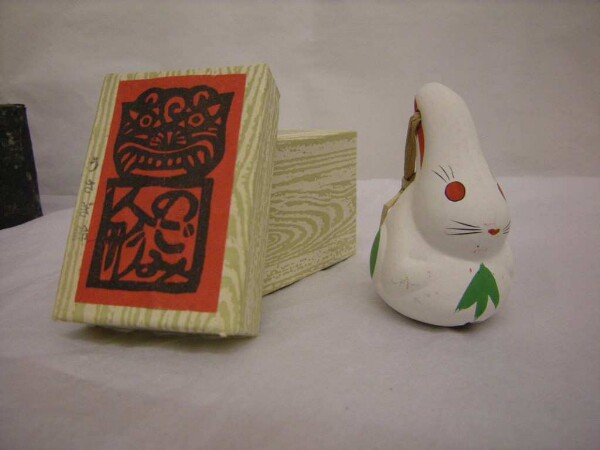
Hare
kantimbwa
Information about the language not available
Save
kantimbwa
kioma ki´ omnana= Eisen des Kindes
Information about the language not available
Save
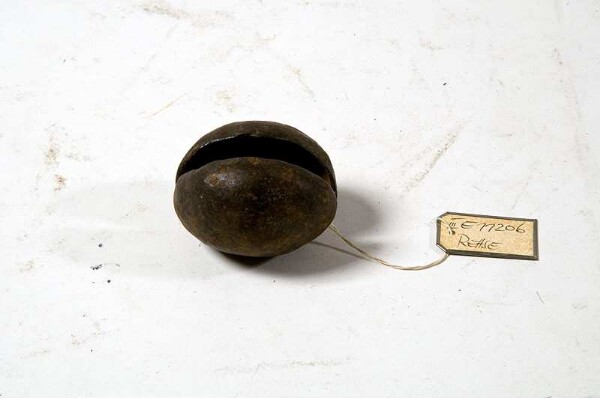
Vessel rattle (toy)
This collection item does not have a name in the language of origin. If you know the name or have comments, use this form to contact the data-providing institution.
Save
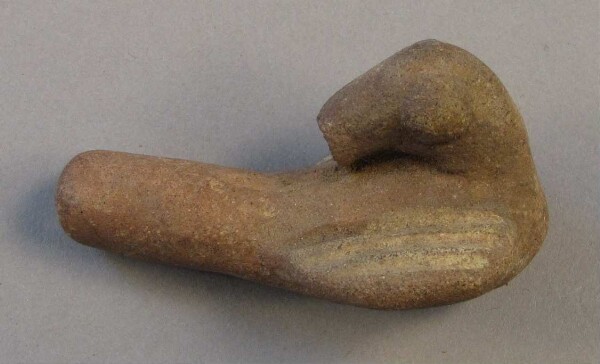
Bird figure
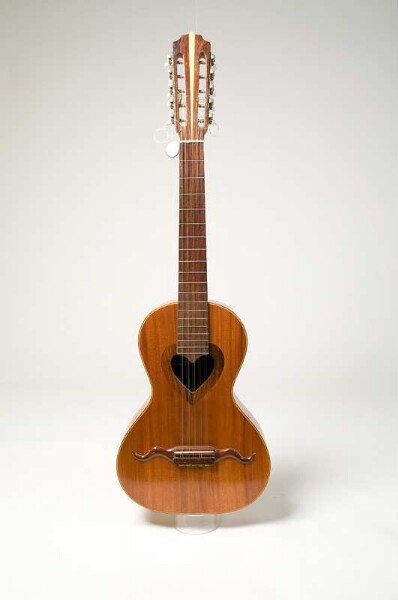
viola
Information about the language not available
Save
viola
katsch
Information about the language not available
Save
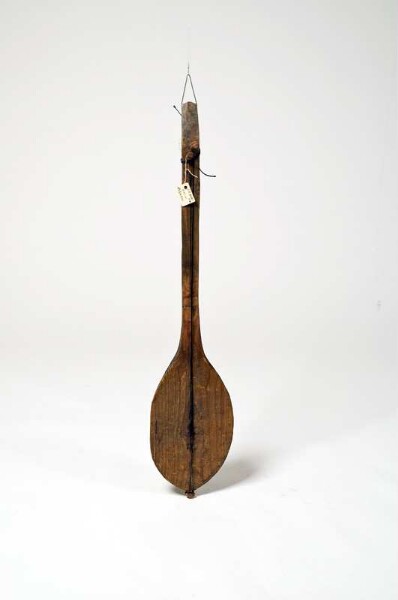
Bowl-necked lute
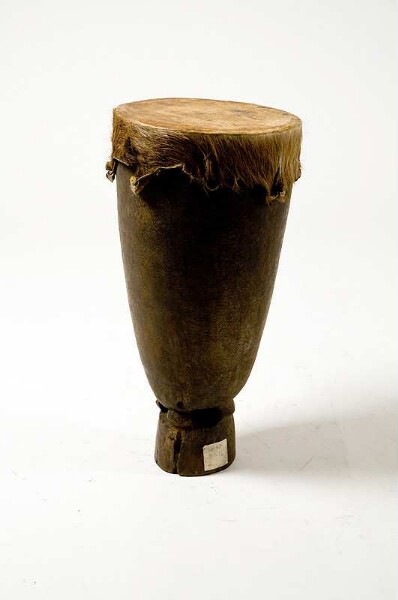
ngoma
Information about the language not available
Save
Drum
This collection item does not have a name in the language of origin. If you know the name or have comments, use this form to contact the data-providing institution.