In addition to the technically required cookies, our website also uses cookies for statistical evaluation. You can also use the website without these cookies. By clicking on "I agree" you agree that we may set cookies for analysis purposes. You can see and change your cookie settings here.
This collection item does not have a name in the language of origin. If you know the name or have comments, use this form to contact the data-providing institution.
Double vessel consisting of two small jars joined together by a flat bow handle on the upper rim and a solid clay body in the centre. The round-bottomed vessels have a short, slightly protruding neck. The object has three hollow, conical legs with rattle balls. There is a medium-sized, superimposed face on each vessel body. The pottery was smoothed, slurried and primed on both sides. The undercoat is heavily eroded. The restored object has several fractures and flaking. The monochrome vessel has a red-brown base colour. There are two opposing, anthropomorphic faces on the body. The handle has an oval, moulded support. According to Lothrop 1926: highland, red ware, type C. Cultural significance: pottery produced in the Central Highlands, on the Atlantic slope and in the Diquís region. The historical groups Curridabat ware (Hartman 1907), stone cist ware (La Cabaña Aplicado), red ware, type C (Lothrop 1926) and handled group (Holmes 1888; MacCurdy 1911) are closely related from a typological perspective. The ceramics were produced in periods VI (1550-1000d.C.) and V (1000-500d.C.). Monochrome, plastically decorated wares are known both from stone cist tombs and from household contexts. Hartman (1901: 31-33) found objects of the La Cabaña Aplicado type associated with glass beads at Las Mercedes (Atlantic Slope). Stone (1977: 167) reports ceramics of the same group (stone cist ware) from Tuis (Central Highlands), which contained a Venetian glass bead. (Künne 2004)
This collection item does not have a name in the language of origin. If you know the name or have comments, use this form to contact the data-providing institution.
Save
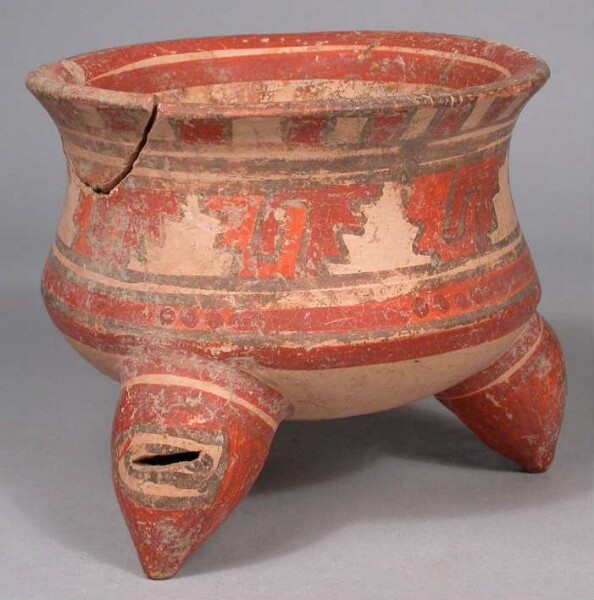
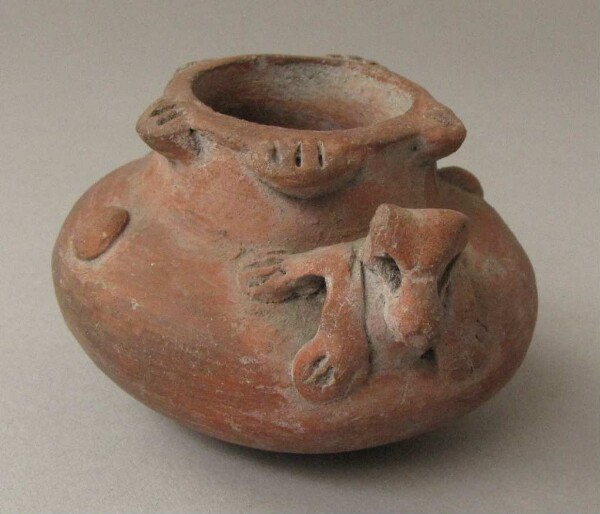
Clay vessel
This collection item does not have a name in the language of origin. If you know the name or have comments, use this form to contact the data-providing institution.
Save
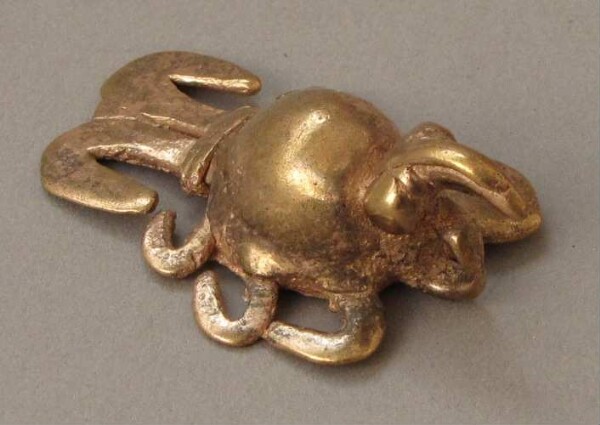
Gold pendant
This collection item does not have a name in the language of origin. If you know the name or have comments, use this form to contact the data-providing institution.
Save
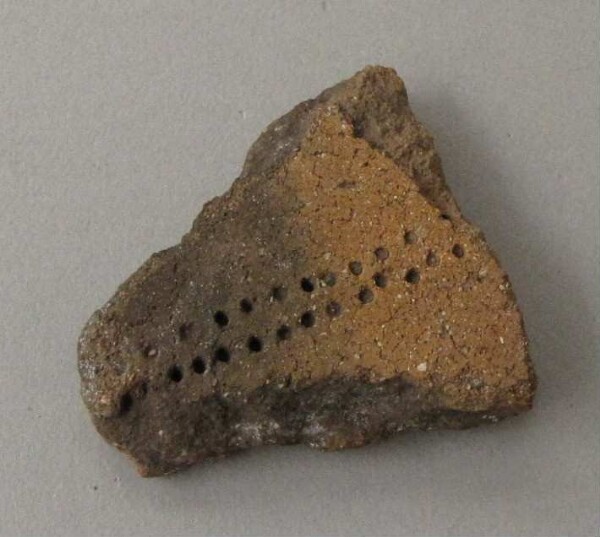
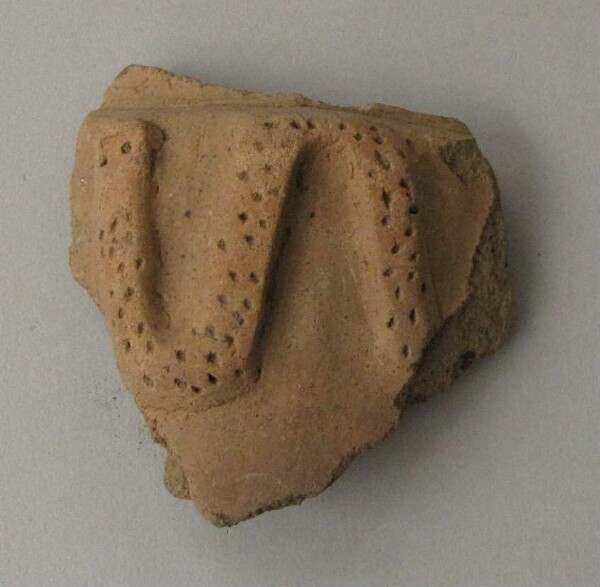
Clay shard
This collection item does not have a name in the language of origin. If you know the name or have comments, use this form to contact the data-providing institution.
Save
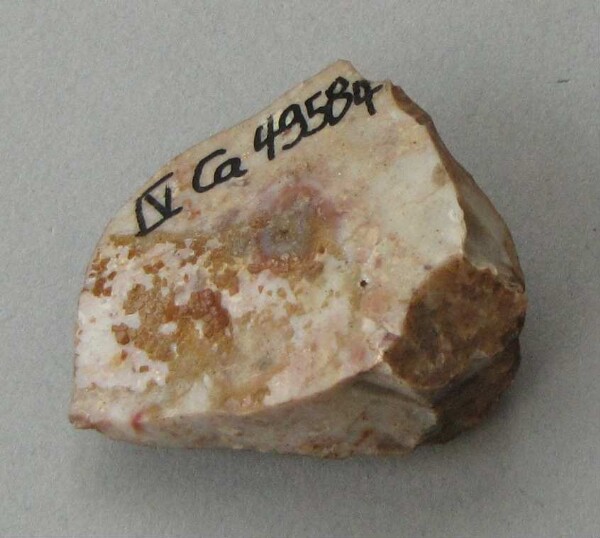
Quartz stone
This collection item does not have a name in the language of origin. If you know the name or have comments, use this form to contact the data-providing institution.
Save
Clay vessel
This collection item does not have a name in the language of origin. If you know the name or have comments, use this form to contact the data-providing institution.
Save
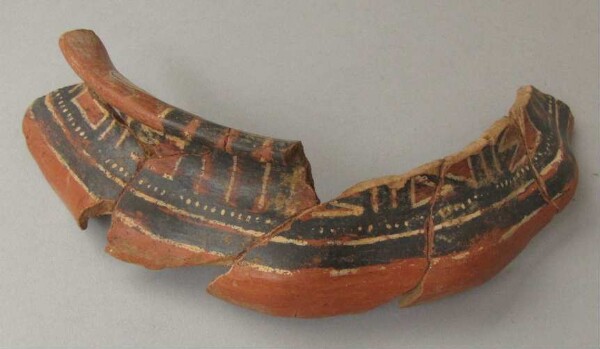
Clay shard of a vessel
This collection item does not have a name in the language of origin. If you know the name or have comments, use this form to contact the data-providing institution.
Save
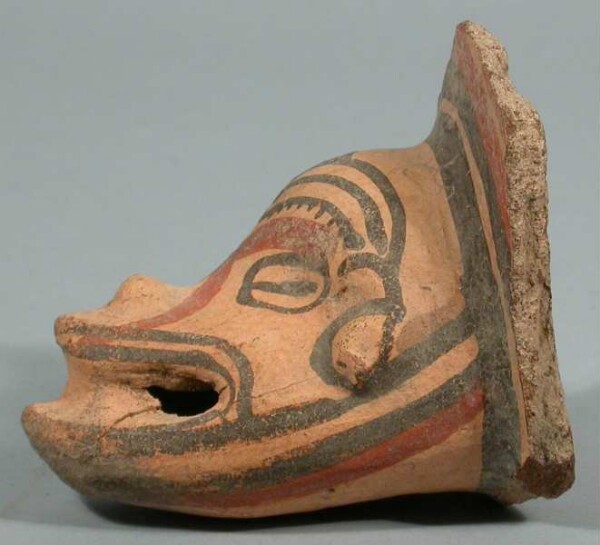
Fragment of clay vessel neck
This collection item does not have a name in the language of origin. If you know the name or have comments, use this form to contact the data-providing institution.
Save
Clay vessel base
This collection item does not have a name in the language of origin. If you know the name or have comments, use this form to contact the data-providing institution.
Save
Clay bowl
This collection item does not have a name in the language of origin. If you know the name or have comments, use this form to contact the data-providing institution.
Save
Clay vessel
This collection item does not have a name in the language of origin. If you know the name or have comments, use this form to contact the data-providing institution.