In addition to the technically required cookies, our website also uses cookies for statistical evaluation. You can also use the website without these cookies. By clicking on "I agree" you agree that we may set cookies for analysis purposes. You can see and change your cookie settings here.
This collection item does not have a name in the language of origin. If you know the name or have comments, use this form to contact the data-providing institution.
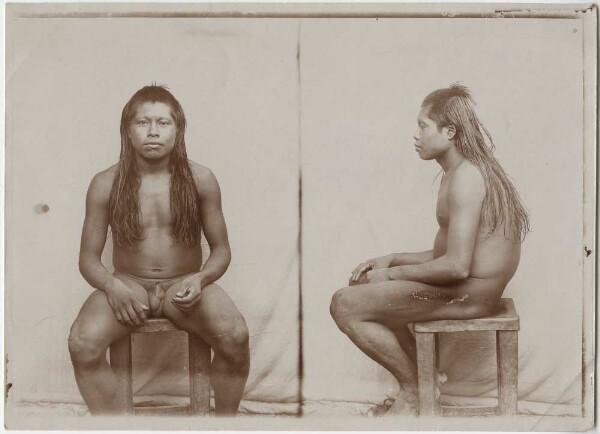
Fotos der Botokuden (Eigenbezeichnung: Krén; teilweise wurden allerdings auch Xokléng als "botocudos" bezeichnet) wurden Ende des 19./Anfang des 20. Jahrhunderts von verschiedenen Fotografen aufgenommen. Für die im Katalog der Berliner Anthropologischen Gesellschaft unter P 9087 - P 9099 notierten Fotografien, ist dort als Angabe lediglich "Botokuden" verzeichnet. Vgl. auch die Bilder von Ehrenreich, Ayres, Ferrez und Garbe. Bildlegende bei Dammann, C. (Hrsg., mit Unterstützung aus den Sammlungen der Berliner Gesellschaft für Anthropologie, Ethnologie und Urgeschichte). O.J. Anthropologisch-Ethnologisches Album in Photographien. Berlin: Wiegandt & Hempel: "No. 145. Botokude ♂" Allgemeiner Tafeltext bei Damman (s.u.): "Amerika. Tafel III. Südöstliches Amerika. Botokuden. Die Indianer Engeräckmung, Aymorés oder Botocudos, also genannt vom Botoque, einem im Ohrläppchen und in der Unterlippe getragenen Pflocke (vom leichten Holze des Bombaxbaumes), bewohnen die urwaldreichen Districte Brasiliens zwischen Rio Pardo und Rio Doçe. Noch in den ersten Decennien unseres Jahrhunderts wegen ihrer Wildheit ein Gegenstand des Schreckens für die Ansiedler, ganz nackt gehend und der Menschenfresserei beschuldigt, leben sie jetzt größtentheils schon als Indios mansos (gezähmte Indianer) in Aldêas oder Dörfern beisammen, bekleiden sich wenigstens theilweise und entäußern sich mehr und mehr des verunstaltenden Botoque. Aus ehemals unstät umherschweifenden, heidnischen Jägern, werden hier mit der Zeit christianisierte Ackerbauer und Tagelöhner. Die Typen sind von dem in Rio de Janeiro domicilierten Photographen Herrn A.R. Dietze angefertigt." Literatur: Dammann, C. (Hrsg., mit Unterstützung aus den Sammlungen der Berliner Gesellschaft für Anthropologie, Ethnologie und Urgeschichte). O.J. Anthropologisch-Ethnologisches Album in Photographien. Berlin: Wiegandt & Hempel
This collection item does not have a name in the language of origin. If you know the name or have comments, use this form to contact the data-providing institution.
Save
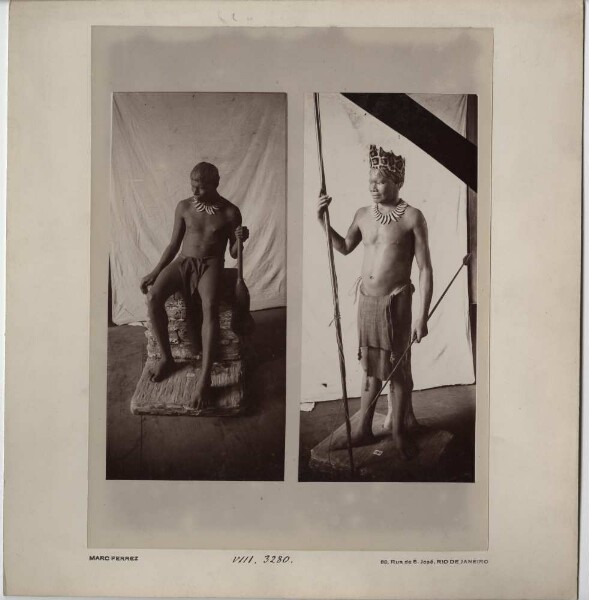
Human models for the anthropological exhibition in Rio de Janeiro in 1882
This collection item does not have a name in the language of origin. If you know the name or have comments, use this form to contact the data-providing institution.
Save
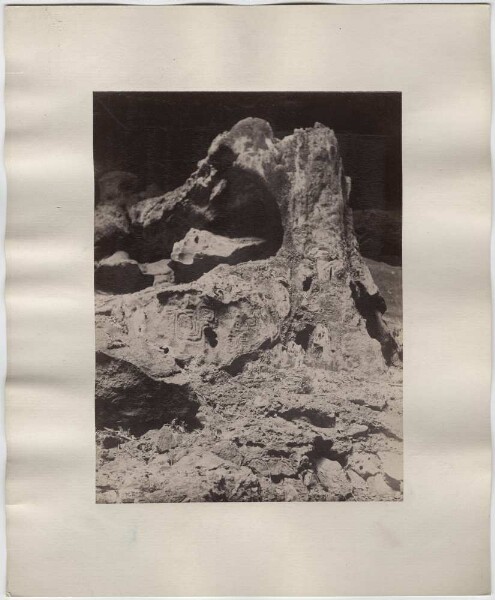
Room 3. inscription 7.
This collection item does not have a name in the language of origin. If you know the name or have comments, use this form to contact the data-providing institution.
Save
Ikoma
This collection item does not have a name in the language of origin. If you know the name or have comments, use this form to contact the data-providing institution.
Save
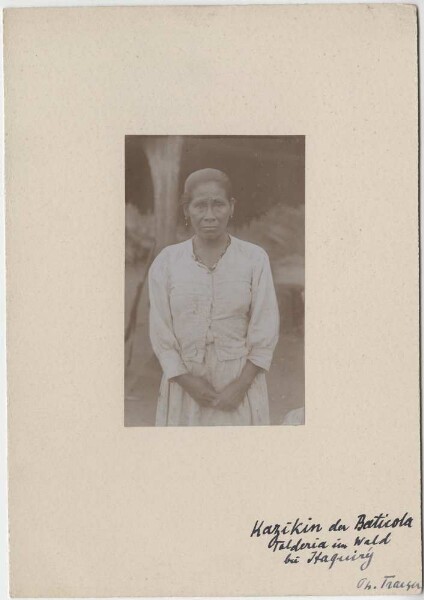
Kazikin of the Mbyá (Baticola)
This collection item does not have a name in the language of origin. If you know the name or have comments, use this form to contact the data-providing institution.
Save
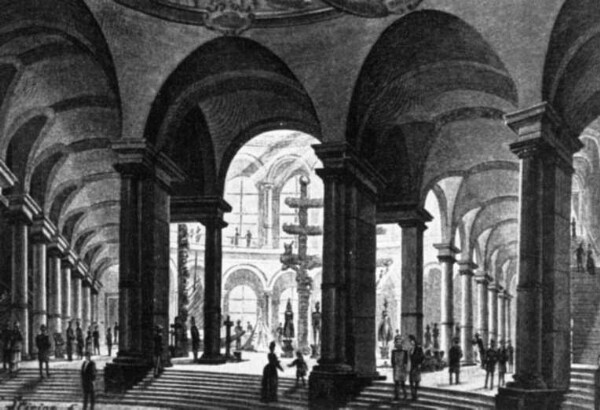
View of the atrium of the Museum of Ethnology (Königgrätzer Straße 120)
This collection item does not have a name in the language of origin. If you know the name or have comments, use this form to contact the data-providing institution.
Save
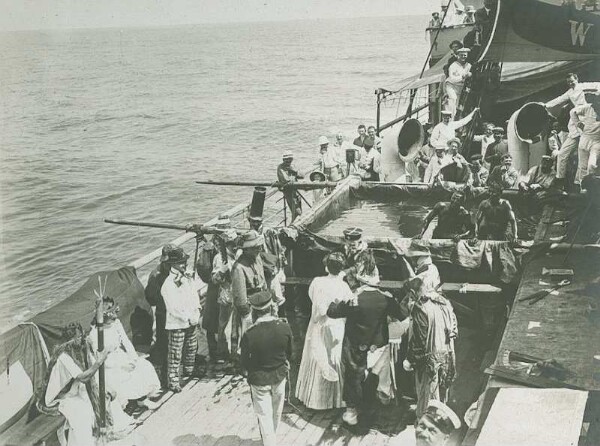
Pictures from the Aequator christening.
This collection item does not have a name in the language of origin. If you know the name or have comments, use this form to contact the data-providing institution.
Save
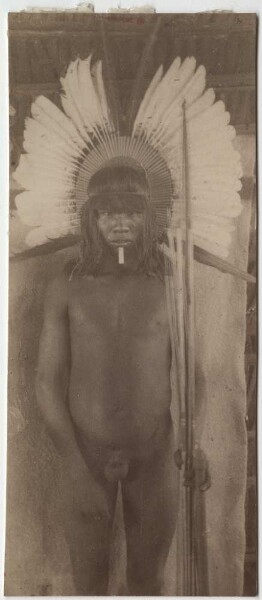
Karaja warrior
This collection item does not have a name in the language of origin. If you know the name or have comments, use this form to contact the data-providing institution.
Save
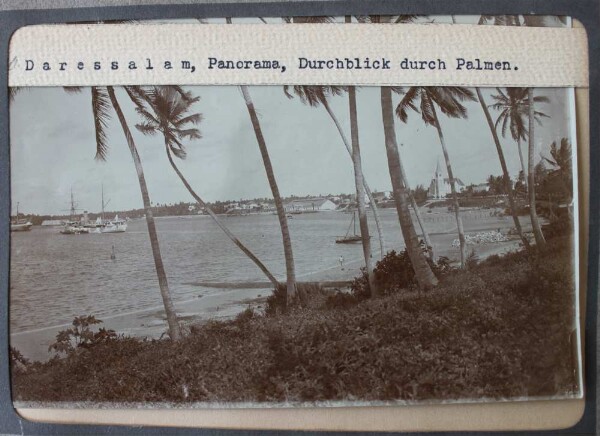
Dar es Salaam, Panorama, View through palm trees
This collection item does not have a name in the language of origin. If you know the name or have comments, use this form to contact the data-providing institution.
Save
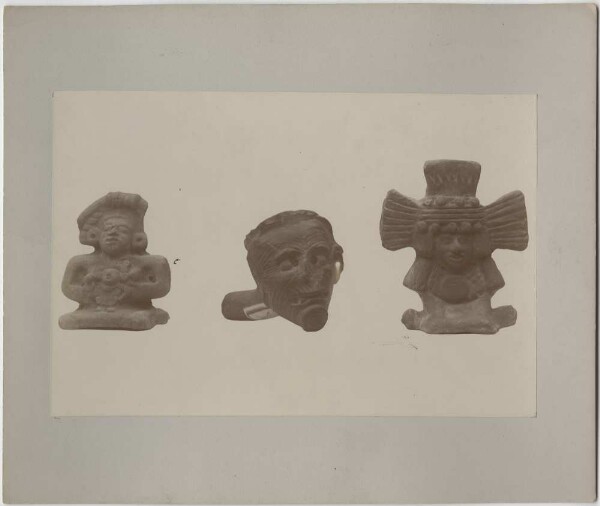
Three clay objects: left: Mother with child, centre: clay head, right: clay figure.
This collection item does not have a name in the language of origin. If you know the name or have comments, use this form to contact the data-providing institution.
Save
Typographical image of the Kayapó Dóyu(i)n
This collection item does not have a name in the language of origin. If you know the name or have comments, use this form to contact the data-providing institution.