Photographer: Larissa Arlt, JGU Mainz
Attribution 4.0 International
Full screen
Initial display
Zoom in
Zoom out
Previous image
Next image
Downloads the object
Photographer: Larissa Arlt, JGU Mainz
Attribution 4.0 International
Full screen
Initial display
Zoom in
Zoom out
Previous image
Next image
Downloads the object
Photographer: Larissa Arlt, JGU Mainz
Attribution 4.0 International
Full screen
Initial display
Zoom in
Zoom out
Previous image
Next image
Downloads the object

This collection item does not have a name in the language of origin. If you know the name or have comments, use this form to contact the data-providing institution.
Calabash for lime


The hollow pumpkin calabash was used to store lime (which is necessary for eating betel nuts). It can be filled through a hole in the top, which is closed by a wooden stick.
This content was machine-translated
- Data Provider
- Sammlungen der Johannes Gutenberg-Universität Mainz
Cataloguing data
- Object type
- Kalebasse
- Dimensions
- Pumpkin: 27 cm long diameter approx. 6 cm; stick: L 25.5 cm diameter approx. 0.7 cm
- Material/Technique
-
gourds (plant components), wood (plant material)
carved
- Object genre
- vessel
- Current location
- Sammlungen der Johannes Gutenberg-Universität Mainz
- Inventory number
- JGU ES 2171
- Other number(s)
-
Linden-Museum: 103048 (Old inventory number)
2171 (Old inventory number)
Provenance and sources
-
Assignment to a curated holding:
-
Production
-
when
-
before 1917
-
where
-
Papua-NeuguineaNeuguineaMelanesienOzeanienPazifik
-
-
Change of physical control:
Not clarified-
when
-
before 1917
-
where
-
Papua-NeuguineaNeuguineaMelanesienOzeanienPazifik
-
who
-
Kolonialmuseum Berlin - Owners
-
-
Change of physical control:
Purchase-
when
-
1917
-
where
-
StuttgartBaden-WürttembergDeutschland
-
Description
-
Parts of the Berlin Colonial Museum's holdings (totalling 3,342 objects) were sold to the Linden Museum in Stuttgart in 1917 after the museum was closed.
-
-
Change of physical control:
Exchange-
when
-
15.12.1971
-
where
-
StuttgartBaden-WürttembergDeutschland
-
Description
-
Came to Mainz "together with 636 other objects in exchange for 732 objects from Pakistan and Afghanistan" (Brandstetter, Hierholzer 2018).
-
Information about the record
- Legal status metadata
- CC0 1.0 DEED
Related objects
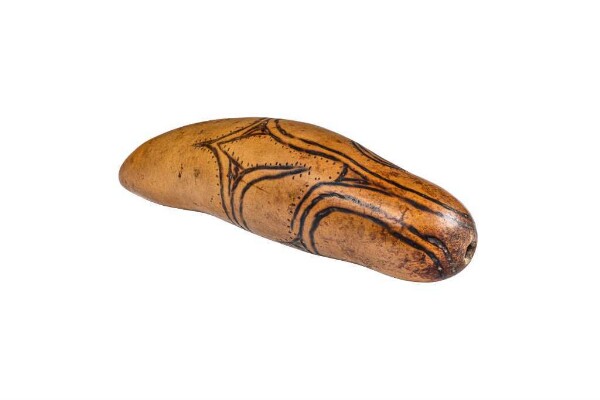
This collection item does not have a name in the language of origin. If you know the name or have comments, use this form to contact the data-providing institution.
Save
Lime calabash
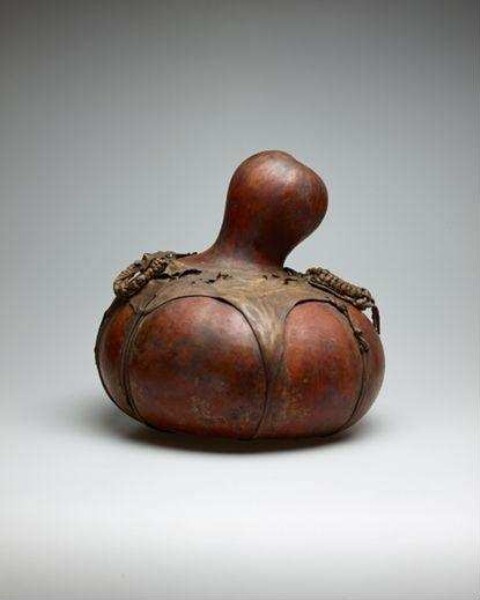
This collection item does not have a name in the language of origin. If you know the name or have comments, use this form to contact the data-providing institution.
Save
Bottle for Milk and Sour Milk (Omaere)
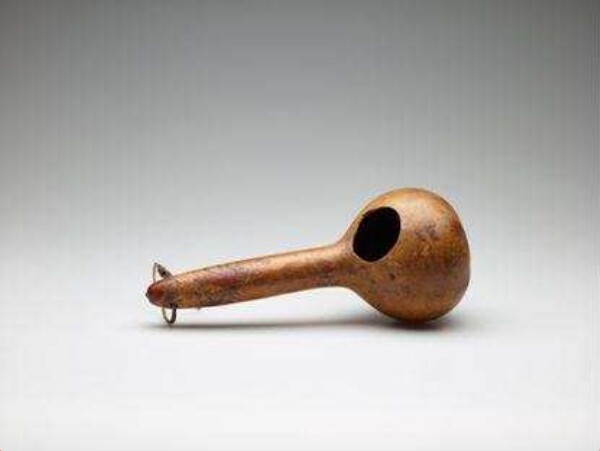
This collection item does not have a name in the language of origin. If you know the name or have comments, use this form to contact the data-providing institution.
Save
Serving Ladle
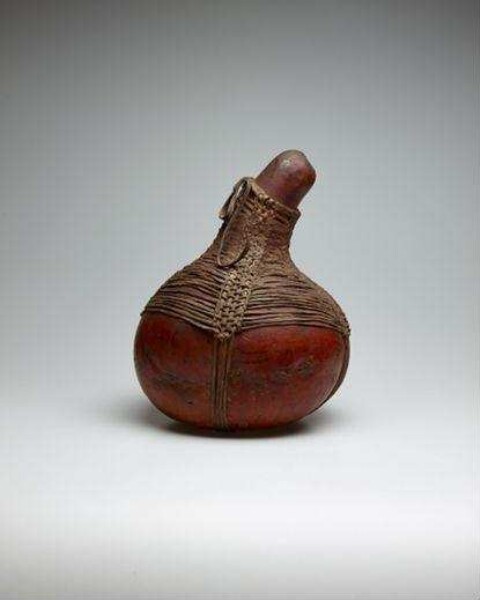
This collection item does not have a name in the language of origin. If you know the name or have comments, use this form to contact the data-providing institution.
Save
Bottle for Milk and Sour Milk (Omaere)
This collection item does not have a name in the language of origin. If you know the name or have comments, use this form to contact the data-providing institution.
Save
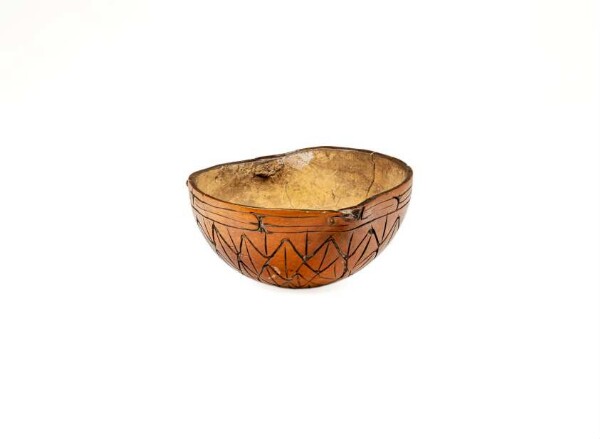
Calabash
This collection item does not have a name in the language of origin. If you know the name or have comments, use this form to contact the data-providing institution.
Save
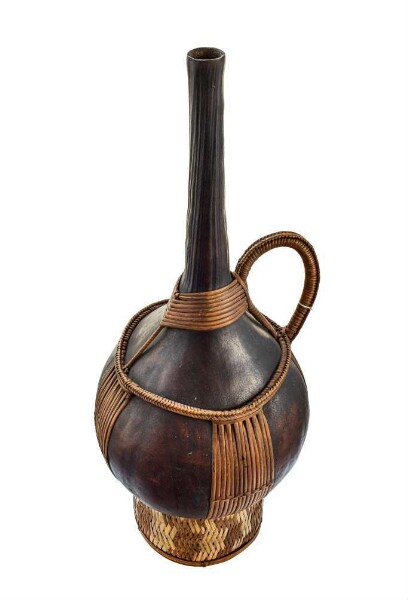
Palm wine calabash
This collection item does not have a name in the language of origin. If you know the name or have comments, use this form to contact the data-providing institution.
Save
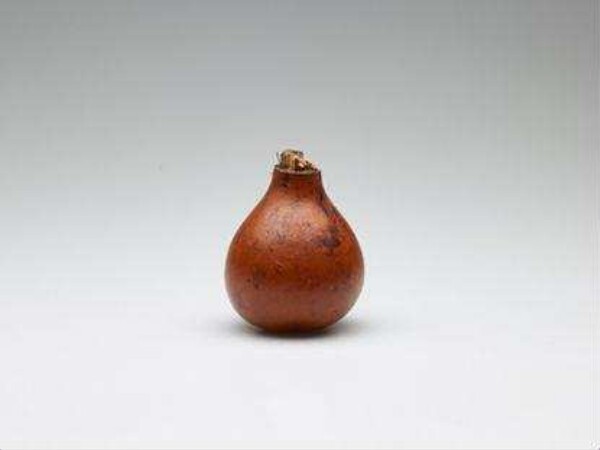
Perfume Bottle
This collection item does not have a name in the language of origin. If you know the name or have comments, use this form to contact the data-providing institution.
Save
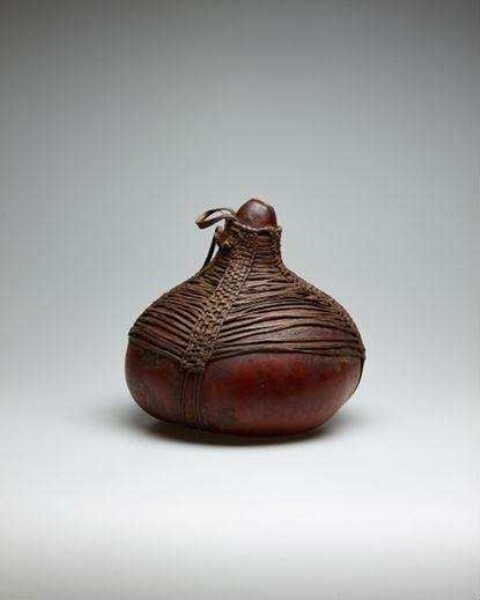
Bottle for Milk and Sour Milk (Omaere)

This collection item does not have a name in the language of origin. If you know the name or have comments, use this form to contact the data-providing institution.
Save
Calabash

This collection item does not have a name in the language of origin. If you know the name or have comments, use this form to contact the data-providing institution.
Save
Calabash
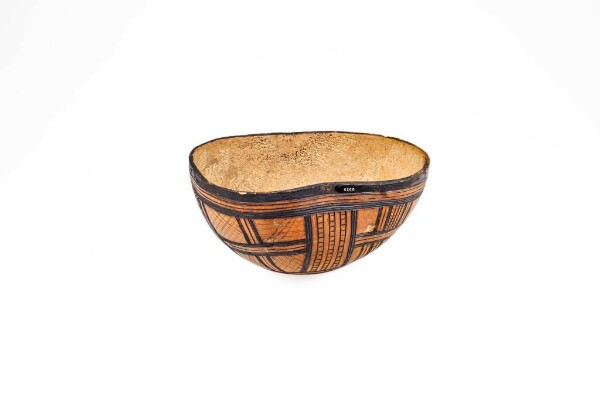
This collection item does not have a name in the language of origin. If you know the name or have comments, use this form to contact the data-providing institution.
Save
Calabash
This content was machine-translated