In addition to the technically required cookies, our website also uses cookies for statistical evaluation. You can also use the website without these cookies. By clicking on "I agree" you agree that we may set cookies for analysis purposes. You can see and change your cookie settings here.
This collection item does not have a name in the language of origin. If you know the name or have comments, use this form to contact the data-providing institution.
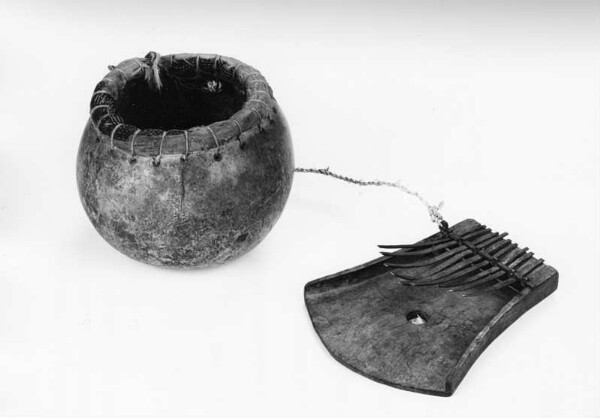
Historischer Kauptkatalog: Musikinstrument zum zum Klimpern. Das von Paul Pogge um 1877 im Musumba-Gebiet im Reich Lunda gesammelte Lamellophon ist eines der historisch wertvollsten in der Sammlung. Es gehört zum sogenannten „Glockentypus" in der Klassifikation von Hugh Tracey, denn der Resonator ist von der dem Musiker beim Spiel zuweisenden Schmalseite her ausgehöhlt. Typisch verlaufen an der Mündung der Glocke zwei Eisenstangen, auf denen Rasselringe befestigt sind. Im Innern der Resonanzhöhle befindet sich außerdem noch ein „Gefangener", ein Fruchtkern, der hin- und herrollt, aber wegen der Sperre an der Mündung nicht herauskann und gleichfalls „singt", also ein sympathisches Geräusch beim Spiel des Instruments von sich gibt. Charakteristisch ist das Korpus in seiner Gestalt. Es ist sehr langgestreckt und hat sich verjüngende Seiten: Auch die Form erinnert eigentlich in gewissem Sinne an manche Einfachglocken. Der Steg ist aus Eisen, sehr massiv und in das Holz hineinversenkt, wobei seine gebogene, wie an einem Staudamm erinnernde Form Stabilität verbürgt. Das Auflieghölzchen hat etwa Dreieckgestalt. Die Lamellen sind vorzüglich gehämmert, aus gutem Stahl und sehr lang, sie sind an ihren vom Spieler wegweisenden Enden aufgebogen. Die Spiel-Enden zeigen spateiförmige Gestaltung, bei einer typischen Mittelrippe (Mittelnerv), wie es aus dem Lunda/Cokwe-Kulturraum bekannt ist. Wie die Stimmanordnung der Lamellen, der „layout" einmal war, läßt sich leider nicht mehr genau ermitteln. Aber er scheint nicht V-förmig sondern sehr komplex in mehreren Abschnitten gewesen zu sein, die Tonalitätsgruppen bildeten. In vielen Merkmalen, der Form, der Resonanzeinrichtungen, etc. hat dieses Instrument eine entfernte Verwandschaft mit der sogenannten mucapata bei den -Cokwe. Das sollte man vormerken, wenn man die Geschichte der mucapata rekonstruieren will, auch angesichts der historischen Herkunft der -Cokwe aus dem Lunda-Reich. Und ebenso sind alte historische Beziehungen zum Zimbabwe/Zambezi-Formenkreis unübersehbar. Gerhard Kubik: Kalimba, Nsansi, Mbira - Lamellophone in Afrika: Veröffentlichungen des Museums für Völkerkunde Berlin (SMB), 1998 - Neue Folge 68 - Musikethnologie X, S. 217-218 (Abb. 158)
This collection item does not have a name in the language of origin. If you know the name or have comments, use this form to contact the data-providing institution.
Save
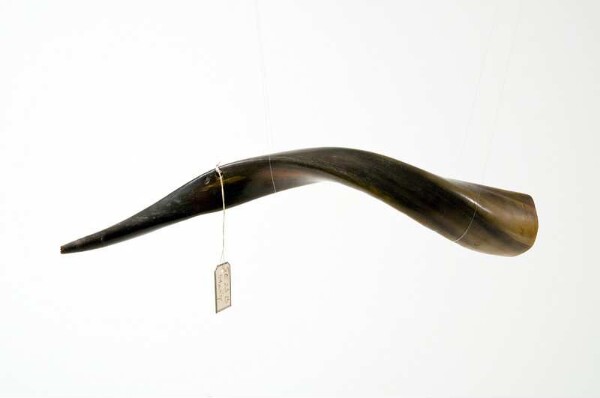
Blowing horn
Image not available
cheng
Information about the language not available
Save
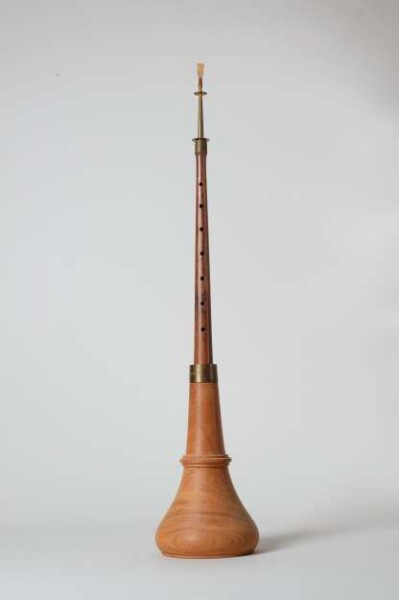
cheng
This collection item does not have a name in the language of origin. If you know the name or have comments, use this form to contact the data-providing institution.
Save
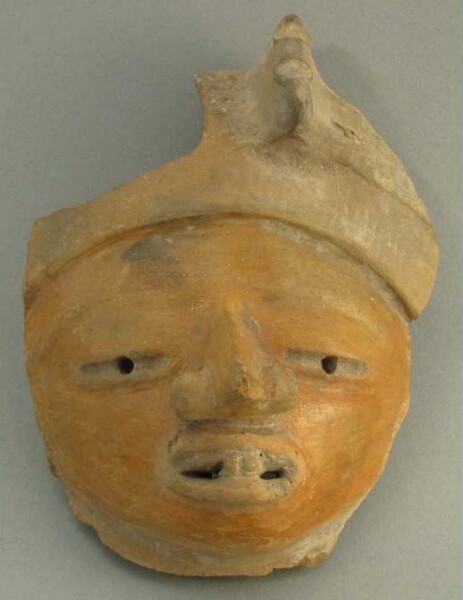
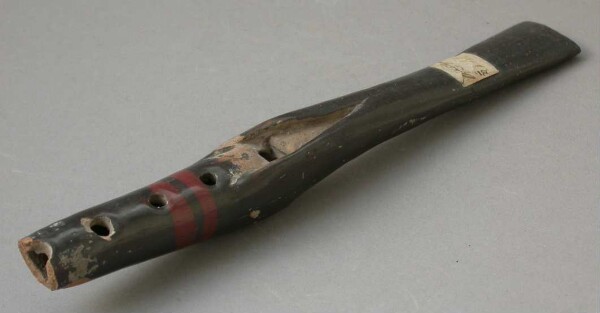
Fragment of a clay pipe
This collection item does not have a name in the language of origin. If you know the name or have comments, use this form to contact the data-providing institution.
Save
single flute without finger holes
This collection item does not have a name in the language of origin. If you know the name or have comments, use this form to contact the data-providing institution.
Save
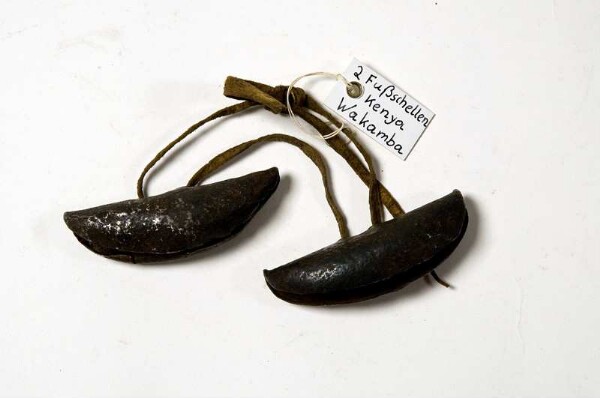
Vessel rattles
This collection item does not have a name in the language of origin. If you know the name or have comments, use this form to contact the data-providing institution.
Save
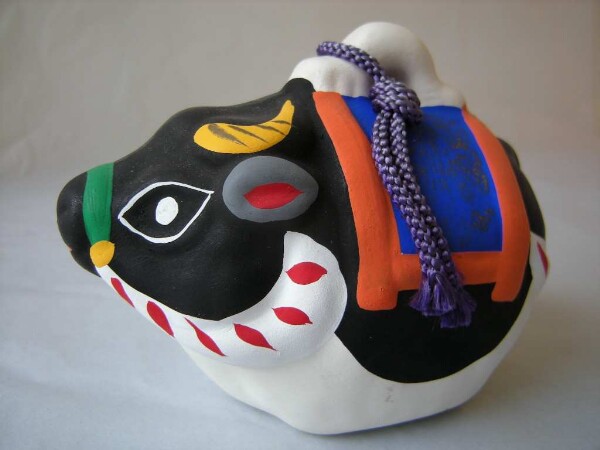
Beef
This collection item does not have a name in the language of origin. If you know the name or have comments, use this form to contact the data-providing institution.
Save
Clay flute (fragment)
rebab
Information about the language not available
Save
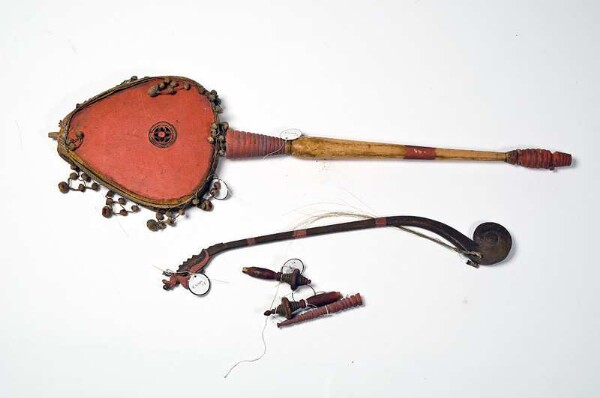
rebab
This collection item does not have a name in the language of origin. If you know the name or have comments, use this form to contact the data-providing institution.