Rights management: Linden-Museum Stuttgart
Attribution - NonCommercial - NoDerivs 4.0 International
Full screen
Initial display
Zoom in
Zoom out
Previous image
Next image
Downloads the object

This collection item does not have a name in the language of origin. If you know the name or have comments, use this form to contact the data-providing institution.
Vessel in the shape of a warrior


The warrior wears a club head as headgear. On his chest a severed human leg and a severed head can be seen. Human sacrifices were offered to ask for rain and fertility. The victims were often noble warriors who competed against each other in ritual duels. Representations of such sacrificial rituals are found in one of the precursor cultures of the Huari on the coast, the Moche. They depicted such sacrificial rituals on their painted ceramics. The archaeological evidence for this was found at one of the main archaeological sites of the Moche culture, the moon pyramid, Huaca de la Luna, near today's Peruvian city of Trujillo. However, in other cultures, Nazca for example, captives of the war opponent seem to have been sacrificed.
- Data Provider
- Linden-Museum Stuttgart Staatliches Museum für Völkerkunde Show original at data provider
Cataloguing data
- Cultural attribution
- Viñaque-Stil
- Object type
- Gefäß
- Dimensions
-
Height: 15 cm
Width: 13 cm
Depth: 8 cm - Material/Technique
-
Sound
moulded in model, Engobe
- Current location
- Linden-Museum Stuttgart
- Inventory number
- 119016
Provenance and sources
-
Assignment to a curated holding:
-
Production
-
when
-
7th - 11th century AD.
-
-
Change of physical control or legal title
-
where
-
Peru
-
-
Change of physical control
-
when
-
1954
-
- Provenance
-
There is no confirmed provenance for this object. It comes from the Sutorius collection and was found in Pachacamac according to the collector.
Information about the record
- Legal status metadata
- CC BY-NC-ND 4.0 DEED
Related objects

This collection item does not have a name in the language of origin. If you know the name or have comments, use this form to contact the data-providing institution.
Save
Vessel

This collection item does not have a name in the language of origin. If you know the name or have comments, use this form to contact the data-providing institution.
Save
Vessel
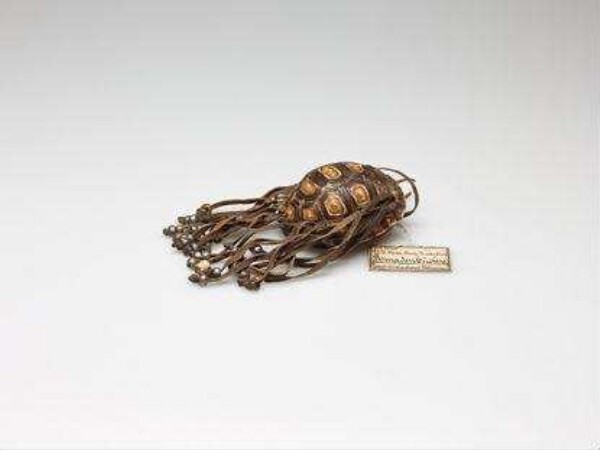
This collection item does not have a name in the language of origin. If you know the name or have comments, use this form to contact the data-providing institution.
Save
Container for Cosmetic Powder

This collection item does not have a name in the language of origin. If you know the name or have comments, use this form to contact the data-providing institution.
Save
Vessel

This collection item does not have a name in the language of origin. If you know the name or have comments, use this form to contact the data-providing institution.
Save
Vessel

This collection item does not have a name in the language of origin. If you know the name or have comments, use this form to contact the data-providing institution.
Save
Vessel

This collection item does not have a name in the language of origin. If you know the name or have comments, use this form to contact the data-providing institution.
Save
Vessel
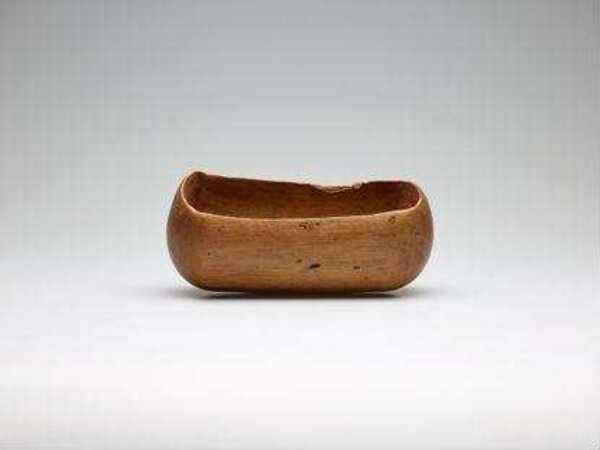
This collection item does not have a name in the language of origin. If you know the name or have comments, use this form to contact the data-providing institution.
Save
Container
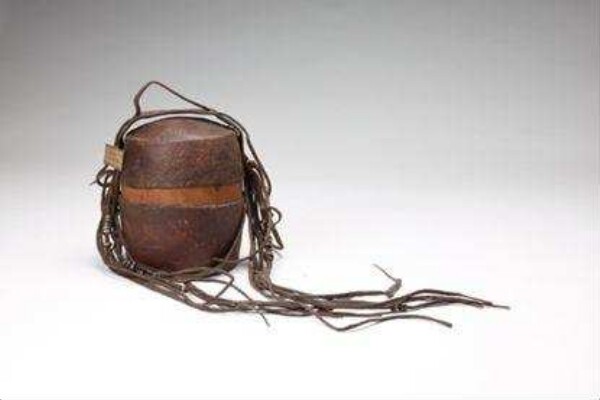
This collection item does not have a name in the language of origin. If you know the name or have comments, use this form to contact the data-providing institution.
Save
Container for Body and Hair Cosmetic Butter
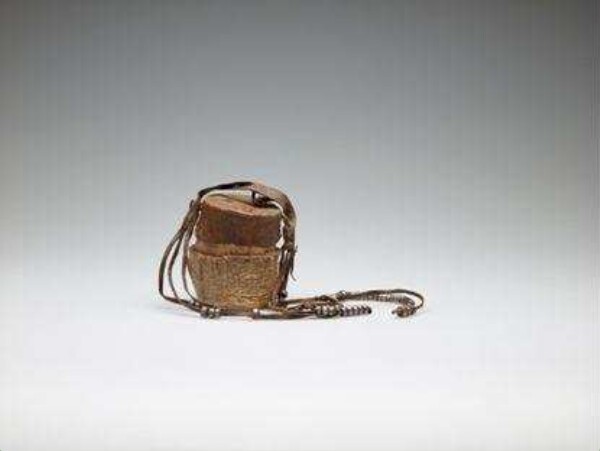
This collection item does not have a name in the language of origin. If you know the name or have comments, use this form to contact the data-providing institution.
Save
Container for Body and Hair Cosmetic Butter

Kjansi

Information about the language not available
Save
Vessel
This content was machine-translated