In addition to the technically required cookies, our website also uses cookies for statistical evaluation. You can also use the website without these cookies. By clicking on "I agree" you agree that we may set cookies for analysis purposes. You can see and change your cookie settings here.
The body is a cut coconut shell covered with a glued-on fish skin membrane and perforated several times. The strings are supported by a round timber with a turned wooden foot attached to the thin spike extension underneath the shell. A recessed pegbox with two flank pegs running through it from the right and left. Two strings made of twisted nylon material. Two string guide notches in the slightly raised edge of the pegbox. An almost cylindrical wooden bridge. The lower strings are attached to the spike between the resonator and the wooden attachment. A bow is missing. The peg, spit attachment and neck tip are decoratively turned. from Ulrich Wegner: Afrikanische Saiteninstrumente, Staatliche Museen Berlin - SPK, 1984 (Appendix Object Catalogue)
This collection item does not have a name in the language of origin. If you know the name or have comments, use this form to contact the data-providing institution.
Save
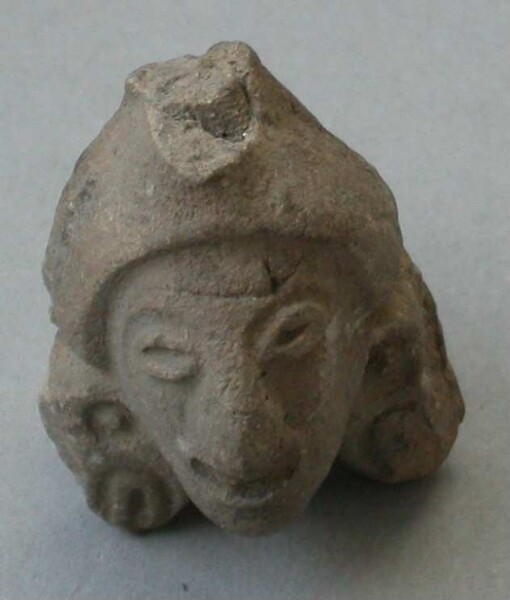
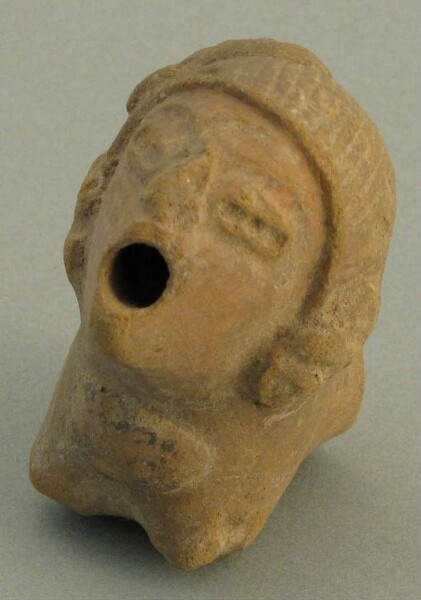
Fragment of a clay rattle (clay head)
molo
Information about the language not available
Save
molo
This collection item does not have a name in the language of origin. If you know the name or have comments, use this form to contact the data-providing institution.
Save
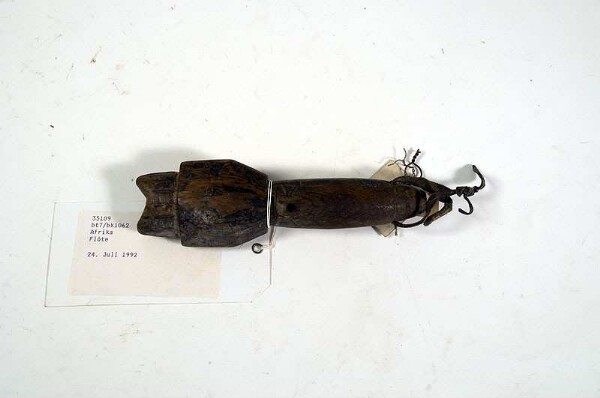
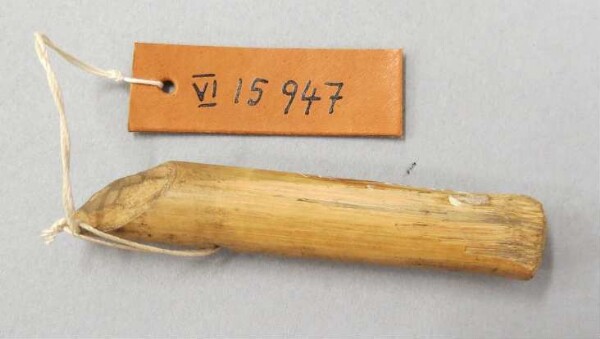
Dance whistle (signal whistle)
This collection item does not have a name in the language of origin. If you know the name or have comments, use this form to contact the data-providing institution.
Save
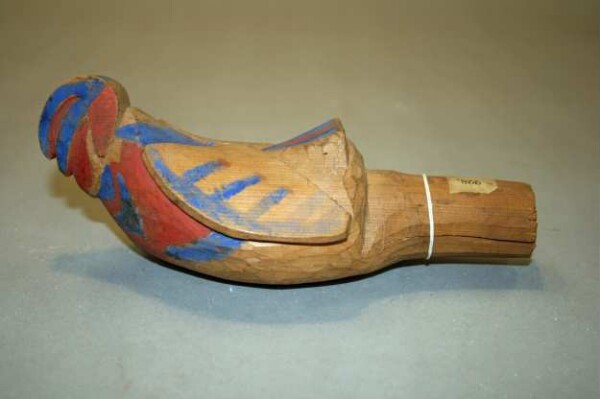
Illustration: Bird
suli (ira)
Information about the language not available
Save
suli (ira)
This collection item does not have a name in the language of origin. If you know the name or have comments, use this form to contact the data-providing institution.
Save
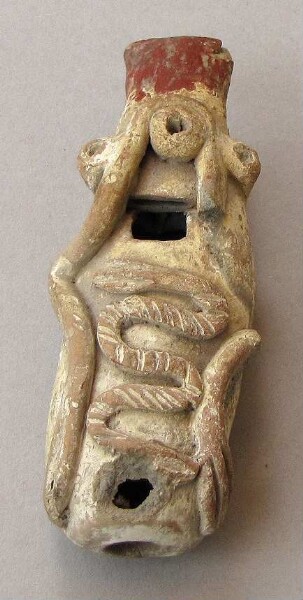
Clay whistle
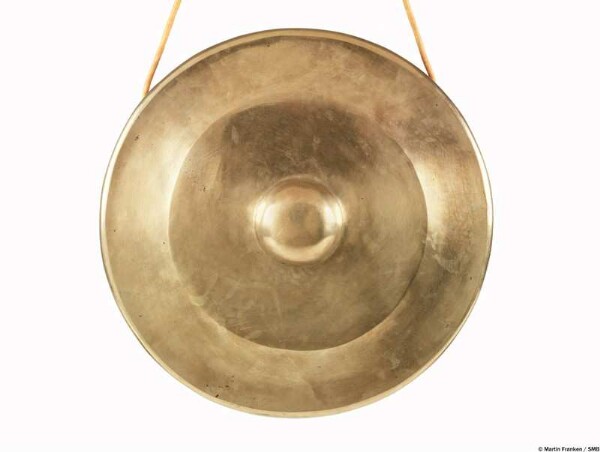
suwukan slendro (Gamelan)
Information about the language not available
Save
suwukan slendro (gamelan)
This collection item does not have a name in the language of origin. If you know the name or have comments, use this form to contact the data-providing institution.
Save
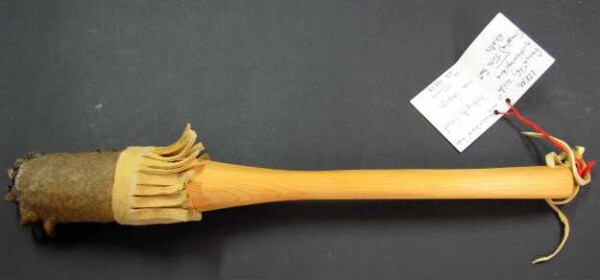
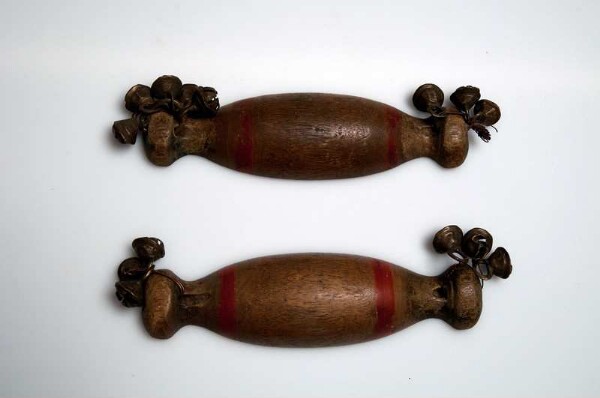
Rattle
This collection item does not have a name in the language of origin. If you know the name or have comments, use this form to contact the data-providing institution.
Save
ki
Krang (Krans)
Information about the language not available
Save
krans (krang)
This collection item does not have a name in the language of origin. If you know the name or have comments, use this form to contact the data-providing institution.